
Journal—
Musings & Observations
I’ve written for The Atlantic, Huffington Post, Forbes, Warwick and my mom.
You can also see the Magazine view.

Why I Loved Paris
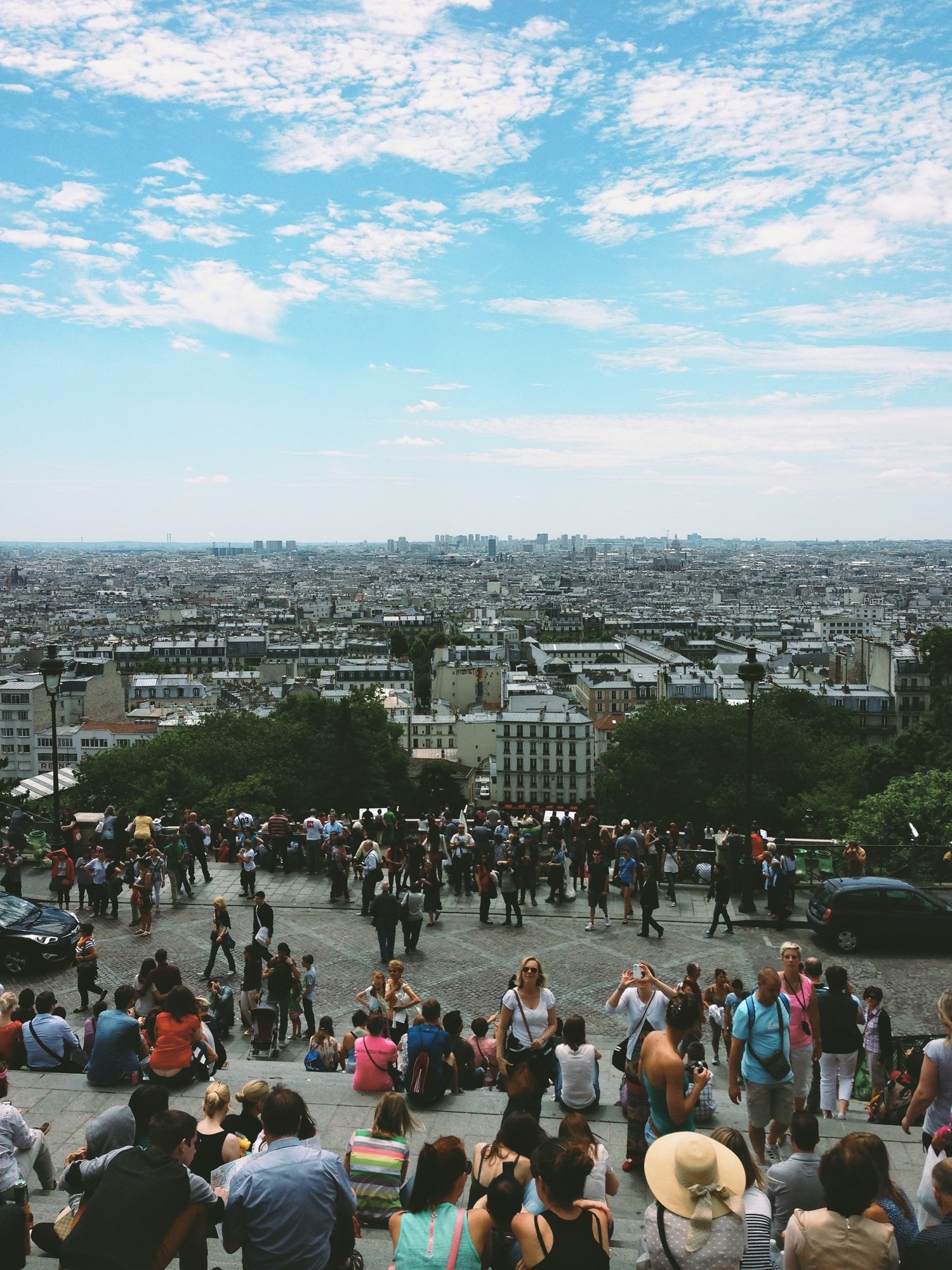
It's a curious thing, when you revisit a city for the second or third time. You somehow imagine that it'll be just the same. That nothing will have changed. It'll have the same shortcuts and smells, the same cafes and (to be sure) the flowers will be in bloom. Yet, somehow, everything is always different. Even the people.
We've just returned from a few days in Paris. It'd been at least half a decade since we last strolled the streets. On the surface of things, and as our memory serves, everything seemed just like it was before. As we looked closer, however, everything felt just a little bit mismatched. Maybe it was us, trying to escape from our busy lives, half-way committed to a hurried vacation, running around to see this or that. Or, maybe it was something else, perhaps a muted or displaced recollection. At least the Eiffel tower was just where we'd always known it to be.
Nevertheless, this time, something felt different about Paris. It wasn't just nostalgia. Which is to say, it's not that Paris isn't a constant source of inspiration, but rather that it felt like it had lost just a bit of it's glowing enthusiasm. And then we read, only today, that when Orson Welles was prompted to write an article for Vogue on his love for the city, he couldn't think of anything particular to say. The article, he quipped, should be entitled, "Why I Loved Paris". Welles goes on to explain:
"When I could walk on the sidewalk in Paris, I loved it, but now I have to climb over automobiles. Soon there won't be any real Paris left, you know. Or real London or real Rome. Because a few untouchable monuments are not gonna keep a city…I think all the cities of the world are in decline. Because the idea of supporting cities has ceased to be part of world culture. We're all moving into shopping malls…Maybe I'm just reactionary", confides Welles. "If I am, it doesn't bother me much, though. I'm perfectly content to be reactionary - to belong to my own time."
This question of the real. It haunts us still. You see, Paris is such an enchanted city. It's full of so many dreams and memories. You can't help but feel a sense of purpose and pride, a sense of excitement and despair. You're not quite sure if you're living a moment, or reliving a memory. In many respects, it feels as if you are a part of something that's just about to happen, or something that happened centuries ago. It can be very disorienting.
As we strolled down the St. Germain-des-Pres, squinting just so, we could almost see Hemingway sitting at the Brassier Lipp, enjoying a strong dry martini. Like any "good tourist", we picked up the latest edition of the Moveable Feast at Shakespeare and Co - which is, in one way or another, not quite the same since George Whitman passed away. Needless to say, the same observation was probably made when Sylvia Beach moved to the rue de l'Odeon.
We read in the introduction to the new edition of the Moveable Feast, in a lovely piece written by his grandson:
"In November 1956, the management of the Ritz Hotel in Paris convinced Ernest Hemingway to repossess two small steamer trunks that he had stored there in March 1928. The trunks contained forgotten remnants from his first years in Paris: pages of typed fiction, notebooks of material relating to The Sun Also Rises, books, newspaper clippings, and old clothes. To bring this precious cargo home […] Ernest and his wife Mary purchased a large Louis Vuitton steamer trunk. I recall as a child seeing that trunk in my godmother Mary’s apartment in New York, and I can still remember its smart leather trim with brass fittings, pervasive Louis Vuitton logo and the gold embossed initials, “EH.” The trunk itself was easily big enough for me to fit into, and it filled me with wonder at the grand, adventurous life my grandfather led."
It's such a strange thing, revisiting a city, reliving a memory. To imagine, and to truly believe that nothing will change, that the city you knew and loved so well, will somehow stay transfixed, that your heroes will still be walking around. Well, in a way, they are....
The Obligation to Write
There are so many wonderful books that inspire us to become better writers. To be sure, we all have our favorites.
Maybe it's a few lines in Italo Calvino's wonderful Six Memos for the Next Millennium; or the specificity and enchantment to be found in the sparingly beautiful paragraphs of Natalie Goldberg's Writing Down the Bones; or, further still, the magical, and at times, ineluctable stories to be discovered in the letters and conversations of Max Perkins.
One of the best, perhaps, is Bird by Bird: Some Instructions on Writing and Life, by Anne Lamott. It's so light and playful. Yet, at the same time, it's also cautious and reserved, as it methodically explores the dark and serious depths of emotion, with such adroitness and humanness. Slowly, if not daftly, it builds up our confidence to trust in the momentum it takes to meet our obligations to write. Nevertheless, for all its wizardry, and guiding light, I've remained on the look out, with an almost insatiable desire, for further furloughs into the recesses of writing. Not just how we write, but why we write.
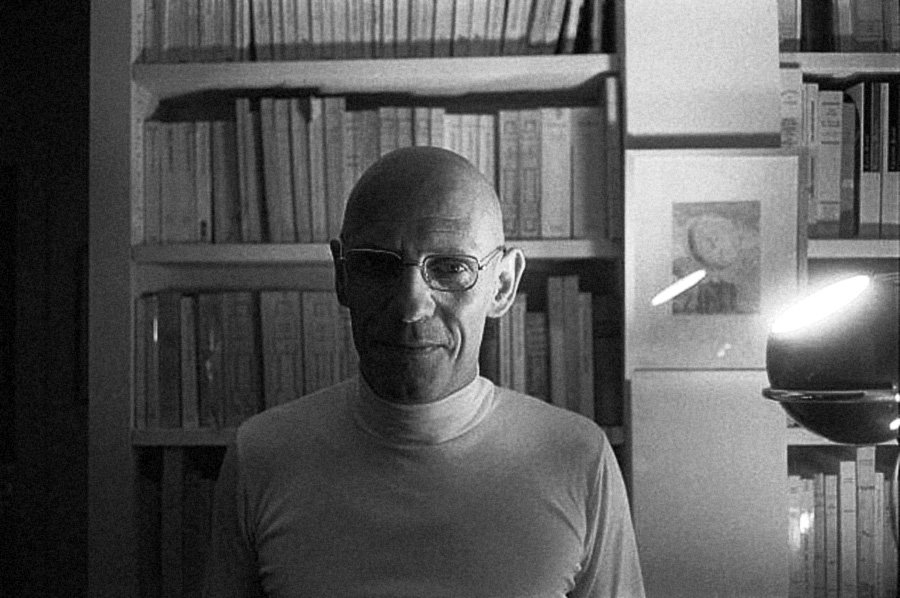
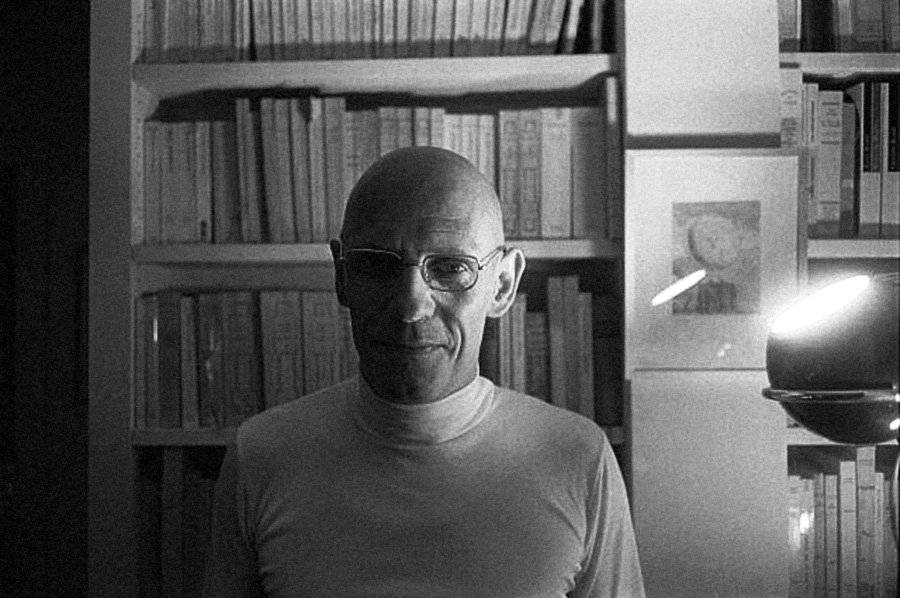
I think I found it, if but for a moment, in the interviews of Michel Foucault. In particular, in the conversations with Claude Bonnefoy, ironically translated into a text, Speech Begins After Death.
As aspiring writers, we're constantly inquiring into various methods, techniques, and styles. Why did Hemingway stand to write? Is writing in the morning, as Nietzsche confesses, the most efficacious and timely? Or, as Cioran shared, does the night, coupled with seemingly endless existential bicycle rides around a lantern-lit city, induce proficiency and thought?
In a more complex tone, we query: What is it about travel that evokes the sensation to write? Why does a journey, if it does at all, elicit a certain style or mannerism of thinking? If a line of thought is exposed, whereas it might have otherwise remained unprompted, disguised amongst our daily, habitual live - how do we solicit such encounters?
Anything to help us write more effectively, and, for most of us, more efficiently. We're eager to learn, for example, how our heroes took up this noble, and at times, inauspicious task. (I dare not say profession, at least not as an author, lest we forget Roland Barthes.) However, there also needs to be a frame of reference for "why we write", or from whence the impetus is initiated. Michel Foucault points the way.
Foucault was a great diagnostician, perhaps this is precisely where his lucid, lilted, languid prose arose - from the art and science, or the life-practice, of diagnosing, i.e.: trying to elucidate that which remains hidden. Not the desire to adorn language, but to reach the truth of that which must be said.
Here's Foucault, offering a clinical, if not philosophical, approach to drawing the contours of what a definition of writing might encompass, or rather, put into motion:
"Writing consists essentially of doing something that allows me to discover something I hadn't initially seen."
Less phenomenologically, he goes on to articulate, "When I begin to write an essay or a book, or anything, I don't really know where it's going to lead or where it'll end up or what I'm going to show. I only discover what I have to show in the actual movement of writing, as if writing specifically meant diagnosing what I had wanted to say at the very moment I begin to write." (46)
Unlike physicians, who, as Foucault explains, normally reduce language to silence, Foucault instead, attempts to identify and examine a problematic within a certain lineage of history or philosophy - through writing. In this sense, then, the pen becomes the scalpel: an instrument of exploration, no less than excision.
As Foucault states, "The physician listens, but does so to cut through the speech of the other and reach the silent truth of the body." (35) The physician speaks, therefore, only to offer a diagnosis and subsequent therapy, but language itself is restricted, bound to orders and instructions. "The surgeon discovers the lesion in the sleeping body, opens the body and sews it back up again, he operates; all this is done in silence, the absolute reduction of words." The physician, therefore, uncovers the truth of what the body speaks.
In contrast, the writer uses language to diagnose, then create or foster a type of therapeutics, personalized to the individual needs of a particular situation. Which is to say, the "activity of language", or the very act of writing itself, is precipitated, not from having "something in mind" to say, but rather, from the necessity, or obligation to write.
"When it is no longer possible to speak, we discover the secret, difficult, somewhat dangerous charm of writing." It is precisely here, on this point, that we can see Foucault's extraordinary affinity with Nietzsche, whom he describes as a great diagnostician, exerting a kind of radical, "violent therapy for the diseases of culture".
As a challenge to ourselves, or perhaps to the history of philosophy, Foucault inquires into the nature of writing, trying to examine from where the compulsion to write germinates, what it means, and in relation to what necessity it is brought on.
"One thing I feel certain of is that there's a tremendous obligation to write." As he explains,
"This obligation to write, I don't really know where it comes from. As long as we haven't started writing, it seems to be the most gratuitous, the most improbably thing, almost the most impossible, and one to which, in any case, we'll never feel bound. Then, at some point - is it the first page, the thousandth, the middle of the first book, or later? I have no idea - we realize that we're absolutely obligated to write."
There are at least two modes or states of obligation that Foucault describes. The first, is, what he calls, "a form of absolution". What this means is that through writing, the form that obligation takes reveals itself, in this instance, as the persistence to carry out the task to release yourself from the compulsion. Which is to say, to write is to absolve yourself of your duties to write. "That absolution is essential for the day's happiness. It's not the writing that's happy, it's the joy of existing that's attached to writing, which is slightly different."
The second mode of obligation, or how that obligation manifests itself, concerns the "inexhaustibility of language". There's a sense in which, as so many writers know, we're always striving to write that last sentence. "Ultimately," as Foucault states, "we always write not only to write the last book we will write, but, in some truly frenzied way - and this frenzy is present even in the most minimal gesture of writing - to write the last book in the world." Thus, in a way, we're constantly aware of the utter exhaustion that writing involves. Multiple iterations, and still, the persistence remains - just one more sentence. It'll be the last sentence.
Lastly, and most poetically, Foucault writes:
"We write to hide our face, to bury ourselves in our own writing. We write so that the life around us, alongside us, outside, far from the sheet of paper, this life that's not very funny but tiresome and filled with worry, exposed to others, is absorbed in that small rectangle of paper before our eyes and which we control. Writing is a way of trying to evacuate, through the mysterious channels of pen and ink, the substance, not just of existence, but of the body, in those minuscule marks we make on paper. To be nothing more, in terms of life, than this dead and jabbering scribbling that we've put on the white sheet o fpaper is what we dream about when we write. But we never succeed in absorbing all that teeming life in the motionless swarm of letters. Life always goes on outside the sheet of paper, continues to proliferate, keeps going, and is never pinned down to that small rectangle."
"The role of writing," says Foucault, "is essentially one of distancing and of measuring distance".

Lawrence of Arabia

A few days ago, the local cineplex featured Lawrence of Arabia as a part of their return to classics series. With its epic landscapes, and beautiful, panoramic style shots, we couldn't resist. We actually made the decision to forgo the almost four hours of post-work relaxation and fully immerse ourselves in this historic, cinematic experience. After all, Lawrence of Arabia is the type of film that demands your attention.
Not only were we completely overwhelmed by the magnitude of the vast, sweeping images, we were also surprisingly enchanted by the accompanying symphony, keeping us a pace as we traversed the desolate landscapes. We hate to say it, and not to sound pretentious, but Lawrence of Arabia is one of those films for which theaters were invented. It needs to be seen the way David Lean envisioned it to be seen. What a mesmerizingly rich and cathartic experience, ripe with so many insights.
Yet, as we walked away from the film, we found ourselves wanting to articulate, "There's no way that Lawrence of Arabia would resonate with contemporary viewers." We went so far as to say that if the exact same film was shot today, it wouldn't even make it to the big screen. It's not because of the period in which it was shot, but rather the style and mode of presentation that it bestows.
Why?
The long, silent, fixed shots are so resistant to our contemporary modes of viewership. Our obsessions with instantaneity are entirely displaced, leaving the viewer almost isolated. In many respects, then, our attention to duration has shifted to a different type of viewer. Of course, we realize that we're not writing anything new, but we were completely interrupted and taken a back by the experience. Overall, it seems that we, as viewers, have become much less patient, dare we say less interested or involved, and more distracted.
For example, as the film opens, there is a rather lengthy sequence in which the screen is completely dark for an extended period of time. The experience leaves viewers looking at each other, not in anticipation of what is to come, but almost worried that something is wrong. Is the reel broken? Yet, thankfully, the music carries us along, leaving us only to question the image.
Oh, how much the viewer has changed. Or, said otherwise, how much the expectation of the film has been altered. The long, silent shots are unsettling, alarming and arresting in their scope and solitude. Not to prance, or to reiterate, but watching a film in the theater is still a much different experience than watching a film at home. For one, the environment of the theater demands your attention, in a way that the theater of your house does not. There's a different set of expectations, and circumstances.
In a way, Lawrence of Arabia is predicated on the notion that you will actually pay attention, that you won't be interrupted, or want to be interrupted, by your cellphone or the doorbell. Still, it seemed that everyone in the audience that night was looking for an interruption.
I Was A Child: The Childhood of the World
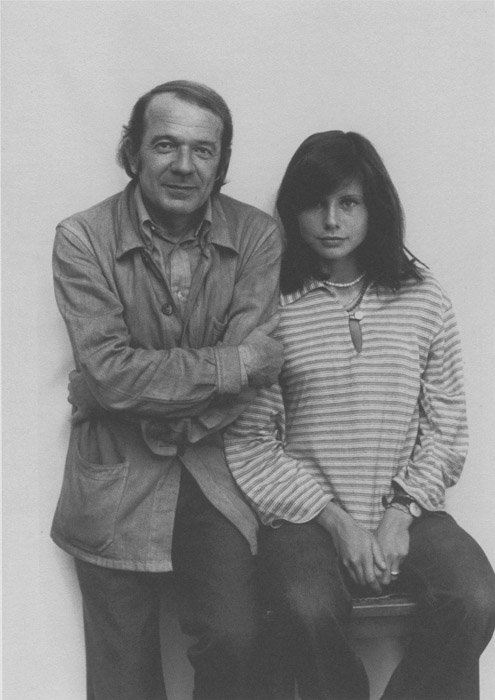
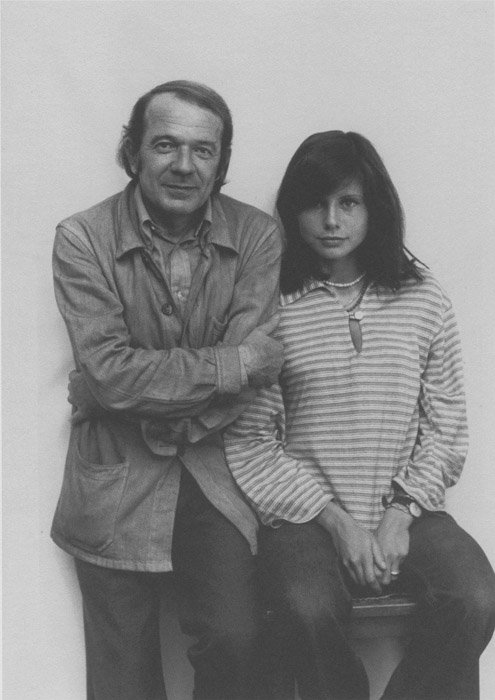
As with so many things, we turn to Gilles Deleuze for inspiration. In his wonderful interviews with Claire Parnet, Deleuze is prompted to comment on his childhood and what it means to write.
He responds, "Writing is becoming, becoming-animal, becoming-child, and one writes for life, to become something, whatever one wants except becoming a writer and except an archive."
What exactly does this mean?
As soon as one becomes a writer, so the theory goes, one ceases to become something new. In essence, one becomes irrelevant, with nothing original or important to say. Not only does the individual lose the ability to transform themselves, their writing also suffers from the loss of the power of transformation. One no longer understands, for example, what it means, and what it takes, to write in the first place. The wellspring of joy and affirmation, from which writing often bursts forth, runs dry.
When one identifies themselves as a writer, says Deleuze, they have the tendency to become sedentary and complacent in their modes and habits of thinking and describing the world. They lose their nomadic perspective, so to speak. But, at the same time, they retain or gain their identity, i.e.: "I am a writer." In opposition, Deleuze presents another type of author, a "writer" that avoids the archive, losing themselves in their work. Another orientation to writing takes place, then, because the writer has engaged with the act of having something to say, to "becoming-animal" or "becoming-child".
Deleuze goes on to explain, in reference to childhood, that there are two types of "places" from which individuals write. The first, it could be said, is from the perspective of a "memorialist", which is to say, an individual who writes from the experience of one's own childhood. To be sure, we all have examples. Of course, this type of writing appeals directly to the private life of memories, accessing the personal archive of an individual's childhood. This model of writing, this personal archive of life, has zero interest for Deleuze. Why? Well, it just doesn't tell us enough about the world, or ourselves. It's a collection of identities.
In contrast to the "memorialist", Deleuze proposes a second type of author, one who writes from what he terms, the "childhood of the world". What a spectacular concept, one worth repeating, hearing it roll of your tongue: "The childhood of the world". The phrase contains just the right amount of staccato and optimism. It's as cautious as it is upbeat. That being so, and all things considered, Deleuze is absolutely convinced that writing has nothing to do with memory. It's something else entirely.
Following Ossip Mandelstam, Deleuze remarks that writing, therefore, is "pushing language to the limit, stuttering, becoming an animal, becoming a child". It has nothing to do with digging "through family archives", but rather, inventing a way to express a new language, within a language. Children are so great at this: inventing their own language as they go along.
What lessons can we learn from this line of thinking? How can it be incorporated and applied to our individual, practical lives? Can the concept of the "child of the world" be utilized to help us as we write and as we continue to create and draw the contours of our lives?
Well, in a certain, dare we say "autobiographical sense", we strongly believe that everything we have learned, we have learned from children. Not from our memories of childhood, but from their expressions towards the world. It's not that childhood isn't interesting on a personal level, remarks Deleuze, because it most certainly is, but rather, what is of most interest is the "emotion of a child", "the sense of being a child, any child whatsoever." It's a principle that we hold dear: as we write, as we design, and as we architect experiences for children. We all know children are amazing, but they're even more amazing than we give them credit for.
As Deleuze writes in What Children Say, "Children never stop talking about what they are doing or trying to do: exploring milieus, by means of dynamic trajectories, and drawing up maps of them". They're always exploring the world around them, trying to figure things out as they go along. Everything is new and exciting, and they want to taste it, and feel it, and see it - always for the very first time. Nothing is more new than the ordinary and everyday. If only we could learn to see the world with their mouths, fingers and eyes. If only we had the same confidence in our mistakes.
Yet, and with everything in mind, Deleuze insists, "'I was a child,' and the importance of this indefinite article is the multiplicity of a child. The indefinite article has an extreme richness." Lest we forget, we must never lose the perspective of the "childhood of the world". We must write to become a child. Or, if you prefer, become an animal!

Playing with Gravity

Silicon Valley is trying to answer the question, "How can we use technology to help us learn?" Of course, this isn't a new question, it's been with us for at least two thousand years. Yet, with groundbreaking advances in hardware and software, we're reaching a new and previously unexplored point of both mobility and scalability.
Now, more than ever, we're able to highly customize the user experience, specifically tailoring benchmarks as well as progress reports. With positive feedback systems, we can basically offer a personalized education based on the individual needs of the student. Needless to say, it's a really exciting time to be a part of the growing conversation, happening at the intersection of education and technology. Yet, it's also important to remember that education isn't just about technology. It's also about people.
You might be surprised by the following quote: "I used to think, when I was in my twenties, that technology was the solution to most of the world's problems. Unfortunately," says Steve Jobs, "it ain't so". Why? Well, because, as Steve Jobs explains, it takes people. Individuals have a unique ability to help guide and inspire other people. When people invest in other people, not only are they investing in themselves, they're also working to help make things just a little bit better for everyone else.
In a wonderfully candid interview, conducted in 1995, Jobs was asked, "Some people say that...technology may be a way to bypass, 'the problems of education'. Are you optimistic about that?" Steve Jobs responded, rather enthusiastically. "I absolutely don't believe that. And as you pointed out, I've probably helped to put more computers in more schools than anybody else in the world...and I'm absolutely convinced that is by no means the most important thing."
What is the most important thing? Well, for Steve Jobs, to be sure, it was another person. As he goes on to explain, "Another person that incites your curiosity, that guides your curiosity, that feeds your curiosity, and machines cannot do that in the same way as people can." People have a special way of sharing their warmth and encouraging us to take things at least one step further. They also know when to hold us back until we're ready.
There are a number of criticisms against why technology shouldn't be employed as a mainstay of education. One could say, in no small measure, that Steve Jobs was very attuned to the general mischaracterizations and promises of education understood as either transference or absorption. Which is to say, Steve Jobs was wary of the idea that knowledge is something that can be downloaded as opposed to experienced, and that education can be acquired through absorption as opposed to active engagement.
This reductive model of learning, perceived as passive, receptive and unengaged, has implications both for thinking through systems of education and for technological advances in the ways in which we learn. For Steve Jobs, education is, on the contrary, active, involved and engaging. More than anything though, education is about experimentation and discovery. It's about making mistakes and finding the courage that is needed to overcome them. Imagine, for instance, if we were all just a little better at identifying our own mistakes, instead of so adept at pointing out the fault lines of others.
Here's an interesting thought experiment: How do you develop a system that can accommodate user error and not dismiss or discourage the mishap, but guide and support the activity involved? How can you create positive feedback with a device that mimics the generosity as much as the inflexibility of an individual supporting your endeavors.
For Jobs, education is exploration, not reception. This is precisely what Steve Jobs has in mind when he states, "And, so, especially with computers the way they are now (1995). Computers are very reactive, but they are not proactive. They are not agents, if you will. They are very reactive. What children need is something much more proactive, and they need a guide. They don't need an assistant." The main criticism of the technologization of education, then, is primarily concerned with users conceived of as passive receptacles of information.
In the same interview, Steve Jobs states: "The elements of discovery are around you. You don't need a computer to know..I mean, here..(Steve Jobs picks up and objects and let's it fall to the ground)…Why does that fall? You know why? Nobody knows why. Nobody in the entire world knows why that falls. We can describe it pretty accurately, but no one knows why. I don't need a computer to get a kid interested in that. To spend a week playing with gravity and trying to understand it, and coming up with reasons why. You do need a person."
Needless to say, this interview was conducted before the launch of the tablets, and, arguably, before the birth of new types of systematized, personalized "online education". Still, in anticipatory mode, Steve Jobs is highly aware of any perceived criticisms of computer-focused educational experience. As Steve Jobs said, there are lessons to be learned from gravity that a computer cannot teach. "I feel very strongly about this. And I wish it was as simple as giving every kid a computer, but it won't work."
As we all know, we are completely surrounded by technology. It's everywhere we look. We experience it at the grocery stores, and encounter it when we watch a movie or drive the car. Technology has become inescapable. It has helped to shape, inform and continues to work to advance our lives. Of course, there are as many advantages as their are disadvantages to technological incorporation, lessons that we're slowly coming to terms with.
Shifting gears, only just so, we'll leave you with a final perspective from Steve Jobs: "I'm a very big believer in equal opportunity, as opposed to equal outcome. Equal opportunity to me, more than anything, means a great education." Don't forget to play with gravity. And a great education, to be certain, involves people. It also involves learning how to play with gravity.
On Commas
I've recently discovered that I have a love for commas. Before working with a copy editor, I couldn't exactly articulate why. I'd never really stopped to think about it. The commas were always just there, populated with great fervor, highlighting interludes as much as rocket launches.
For whatever reason, I've always been fond of the curvature of the comma. It's ever so slight and promising. They just hang there. You're not exactly sure what will come next. Will there be a pause, and then a continuation? Or, will a new trajectory be put into motion? Where will it lead? There's great pleasure to be found in the moments a comma affords.
It has come to my attention that I often get carried away with using commas. When I read my own writing, which I rarely do, commas always seem to be present. Sometimes they're inserted like carefully placed railroad spikes holding down the tracks. While, at other times, I can sense they're about to derail the train, and the trains to come.
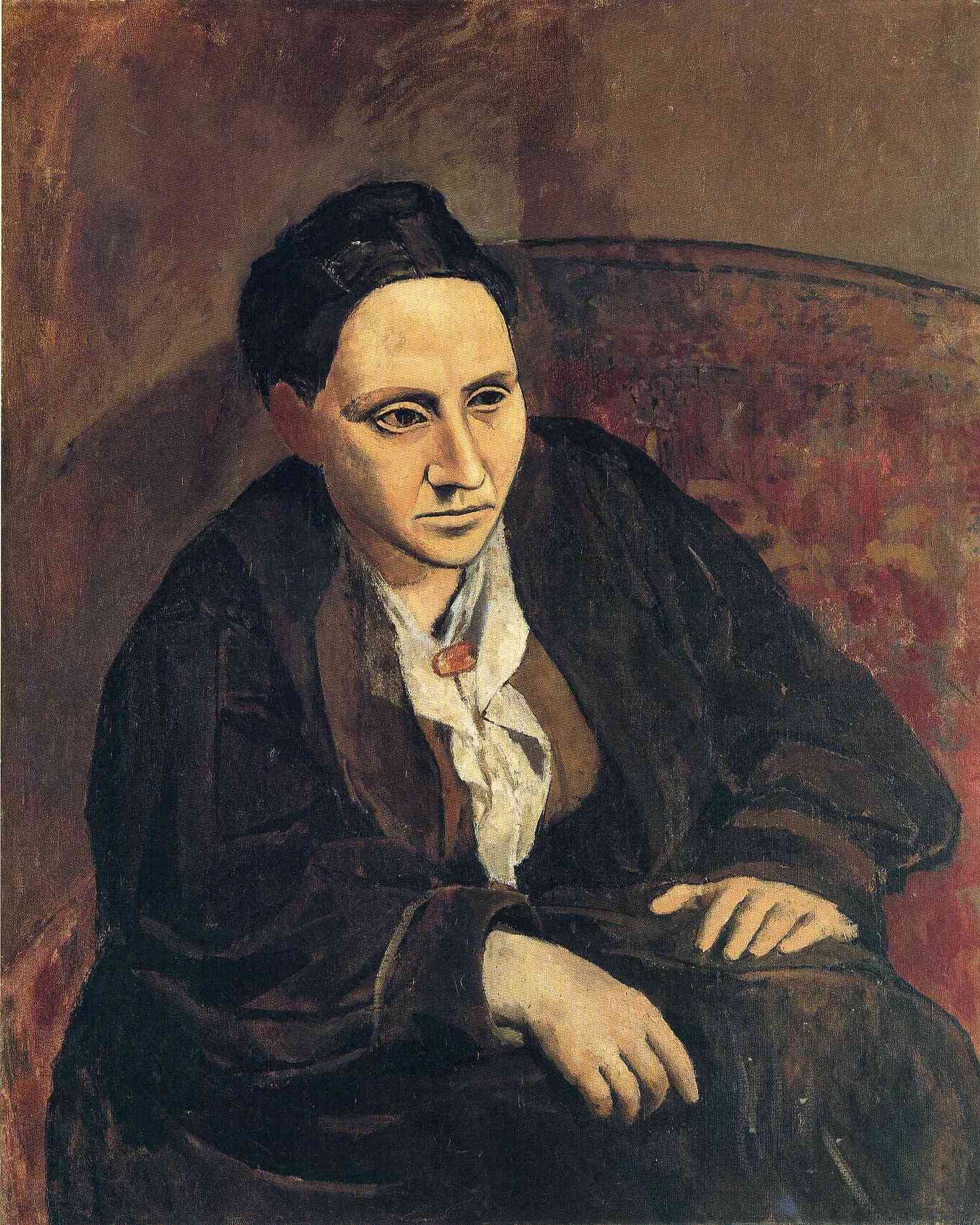
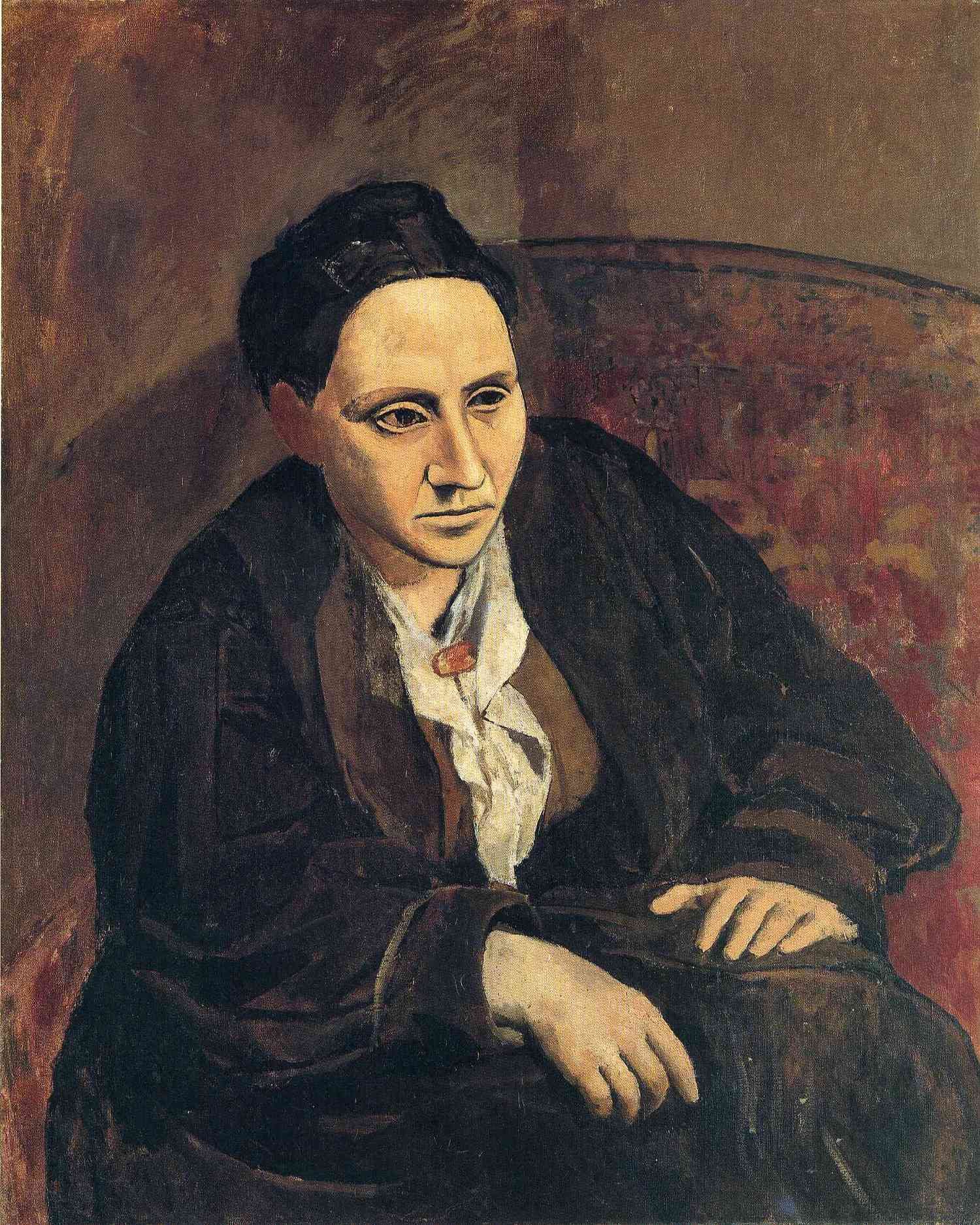
From Tender Buttons, Gertrude Stein Writes:
"Out of kindness comes redness and out of rudeness comes rapid same question, out of an eye comes research, out of selection comes painful cattle. So then the order is that a white way of being round is something suggesting a pin and is it disappointing, it is not, it is so rudimentary to be analysed and see a fine substance strangely, it is so earnest to have a green point not to red but to point again."
After reading this passage from Gertrude Stein, I'm led to believe that without developing an appreciation for commas, it's very difficult to read her work in more than a cursory sense. Which is to say that she employs commas in such magnificent, unexpected ways. She leaves you completely puzzled, but also full of just enough oxygen to try to figure out the riddle.
It's such a profound experience when you encounter a comma in Gertrude Stein. It's like greeting a comet with a wave, as it sparks across the effervescent sky. From red to green, to red again. She cajoles us along! Gertrude Stein is such a masterful writer. Of course, some people find her difficult to read.
Writing doesn't come easy for me. It's a very arduous, cumbersome process. As so many others have expressed: sometimes writing just flows, while at other times, it's like banging your head against the wall. As Deleuze inspires, sometimes you just gotta keep banging.
After some reflection, I've come to realize that I employ commas, not out of any grammatical forethought, but that they help me to pace my thought. I figure things out as I write. Not before I write. Clearly, this gets me into some troubled waters. Good thing commas help us breath.
* I strongly recommend that you listen to Gordon Bearn's presentation on Comma, Living.
Learn to Read
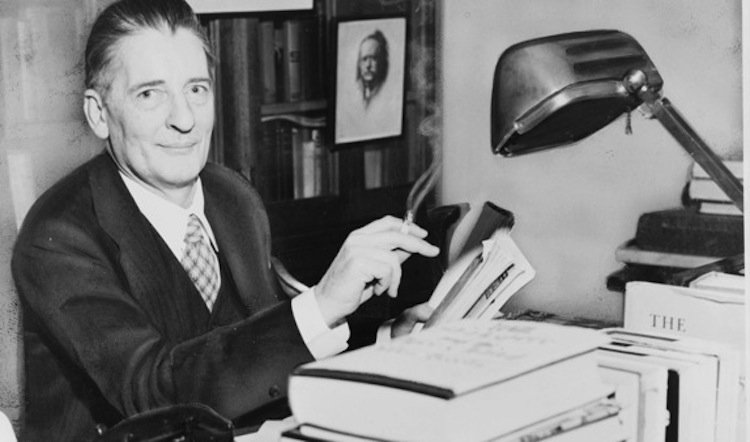
For the past few weeks, and at the suggestion of Madeline Gins, I've been working with a copy editor. My eyes have been completely opened. I feel the way a newborn must feel, as her mother tends to her matter-laden eyes with such measured and well-intentioned movements. It's as if an entirely new set of circumstances has suddenly, and more clearly, been laid out before me. Why couldn't I see this way before?
Truly, I want a copy editor to review everything that I write. In many respects, I can now feel "my editor" as she kneads the words in my head, even before they're pressed upon the page. "It can be smoother still," I can hear her iterating. Working with her has been such a profound, illuminating experience. It's almost like the sensation I experienced when switching from the brutality of a typewriter, to the grace and ease of a computer. I can still feel the keys tingling beneath my fingertips as I read her suggested revisions. And, of course, she's been right virtually one-hundred-percent of the time.
I can feel her as she carefully wades into the text. She's so attentive not to interrupt the flow. Yet, you can still sense her presence, as she works to uplift the man-made boulders from the middle of the restless stream. Visually, I see and take note of her comments and suggestions. I try to plot out their alternative courses of action, and what they might mean for the rest of the text. The margins come alive, even as they sever their connections to the body of work, in a way that they always should, with vigor and focus. To be sure, looking from the shore is an acquired perspective.
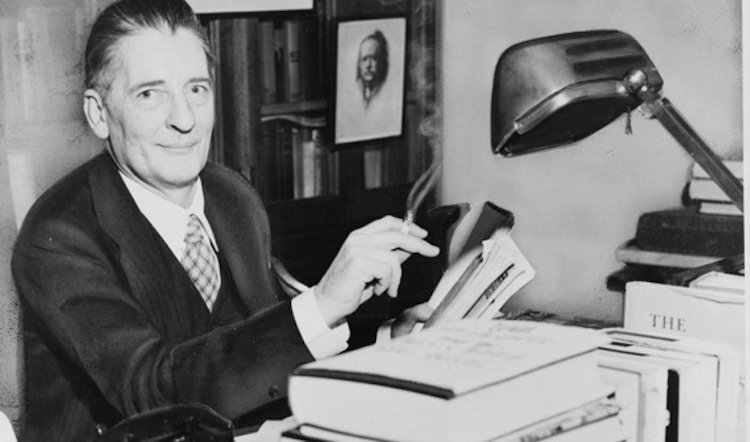
Alongside this momentous discovery, which I'm still trying to digest, I've recently stumbled upon the work of Max Perkins. This might sound ironic, since he's primarily known as the editor and confidante of some of the last centuries greatest literary titans: Ernest Hemingway, F. Scott Fitzgerald, Thomas Wolfe and the affably talented Marguerite Young. Have you read Miss MacIntosh, My Darling? Needless to say, I've been thinking a lot about the relationship between an editor and an author. Mandy Brown has unearthed some wonderful comments by Perkins on this precise subject. You can read them here.
Perkins once offered writing advice to a young servicemen eager to take up his pen. He wrote: "I think, in truth, that the best writing of all is done long after the events it is concerned with, when they have been digested and reflected upon unconsciously, and the writer has completely realized them in himself. It is good journalistic writing that is done quickly while everything is still new, but not the best writing. . . " Living in the age of the blog, when journalism itself has been called into question, I find this advice extremely refreshing. Further still, I was struck by what I perceive to be his single best piece of advice: "Learn about writing from reading."

The Birth of Television

In reviewing my list of films last year, it became rather apparent that I spent more time watching television shows, than engaging in the cinema. Which is not to say indulging in the excesses of television, but in the innovations of television.
Why? Well, I'm not entirely sure. However, I can share that my new favorite "cinematic experience", which has become increasingly frequent, is watching an entire television season in the course of a weekend. Most recently, we have watched five seasons of Sons of Anarchy in extended, uninterrupted bursts.
As a frame of reference, that's approximately three thousand minutes, or fifty hours of viewing time. An insane amount of dedicated, hallowed out space. For the sake of comparison, we could probably tackle Proust, in French, in that same window of opportunity.
The experience was totally immersive. Not only were we engrossed in the plot and the characters and the cinematic style and modes of presentation, there was a very real sense of not wanting the show to end. Of course, this is not specific to Sons of Anarchy, but to the "culture" or "world" - to use an expression of Wong Kar Wai's - that is constructed within the particular series.
We felt complete absorption, but not in the same way we watch the news or late night talk shows - which we rarely engage. No, it was a refreshingly tonic, exhilarating sensation. It is, in many respects, the same sensation we find in the best of cinema: the convergence of the spectator with the spectacle. All the same, there's always the risk of total absorption, as demonstrated so eloquently in Videodrome.
The continuity of the television series, despite the constant threat of interruption, and ultimately, being discontinued, imparts a sense of jubilation and triumph. It seems as if, contra the cinema, it will go on forever. You could literally be enmeshed in the folds of the story, endlessly. We could, just as literally, watch a character age within our lifetime, and not just as in the famous scene in Citizen Kane.
But, the mode of interruption itself has also been altered. No longer is television, at least on this model, riddled with advertisements. Instead, it's been forced to reconfigure itself. We've experienced a radical departure from the traditional format. It's precisely here that television is trying to figure itself out.
It's not that the television is competing with the cinema - although it is - but rather, that it's innovating its own space. After so many years, it feels like it's finally departing from its strong roots in the radio, and developing its own path.
As the cinema becomes less and less of an event, not only physically (watching films at home, instead of the theater), but also, temporally, (as the time from a movie entering the theater to the home shortens), the television has witnessed a resurgence.
*As a side note, in the past few years, we have watched: Sons of Anarchy, Madmen, Downtown Abbey, Game of Throwns, The Killing, Friday Night Lights, Walking Dead, & Boardwalk Empire.
Nothing Can Replace Painting
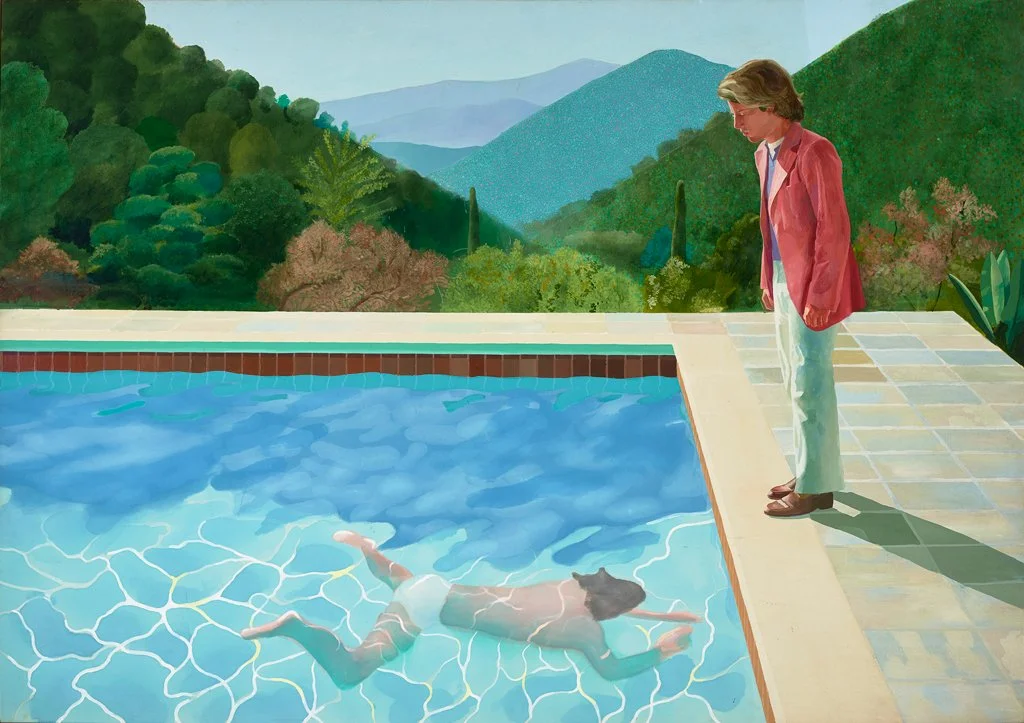
David Hockney - Portrait of an Artist (Pool with Two Figures).
I've been reading a fair amount of interviews with David Hockney. I find them so ripe and resplendent with observations and insights. They're almost like viewing one of his landscapes. As soon as you discover one layer, a color or posture leads you to another previously unexplored depth. There's so much wonder and vastness in his work. It's as if you'll never be able to finish looking, let alone finish the conversation.
Unsurprisingly, perhaps, David Hockney has sufficiently devastating remarks to make on the nature of photography. His comments are aimed directly at the totality of vision that photography lays purchase to: primarily that photography is omniscient. As he states, "Photography likes to claim that it is just putting reality in front of us. But that's obviously not the case." What Hockney goes on to lament, but only just so, is that from the start, the authenticity of photography has been called into question.
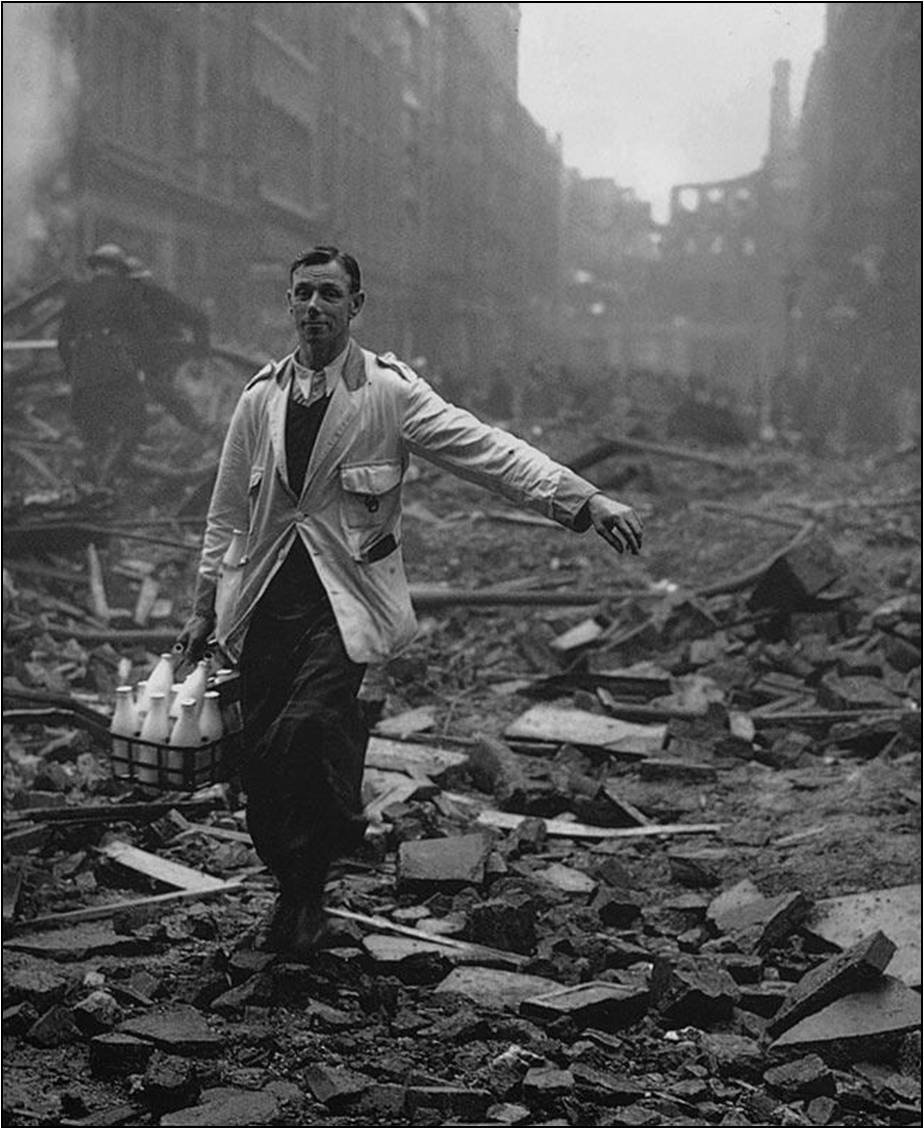
As Hockney explains, "There's a famous shot of bombed-out London the morning after a raid. There's a milkman walking over the ruins. It was made in 1941 to tell people to keep calm and carry on. But he wasn't a milkman: he was the photographer's assistant, he'd just put on a coat. You could say it was faked, but at the time it was doing a job of work: it was saying 'Carry on'. If it were a painting, you wouldn't worry about whether it was a real milkman who was the model."
The point, then, is not that photography is a performance. Of course that is an acceptable style, or mode of presentation. Instead, the point is that photography tends to lend the impression that it has a special claim to reality. That photography, as a matter of fact, represents, or is able to capture, the truth.
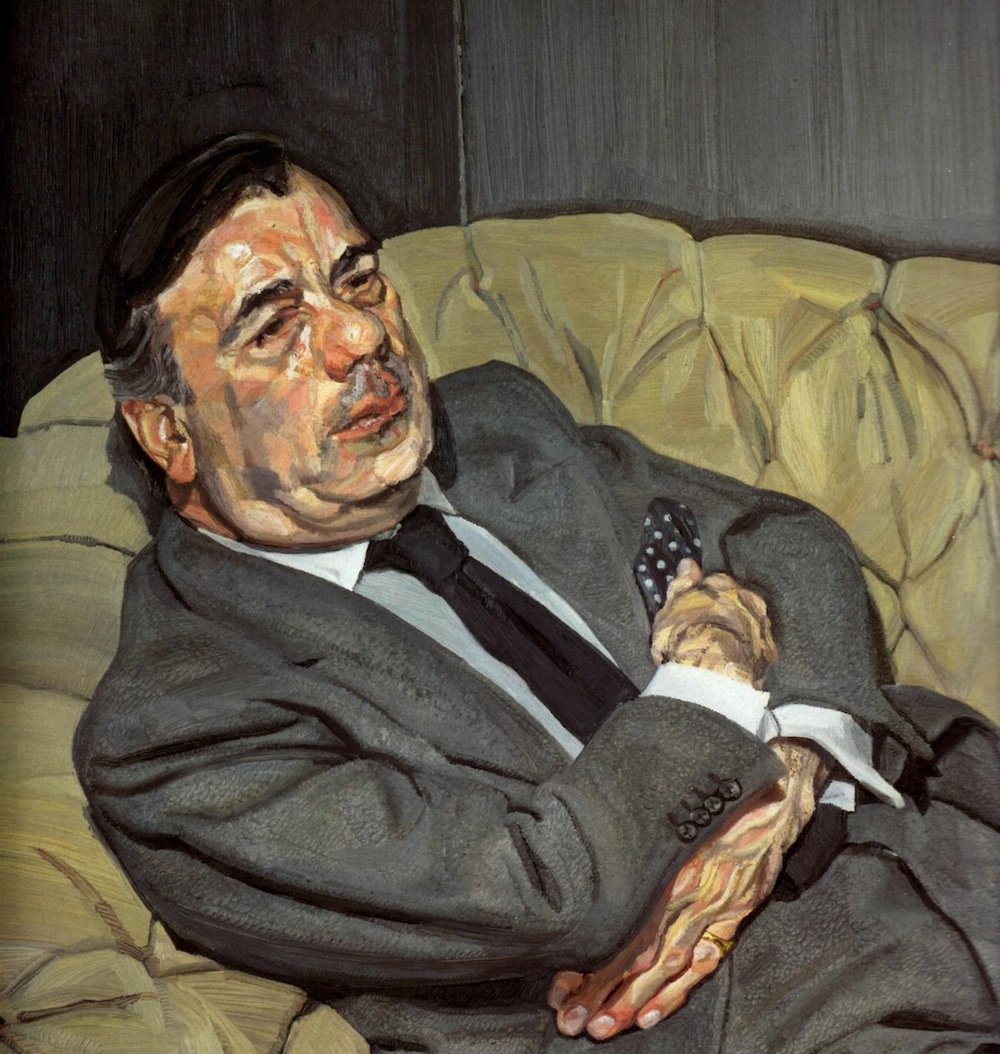
Needless to say, nothing could be further from the paintings of David Hockney. This is precisely why Hockney claims that the portraits of Lucian Freud are, in his own words, "as good of portraits as done by anybody." They manage to portray reality, in a way that photography cannot: with a stunning sense and degree of acuity. In this respect, then, people are as much landscapes for Freud, as Woldgate is a portrait for David Hockney: they are virtually, infinitely explorable.
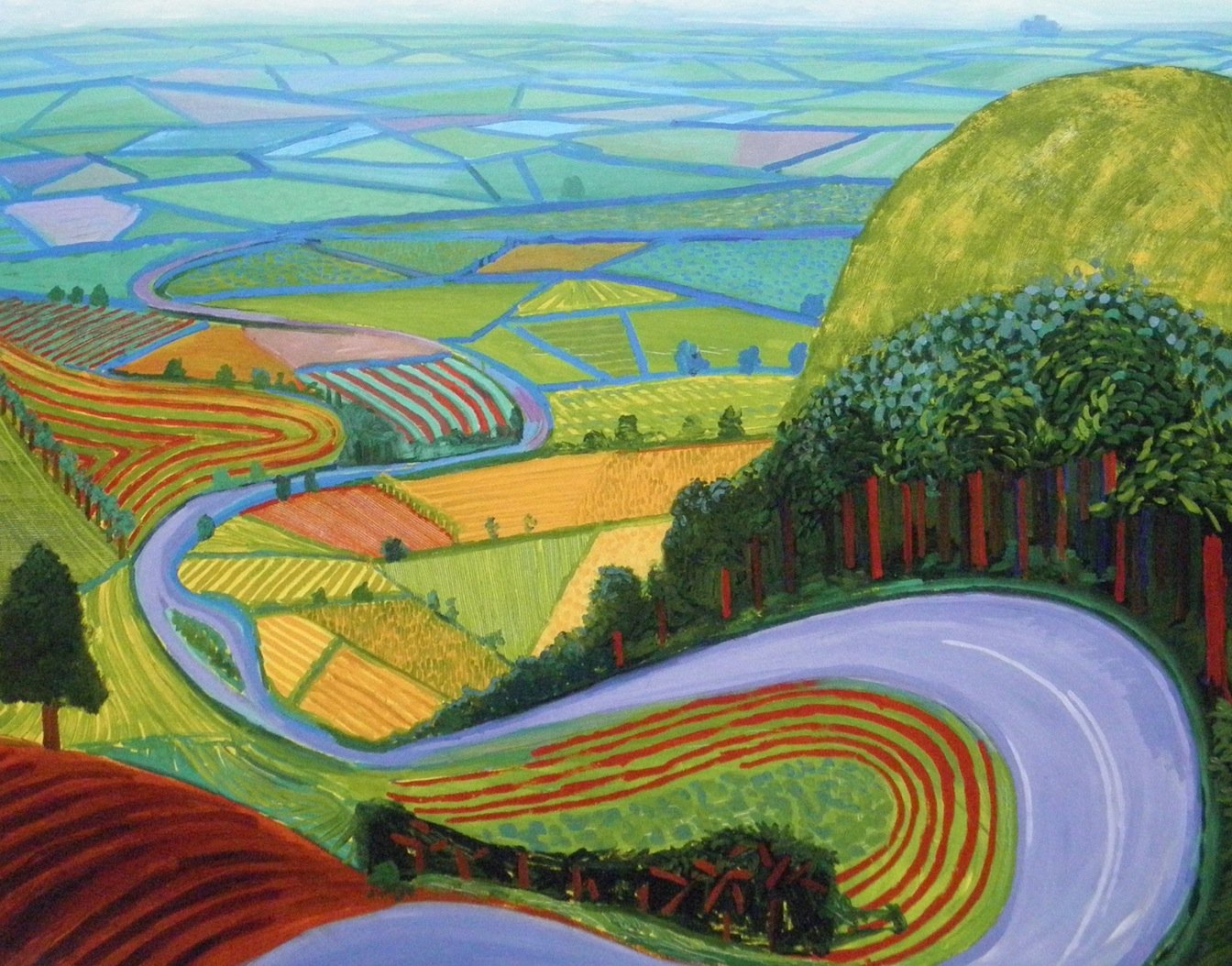
Hockney, to be sure, spent time working with photography, while Freud focused solely on painting, which leads him to express: "We are moving out of what we thought photography was and back to painting." Photography, therefore, increasingly loses its claim to the type of vision and veracity that painting constantly endures and provides. Still, Hockney suggests, "people believe that photography catches reality. It's catching a bit of it, but not that much of it."
Imagine, for instance, standing before a magnificently arresting sunset. You're instantly paralyzed. Your eyes struggle to find a place to rest, as they traverse across the sky. Within seconds, you're enfolded in a matrix of unexpectedly vivid and penetrating colors. Helplessly, you anxiously attempt to further immerse yourself in the abundance of this ephemeral moment. It's just so beautiful. You want it to last forever. You want to bathe in the vast swathes of light. Yet, and despite your best efforts, you begin to feel the radiance of the sun as it starts to position itself to set. Its strength, while constant, is somehow fleeting. "One more moment", you plead. You snap a photo in the hopes of later reliving this moment, but the photo will only later betray your vision.
Interestingly enough, Henri Cartier-Bresson, unarguably one of the greatest photographers of the mid-twentieth century, gave up photography in the last few decades of his life, and turned to drawing. David Hockney makes a wonderful observation on this decision: "He was the master of that period: a fantastic eye. He began when Leica was invented, and he gave it up a little before Photoshop was invented. His roles - don't crop the picture, for example - would be incomprehensible to a young twenty-first-century photographer. You couldn't have a Cartier-Bresson again, because you would never believe it. Today it would be artificial."
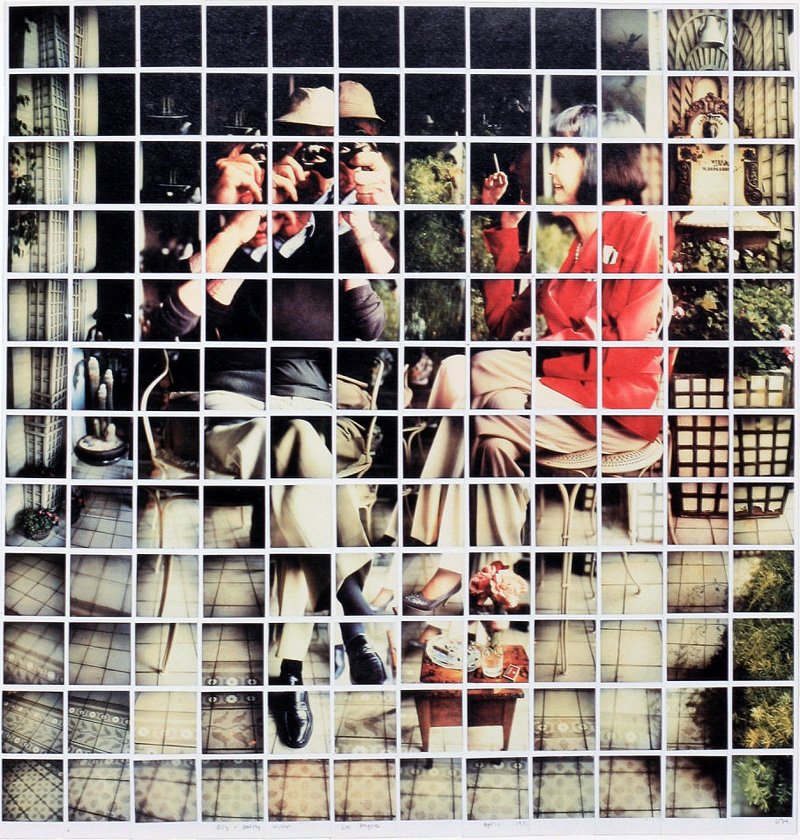
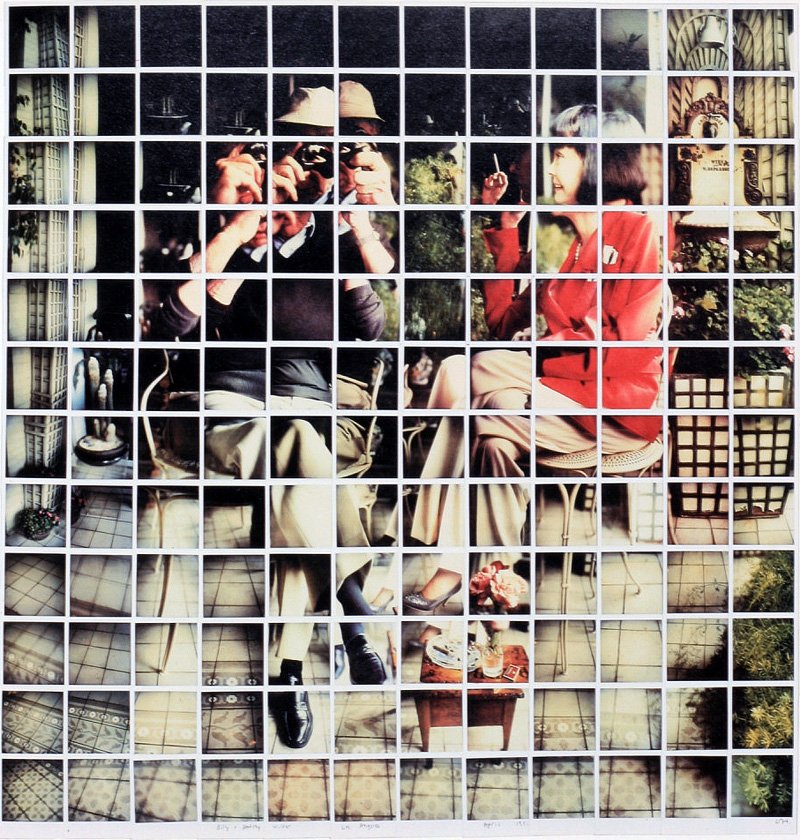
When you view a Hockney photo collage, you can feel him trying to slowly, almost methodically, put the pieces together. He's trying to work out, at least on stage, what exactly photography means for the history of art. Polaroid by polaroid, you can feel him strenuously attempting to overcome our cultural attraction to, and misperceptions of, photography. "Most people feel that the world looks like the photograph," explains Hockney. "I've always assumed that the photograph is nearly right, but that little bit by which it misses makes it miss by a mile. This is what I grope at."
Notes on Dissertation
I just finished my dissertation. I don't want it to end. Not because I'm afraid of the criticisms that it might incite, but because it will finally mean, once and for all, that my father is dead.
In a way, everything that came before this dissertation is, in a very real, almost painful sense, relegated to whence it came. If it existed before, but has ceased to exist, there's the threat that it'll be lost forever - suspended in time, as it were. I just hope that we can access those memories, sharing in both their pain and joy. Do memories live forever? The earth dares to tell us otherwise.
My father will never read this dissertation. That's a powerful thought. No matter how many times I read that sentence, it always rings true. He will never read these lines. And yet, somehow, he already knew, even before he died, that I would write them. He had been preparing me for his death, since before I was born.
The Stranger, by Albert Camus, starts thus: "Mother died today. Or, maybe yesterday; I can't be sure." When I first read these poignant lines, my father was still alive. I didn't understand them. They seemed so cold and distant. When I read them now, I begin to understand. While I was present at my father's death, the finality of the moment is never complete. It's like a wound that never heals. It's not so much when the cut happens, but how deep it runs.
You see, this dissertation really began with the rupture of my father's death, marked on the calendar as, January 11, 2006. We were on vacation in St. Kitts. He had taken a nap in the afternoon, as the sun was beating down on the beach, and simply did not wake up. It was the longest vacation that he had ever taken. A total of seven days, or so. As it turned out, it would be his last.
"What a perfect ending, to a wonderful story," our friends consoled. "You couldn't have written it any better," they confided. Well, maybe a little longer, we thought. Yes, much longer, indeed. Yet, there was no suffering, no anguish, no anticipation. At the time, there was great comfort in that particular thought.
Well, at long last, this dissertation is, finally, alive. It's been breathing a while, treading water, but only just so. Now, though, it's taking barbaric gulps. Bathing in the bated grass. Nothing is more refreshing than the wind blowing in from the salty seas. Deleuze taught us that.
Approaching the shore, however, and then reaching it, is as terrifying as it is exhilarating. I just want the adventure to go on. This dissertation has been a bridge. My father knew it when it started, but now that we've reached the other side, he knows it no more. It feels like a boat has been cast off to sea. Still, I can hear Beckett's cadence. Pushing us forward. Nudging us, evermore.
I have been writing in isolation for nearly a decade. I'm not sure what comes next. Or, if I'll be ready for it. But, I know, deep down in my bones, that I'll try to embrace its movements, however radical or unwieldy. To be sure, there's something to be said for jolting oneself at least a bit off kilter.
I can still hear my father's voice, cajoling me on. "You did it," he would confidently exclaim. He used to joke, in all seriousness, that it would take me sixteen years to finish my dissertation. Not out of spite, or an inability, but out of an insatiable desire to learn, to keep on learning. Well, I finished it in seven years to be exact. Not even halfway there.
Here it is. My dissertation. Written with so much support, so much love, not least of which comes from Arakawa and Gins. I owe them so much. Madeline has been a dream. She is the most capacious thinker that I know. Supportive and sincere. She, more than anyone, drives us on. She places action into thought. If anyone can combat mortality, it is her. Her, and her brave hero, Arakawa. I can still see him waving from across the room.
Life takes persistence. "We have what it takes," they assure us. Through architecture, we can begin to reconfigure life, so as to go on living indefinitely. We can begin, at last, to reassess what it means to be human. What it means to overcome death. Just because it's always been so, doesn't mean that it will always be so. They've taught us so much. These are lessons that my father knew. Destiny can be reversed.
It is important to me, that this dissertation be published today, the anniversary of my father's death. It's also important that it be published online, in this format. The internet is ephemeral. Arguably, it's still in its germinal stages. It doesn't yet know what it is, nor what it can become. It hasn't accepted assumptions. I think that's pretty exciting.
The words published here may crack beneath the weight of time. Unless, of course, they're updated and maintained. How many links have we visited, only to find them expired. Let's keep them active. Let's keep them alive.
Traditionally, when you submit a dissertation, you expect that it'll end up in the archives, perhaps assigned to a shelf in the back of an institution. Maybe a student will take it out, intrigued by the title or the author. But, how much better would it be to continue writing...