
Journal—
Musings & Observations
I’ve written for The Atlantic, Huffington Post, Forbes, Warwick and my mom.
You can also see the Magazine view.

Dear Professor Mendelson
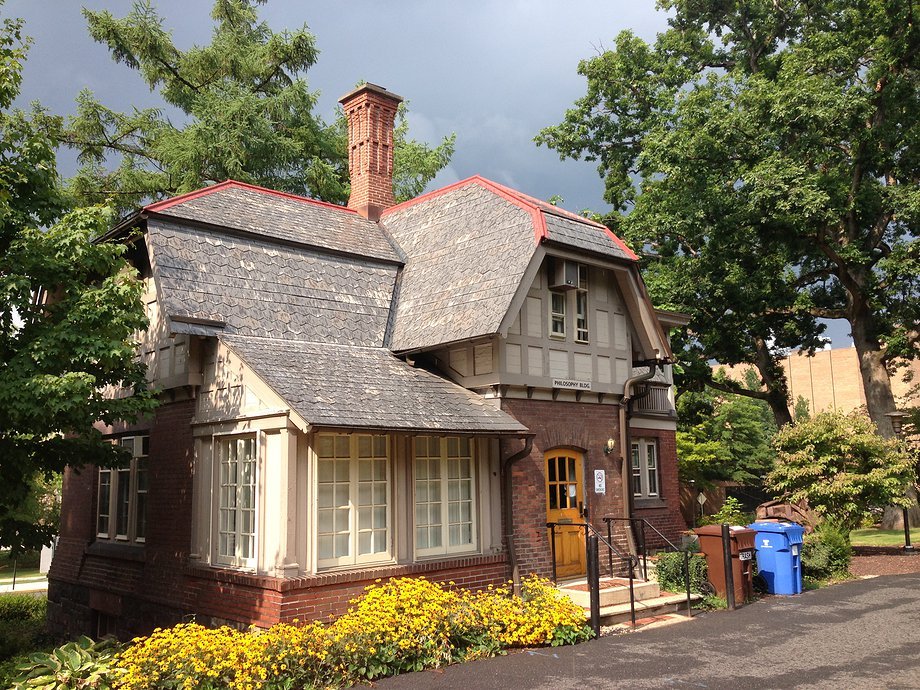
Dear Professor Mendelson,
I remember our first class together.
Actually, I remember all of our classes: Eastern Philosophy, Hellenistic Philosophy, Medieval Philosophy, Modern Philosophy, The Fundamentals of Logic, Friendship, Love and the Other, as well as a bizarre independent study on existentialism and literature, in which we explored the work of Simone De Beauvoir, wondering aloud, together, why she never received the attention we thought she deserved.
I remember how much you embraced the outsiders.
I remember so many of your lessons and insights. In a way, they're even more clear today, almost twenty years later. It's not just how you taught us to discover the nuances of Augustine or Aquinas, with your acerbic wit and sharp humor, but also how you helped us to discover our own voices, helping us to develop the confidence and courage that we would need.
I remember two stories that I'd like to share:
The first was an outburst of excitement. You once shredded a hefty paperback with your bare hands, heaving it across the room and into the garbage, as you disagreed with what the author had to say. I don't remember who the author was, or what the disagreement was about, but I can see that moment, clear as day. In that act, we saw your passion. It wasn't the act of defiance that endeared us, it was the inspiration that you offered for us to think on our own. You had found a different way and you inspired us to find our own way too.
Second, I remember sitting in a brightly lit downstairs room, as you nervously prepped us that we would have some unexpected visitors that day, and we should be on our best behavior. If memory serves me right, it was Professor Weiss, Professor Bearn, and Professor Dillion, and they were there to evaluate you, to see if you'd be as good an Associate Professor as you were an Assistant Professor. As they sat along the back wall with their notepads and pens, making observations and jotting down notes, I remember, in that moment, how I felt you were not just here to teach college students. You were here to teach us all.
What I remember most is how you helped us to find our own voices. How you taught us how to redirect our restlessness. How you inspired us to muster our own confidence. How you implored us to be unafraid of where things might lead. I will always remember how you helped us find our own way, always with an opening to the outside, to the new, to the unknown, to the misunderstood and the mysterious. Just because there wasn't a precedent, didn't mean we couldn't make it a precedent.
You gave us that courage.
The courage to ask our own questions, and discover our own modes of expression.
On behalf of the misfits and the outsiders, from those of us who wanted to embrace the world but just didn't know how...
Thank you.
Your student,
Bobby

Benu

For my birthday, my mother came to visit me in San Francisco. She's quite the connoisseur of food - or, more properly said, a card carrying member of the overly ambitious fine dining club, if such a thing actually exists - and wanted to take me out for a memorable experience.
While I'm always, invariably, intrigued by new adventures, I don't consider myself someone who particularly enjoys lengthy, elaborate, culinary escapades. If offered the choice, and keep in mind it was my birthday, I normally don't partake in such feasts. The extravagance usually overwhelms my infrequent desire to challenge my palette.
My take-away from the experience, however, was ineradicably positive. From the moment we walked onto the property, the care and meticulousness felt in the courtyard, let alone the atmosphere and ambiance of the tables, was indicative of a level of passion and attention to detail far removed from the pitfalls of ostentatiousness.
Everything, and I literally mean everything, was taken into consideration: the menu, the music, the plates, the water glass, the utensils, the temperature, the wait staff, the the paint, the hand soap - every single detail was a perfectly curated and intricately designed experience. It wasn't pretentiousness, it was something else.
I remember cautiously, nervously, rather awkwardly, taking my new iPhone out of my pocket to set it on the seemingly handcrafted, wooden table. I looked around the room, which wasn't stale, but rather, austerely honest in its posture towards its customers: this is the best dining experience you will ever have, it seemed to beckoned.
What I was drawn to, and what continues to captivate me, was the minimalistic nature of the bounteousness of the environment. Not only was it used to optimize the nourishment and intoxication of the cuisine, but it was also used to orchestrate, or more profoundly, set the tone for the creation of an event.
I realized, as I tried to absorb the experience, and later reflect upon the understated nature of my enjoyment, just how easy it is to participate in the democratic character of a well-designed experience. You're carried away by the subtleties of quality. The iPhone, for instance, didn't feel out of place, in this insanely-well-crafted-experience.
If only the price was more reflective of the catholicism.
Thank you, Mom.

Building a Community

Photo by Connor Burtis
I was asked today why we keep Montessorium in South Dakota. I didn’t really have an answer prepared to meet the enthusiasm of the question.
I think the answer - to why we want to stay where we are or why others chose to stay in their communities - is much simpler than we often make it.
Building a community is something like a concerted effort towards a shared sense of the betterment of the people in the place in which they find themselves.
Maybe that’s already too complicated.
Building a community is an ongoing dialogue between many different things: people, places, the environment in which they find themselves, institutions, and a multitude of other, less established, but just-as-present influences.
Building has everything to do with attitude.
How we approach things is just as important as us approaching things. Maybe it's a question of desire - of the feeling we have towards what we want to approach.
I'm not trying to make it feel as complicated as it sounds.
The phrase “building a community” is already too prescriptive for what it takes to build things together - especially shared spaces. With the right conditions, I think things can be more organic than they might seem.
That's the rub.
I have the feeling that learning how to engage discoveries no less than hardships - with a certain openness and willingness - is more agile than imposed.
At least, it could be.
Maybe "community" is just about the people. About working together. Having the opportunity to grow with people you come to respect - maybe even love.
Recognizing that I'm lucky enough to be a part of the conversation - in an incredible "people-place-environment-building-space" - is where I always get tripped up.
I love where I live.

Savage Beauty

There's something extraordinary about the Savage Beauty exhibit.
In the introduction to Anti-Oedipus: Capitalism and Schizophrenia, published in 1972, Michel Foucault once famously remarked that 'perhaps one day this century will be known as Deleuzian'.
Alexander McQueen -
"When I'm dead and gone, people will know that the twenty-first century was started by Alexander McQueen."
Despite the hubris, and in spite of the flamboyance, he was on to something.
You feel a sense of vital movement in his couture. Like a wind, steadily blowing in your face, confidently reassuring you of the course, even if it's not readily apparent, and you have to traverse unbeknownst obstacles ahead.
The work is not weighted down by despair or destruction. Rather, it's uplifting, even in its darkness - jarringly so, one would conjecture. It's a wellspring of hope and defiance, a resistance to that which subsumes the death spirals of existence.
"There's no way back for me now. I'm going to take you on journey you've never dreamed possible."
"I oscillate between life and death," says McQueen, like a seasoned ferryman.
There's a feeling of complete and utter unrest in his work. Of not being satisfied. Of striving. Of always trying to keep on moving, back and forth, until the forth takes us somewhere new.
Movement is a major theme in the retrospective of Alexander McQueen. Nothing is static. It's all trying to get somewhere, even if it doesn't know where. Certainly, McQueen took us to places we never knew we could find.
"You've got to know the rule to break them. That's what I'm here for, to demolish the rules but keep to tradition."

Recommendations

Not unlike dreams, the sharing of books can be personal, intimate, even revelatory. Sometimes you want to share them with the world. Other times, you want to pretend they never left the dark, wondrous imagination of your nightstand.
It’s hard to know exactly what to share. Or, with whom.
When someone you admire or trust, or want to learn from, recommends a book, or an author, or a subject, you instantly find yourself endeared to that new terrain. You try to track it down. Learn from it. Follow its curves. You’re enchanted by the labyrinth, and the promise of the surreptitious landscape. The unfamiliarity draws you near.
Secrets keep well those who empower them with their desires.
In seemingly unexplainable, mysterious ways, the panorama summons you forth, rough-hewn and precipitous. You listen. You survey the craggy meadow from above, trying to apply your honeyed, honeymoon eyes. You take notes. You’re attentive to the nuances, as a new set of possibilities present themselves for you to navigate.
Everything is as if for the first time.
Recommendations arrive like storks in the night. You’re not sure if they’re fairytales to be believed. You conceive of the risks involved with a new enterprise: the feasibility, the practicality, the chance occurrence. Then, as if unexpectedly, everything else slowly fades away. You follow the myth into the moonlight.
It’s just you and the recommendation.
The joy of exploration, and everything that accompanies those loud, embolden sirens of happiness, surpasses everything. Desire, to be sure, trumps satisfaction, every, single time. You are contented in the recommendation, as you try to figure out if it suits you just so. The right recommendation can yield a life-long friend.
Recommendations can deliver us from the abyss.
Whether the recommendation was betrothed, or you discovered it on your own, the happenstance becomes your songline. There’s a sense of excitement. You’re passionate about the unexamined depths of expansion, incorporation and, maybe, if you’re lucky, maturation.
Recommendations provide encounters.
Yet, what does this relationship entail? Not only what comprises a recommendation - the etiology, so to speak - but also, how they are delivered, how they affect us, and ultimately, how they are archived. What exactly is in the nature of a recommendation?Is it purely a selfless act of generosity, or a form of selfish identification with another? Or, perhaps more basically, a need to share with the world?
There’s a lot at play in a simple recommendation.
In a very deep-rooted, almost idiosyncratic, individualized way, learning itself is but a curation of recommendations. I say ‘but’, yet, it’s so much more than that. It’s the way your lover recites Sartre in a cafe, or how your favorite professor lends you his personal copy of Nietzsche, or a stranger on Twitter, in a moment of strength, confesses their secret love for The Story of the Eye.
Recommendations participate in the world.

One Thousand Tears or More
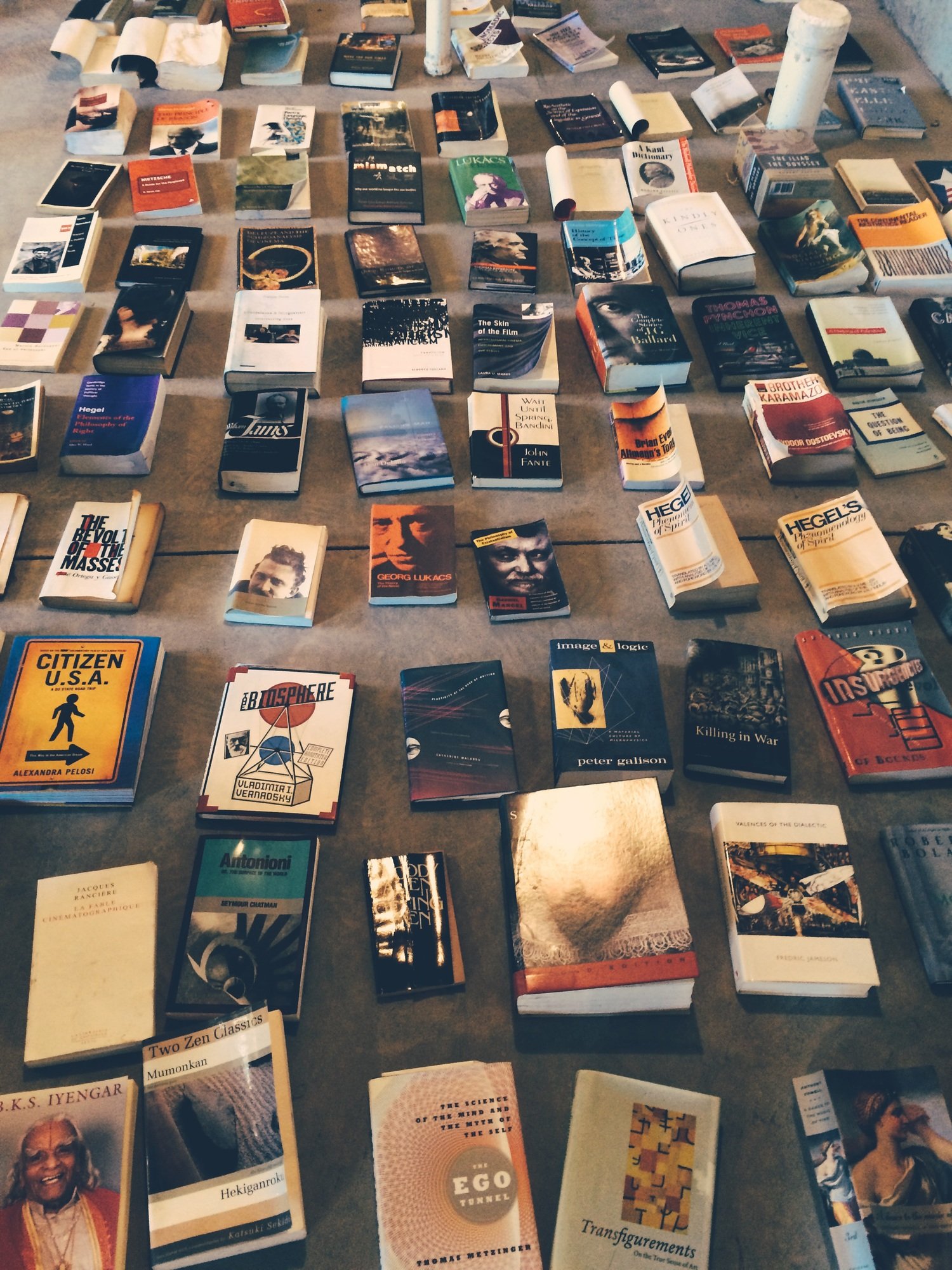
There’s an entire history of books consumed by flames. Our memories lay purchase to their cultures, and we become witness to those who endured the endless fires. For some, the flames can still be seen, even if they are but mere flickers, unsteady bursts of light suspended by time, trapped in the distance.
Less is known about how many books actually met a watery fate, as opposed to an incendiary celebration. Water is somehow less symbolic than fire. Perhaps it’s more tepid or languid, or even calming. It has a wistful, unassuming smile, one that is always ready to seduce, to lure us into thinking its powers are only those of enchantment, when it’s really concerned with an immemorial embrace.
We wince at the horror, as we read about the Library of Alexandria. Its constant destruction pains us still, especially in the context of what it means today. We cringe to learn that Emperor Qin ordered all philosophy books burned, and the authors who wrote them mercilessly buried alive. Or, when Sartre shares the maladies of the imprisoned Jean Genet, our soul itself is seared by the injustice and fervor of the flames.
There’s something magical and powerful about books. What they set free, what they contain.
What the prison guard took from Genet, as he burned what would later become his autobiography, Our Lady of the Flowers, was not just his hope for release, or the promise of recompense. No. He attempted to take his humanity. As Heinrich Heine famously said, “Where books are burned, in the end people will be burned.” Whether it happens all at once, or over the slow, methodical course of many years, it eventually happens. It takes time, patience and cleverness, to amass the tinders needed to sustain an everlasting fire. Yet, there’s an inevitability to it.
Lest we forget, the community which built the Library of Alexandria into a center for worldly scholarship, that bolstered its very occasion, is the same that watched it burn. While Emperor Qin administered the orders, they were almost certainly carried out by someone like us. Wasn’t that Arendt’s exact point about Eichmann? We are all complicit in the story of our lives.
We can almost, each in our own way, see the papyrus as it incinerates, forever serving as a beacon for an eternal, creative struggle, and a calling card for more sinister sides. There will always be those who try to oppress that which needs to be heard. We envision an amber colored chorus of ruination, as scrolls hurriedly ascend, desperately trying to escape their impending annihilation, recklessly and courageously grasping for the life that birthed them.
If we listen, with just the right amount of intensity, with our ears pressed to the wind, we can hear their faint, smothered screams. Those of the books, and those of the steady hands who wrote them into existence. After all, it takes great strength to commit an idea to the world, and even greater strength to stand by the convictions of the ink-stained words, (especially as time passes, and they become harder to decipher, and easier to smear). There’s a reason that the Origin of Species remained in Darwin’s desk for all those years. It’s easy to turn a sorcerer into a hero as they’re doused and mounted to a stake. It’s harder, to be sure, to take solidarity in the struggle, when it’s your own flesh that starts to burn.
Of course, there are stories of books that famously escaped such undying infernos. One only need remember Max Brod and his abiding betrayal. Oh, the treachery! Here’s Kafka: “My last request: Everything I leave behind…in the way of diaries, manuscripts, letters (my own and others’), sketches and so on, to be burned unread.” As his words take hold and start to register, we are reminded that most of us would be honored, if we had anything worthy of such a breach of trust. I suppose there’s always hope.
With hope comes a sense of responsibility.
After a recent weekend excursion, more of an outstanding family-obligation, we returned home to find our unfinished lower level completely flooded. Standing atop the staircase, peering down into the watery basement below, we unexpectedly observed three inches of water, standing just so, glimmering, shyly, for our attention.
In a way, it was as if the pool of water, as it slowly mounted the abyss, had solicited our tears - much to the chagrin of our affection for the adventures of Alice in Wonderland. We wondered how many tears had participated, knowingly or not, in libricide.
Quickly, as we took inventory of the contents, we were brought down to size, discovering our collection of books, completely immersed in the seemingly innocuous, rising water. The cardboard boxes, neatly, alphabetically stacked against the concrete wall, twenty x three, or maybe more, steadily started to succumb to the weight of the water. Hurriedly, we waded through the increasingly untenable basement, rushing to save the unaffected books, those carefully positioned atop the sturdy boxes below.
After scaling the stairs with the rescues in hand, we anxiously made our way to the bottom layer, to those boxes most heavily affected, having absorbed the burden of the water. As we opened the shrinking boxes, pealing off the top few layers of salvageable books, we apprehensively made our way to the list of authors, whose titles were now soiled beyond respite.
We recited aloud the names of those who never deserved their books to meet such lack of providence, perhaps despite their intentions to the contrary.
“Nabakov, Miller, Perec…”
“All of Nabakov? Even Lolita?”
“Yes, even Lolita.”
Muttering to the cadence of the work:
“The…light of my life, fire of my loins. My sin, my soul. Lo-lee-ta: the tip of the tongue taking a trip of three steps down the palate to tap, at three, on the teeth. Lo. Lee. Ta.”
I distinctly remember an adjunct philosophy professor at Lehigh University, where I completed my undergraduate, who had returned home from a day of lectures to find his second-floor apartment ablaze. His only real concern, as he later relayed, was the state of his books. Had they all been burned? Could any of them be saved? Understandably, he was beside himself, watching his life’s work catch fire.
In an act of resistance, he showed up the very next day with a seared copy of Illuminations in his hands. He hadn’t slept, let alone showered or changed his clothes. Soot was everywhere. In his hair, on his briefcase. As he carefully turned the page, trying to stay focused on the task at hand, which if I remember correctly was teaching the "Work of Art in the Age of Mechanical Reproduction", ash literally drifted off into the air.
What does it mean to lose a book? Or a library? It’s not just the physical nature of the book, the parchment and the ink. It’s not just the efforts of the author, and the import of their worlds. It’s the margins too. The underlines and circles, the points of emphasis. The notes and the conversations with the author. Even the disagreements. Those are important too.
We covet libraries, just as well as books, not just for their contents, but also for their promises. Books are memories - of places purchased, of journeys discovered, of romances consummated. They’re grand adventures that we can constantly relive. They also help us to make sense of things. Books order memories - of lived dreams, of forgotten ideas, of times yet to come.
They were in my care, these books. They were entrusted to me, as much as to history. It was my responsibility. My fidelity. There’s a sense in which I feel like I betrayed them. That I disturbed a certain order of the world-memory.
At the Library of Alexandria, it is reported that there were “books of the ships” which were sorted, cataloged, and then shelved. These books had arrived through the ports, having made the voyage across the Mediterranean sea, presumably from Greece. They had found themselves inscribed amongst a new collective. When the Library of Alexandria was destroyed, those books weren’t separated, or set out to sea. They burned with the rest of them.
Of course, we would much prefer to share our notes on how to organize a collection of books, or engage with Walter Benjamin’s excellent essay on unpacking a library. Instead, we find ourselves, reluctantly, preparing to write a eulogy to our library. Or, rather, a confession to our heroes and the books they shared with the world, despite the fires they may have incited.
It’s the one letter we never expected to have to write.
Ground Zero
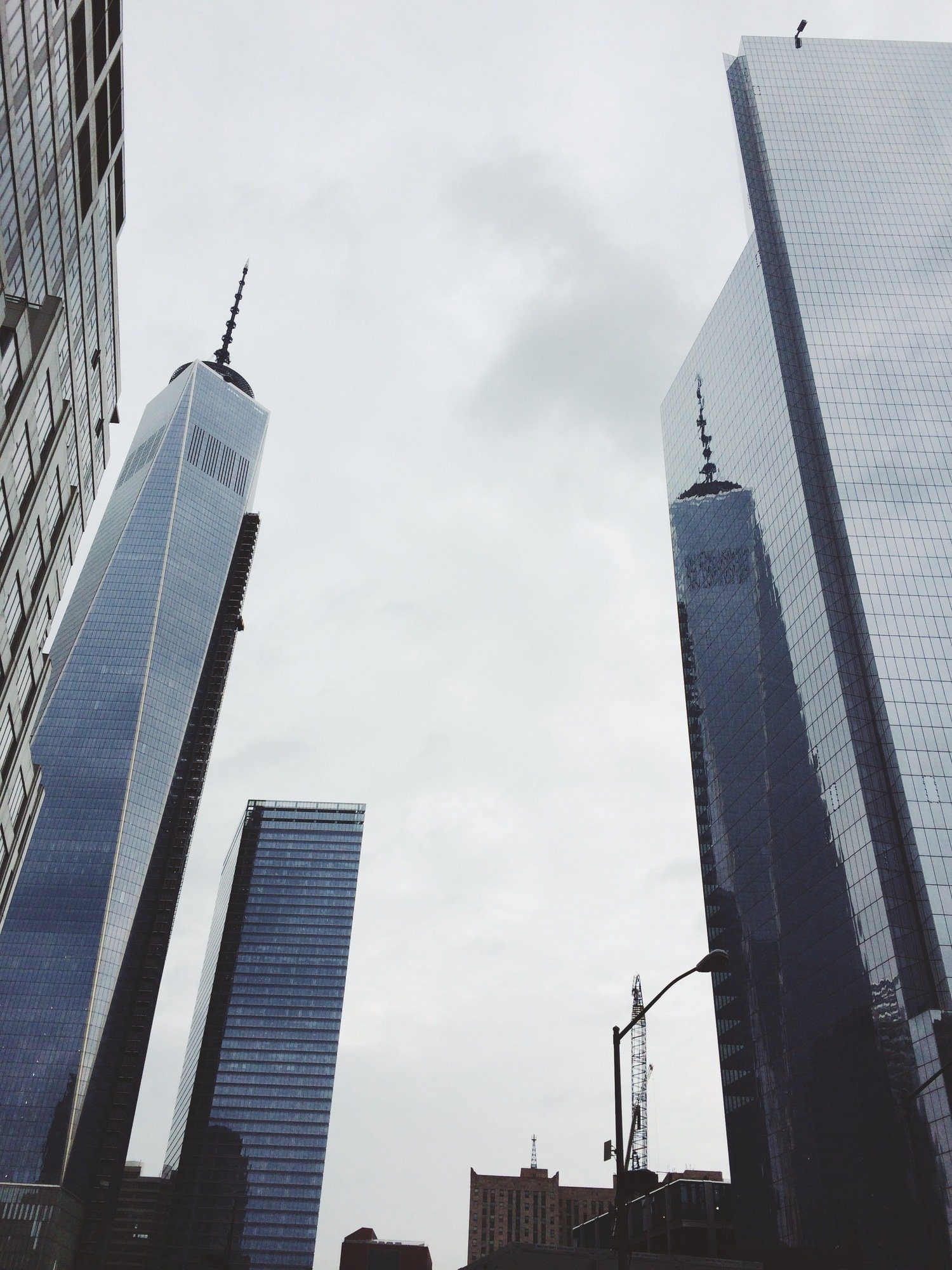
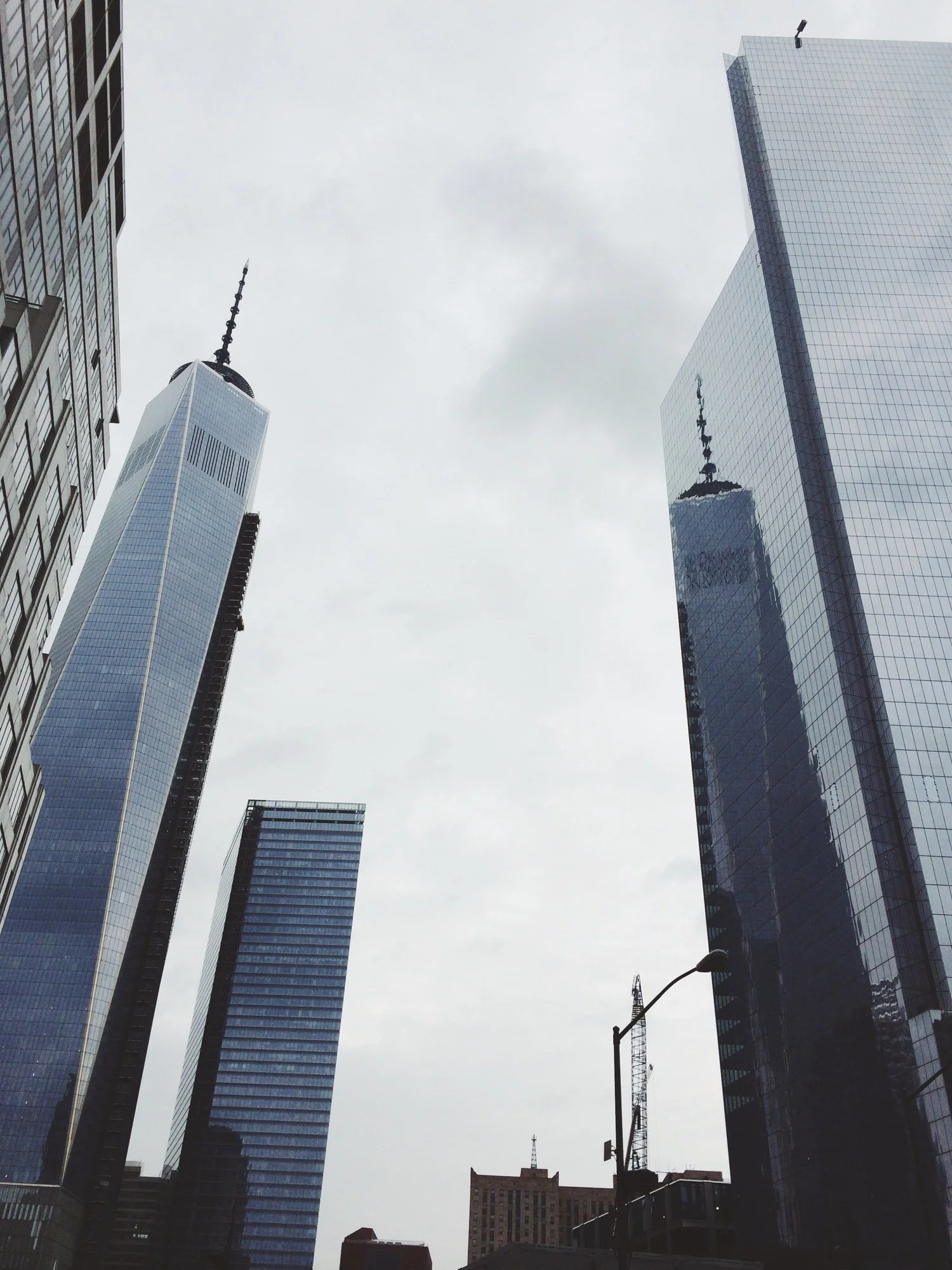
Ground Zero was more emotional than I expected.
It was like a special place reserved, no, carefully and seemingly deliberately set aside, for collecting all the tears, and all the anger and feelings of injustice in the world, and engulfing them in a giant effort to muster the courage needed to breath again. Or, to breath differently.
Those empty, reflective pools, and the contemplative nature of the skyline were just majestic. And yet, somehow ominously poignant. It was as if the {absent/present} space was paying tribute to the nature of {memory/forgetting}, but also courageously signaling building beyond such dichotomies.
You could feel, in a really positive, productive, meaningful way, the vision of Daniel Libeskind. After all, he describes architecture as provoking a dialogue.
"It’s part of, you know, science but it’s also part of astronomy, its part of poetry, literature, philosophy, history."

Imagination
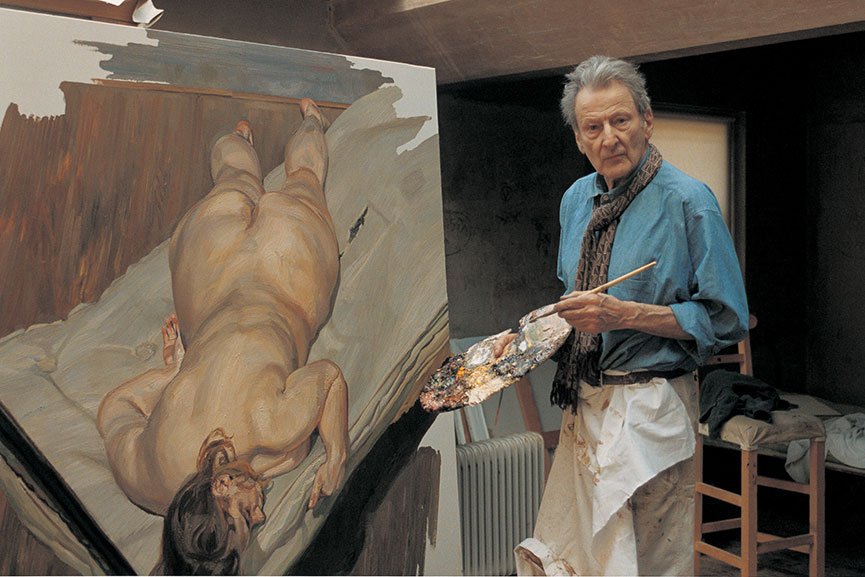
We had a wonderful conversation with a three year old student about imagination. It went something like this: "We love your new tie-dye shirt. Can you tell us about it?" The boy responded thus, "I made it with my mom." With a grin on his face, he enthusiastically continued, "We colored the world." His mother, looking as proud as a peacock, rejoined, "How about that imagination?"
Now, this exchange instantly jumpstarted a series of questions: What is imagination? How is imagination to be understood? Is it possible to teach imagination? Do our judgements inform imagination? Further still, and to encapsulate our fundamental question: what role does imagination play in education?
Imagination, to be sure, is extremely difficult to define. There's no ready-made taxonomy for thinking through imagination. Interpretations vary widely. Traditional accounts, philosophical as well as cultural, typically put forth the thought that imagination is, roughly speaking, an ability to form a mental representation of something imagined.
An example of this characterization is as follows. You instruct a three year old to close their eyes and imagine life on Mars. "Use your imagination", we encourage, as we hand them a blank piece of paper and a packet of colored pencils. As a part of the exercise, perhaps we lay out the basic criteria of the terrain, i.e. "Mars is a planet that is hot, red and far away. There may be life there," we mention. "But, we can't be sure."
A few minutes later, we return to the table to see a small red circle enflamed with what appear to be ants, or aliens. We can't quite make it out, but we surmise that the purple colored flecks are invading the surface of the planet with vigilance. "What intelligence", we think to ourselves, as we praise his imagination, and his creative application.
The great British painter Lucian Freud, however, develops another approach to imagination. In almost direct riposte, he claims: "a great deal of what is normally thought of as intelligence, is actually imagination - that is, an ability to see things as they truly are."
With this assessment, Freud arrives at a new definition of imagination. It's important to note that for Freud, imagination is not belief. Nor is it memory or perception. Least of all, is it fantasy. As a matter of fact, imagination has nothing to do with fantasy or constructing other worlds. Yet, we have a tendency to confuse and jumble the two together.
Imagination, thinks Freud, relates directly to experience. When prompted to discuss colors, for instance, and why he doesn't like taking drugs, he observes: "People say such things as, "Oh, they make me see such marvelous colors" - which to my mind is a horrible idea. I don't want to see marvelous colors. I want to see the same colors, and that is hard enough. Then they say that they are taken out of this world, but I don't want to be out of this world. I want to be absolutely in it, all of the time."
Real imagination, as he describes it, is an 'ability to see things as they truly are'. Imagination, then, is running wild with your own thoughts. It's not about creating things that don't exist, but exploring potentialities that already exist, and pushing them to new limits.
In many respects, the question "what if…", is the beginning of imagination. It's not about coloring in the lines, or following instructions. Rather, it's about creating your own lines, taking charge of creating your own world, with your own coordinates. If education has a role to play in imagination, it's in setting it free.
I Miss You, Madeline
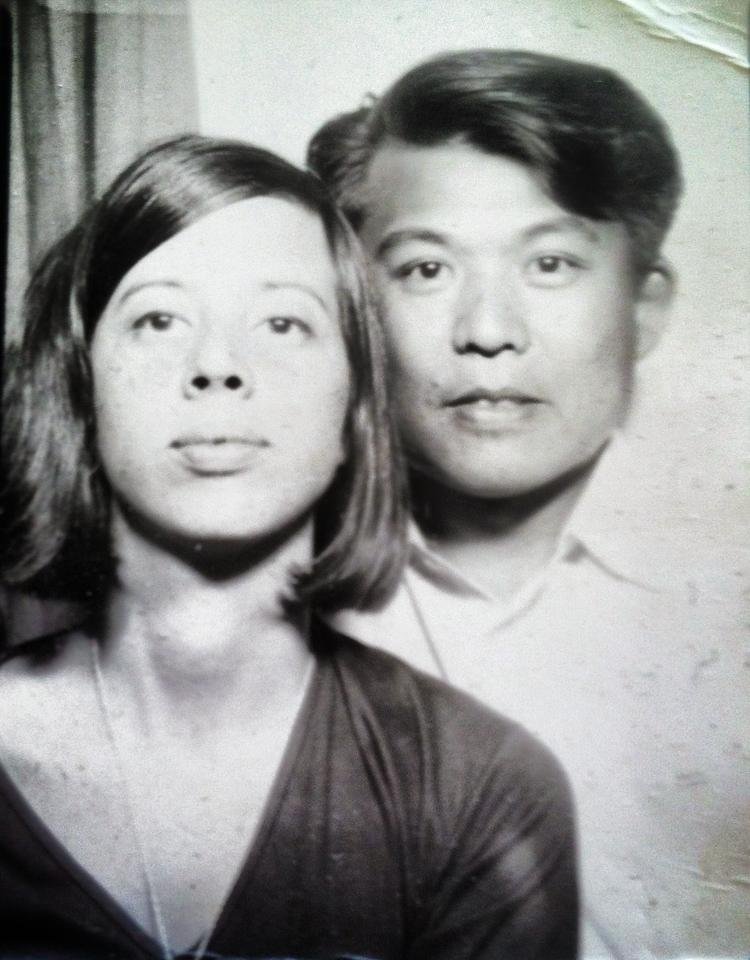
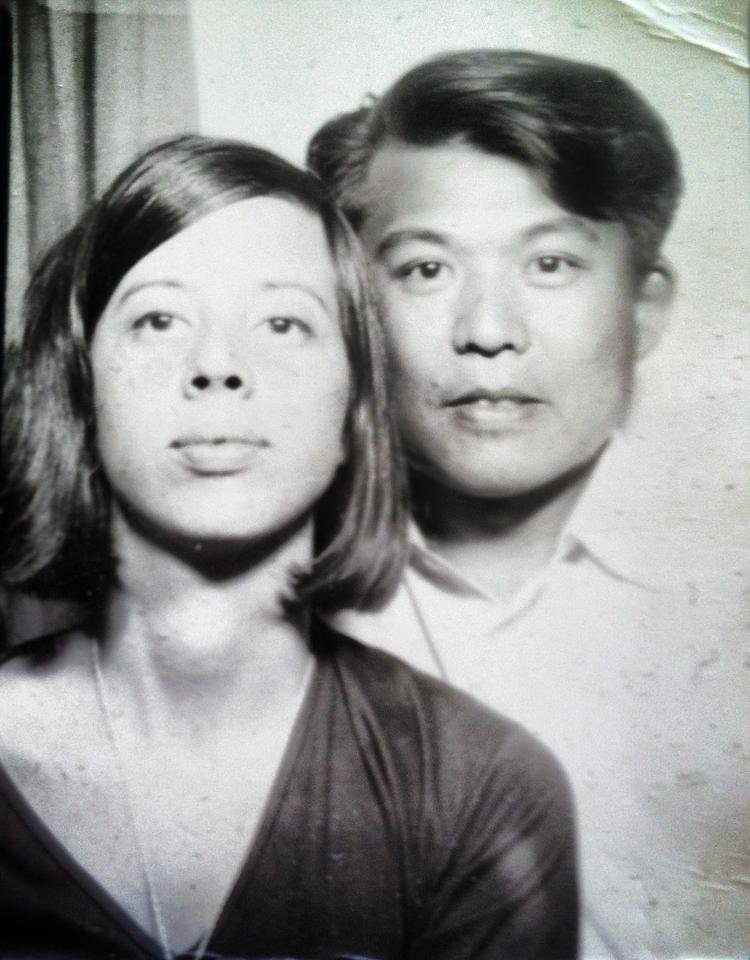
A few years ago, moments after I heard the shocking news that Arakawa had passed away, Madeline called to assuage my anxiety.
“We must keep going,” she said. "We must be strong. Arakawa is our reversible destiny hero."
Now that Madeline is gone, I keep waiting for the phone to ring. I miss her intoxicating, death-defying courage. The universe just isn't the same. Yet, I can still hear the strength and resolve in her voice and in her words: just because it's always been this way, doesn't mean that it will always be this way. I miss you, Madeline. You gave the world the confidence to believe in itself.

Why I Loved Paris
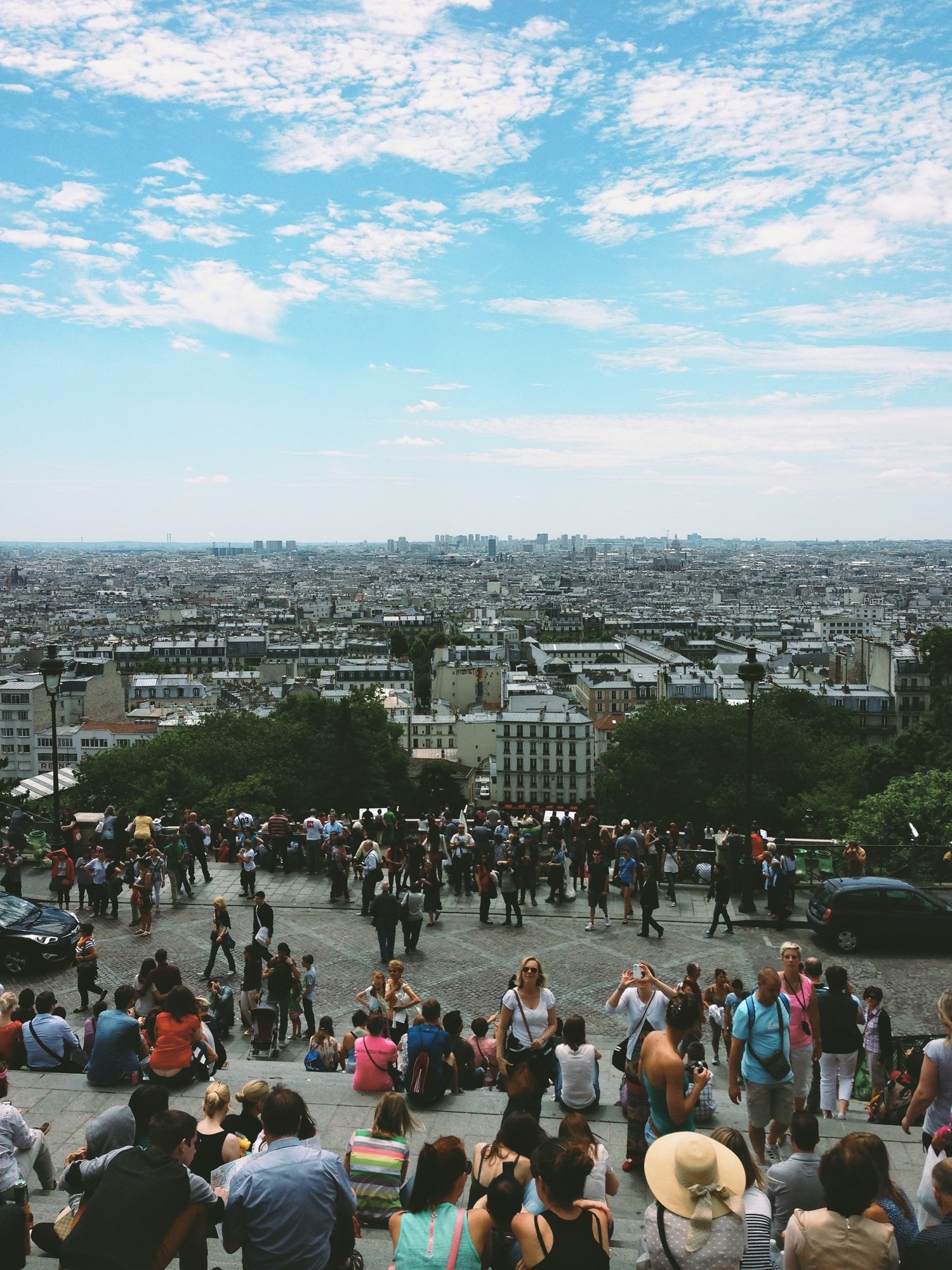
It's a curious thing, when you revisit a city for the second or third time. You somehow imagine that it'll be just the same. That nothing will have changed. It'll have the same shortcuts and smells, the same cafes and (to be sure) the flowers will be in bloom. Yet, somehow, everything is always different. Even the people.
We've just returned from a few days in Paris. It'd been at least half a decade since we last strolled the streets. On the surface of things, and as our memory serves, everything seemed just like it was before. As we looked closer, however, everything felt just a little bit mismatched. Maybe it was us, trying to escape from our busy lives, half-way committed to a hurried vacation, running around to see this or that. Or, maybe it was something else, perhaps a muted or displaced recollection. At least the Eiffel tower was just where we'd always known it to be.
Nevertheless, this time, something felt different about Paris. It wasn't just nostalgia. Which is to say, it's not that Paris isn't a constant source of inspiration, but rather that it felt like it had lost just a bit of it's glowing enthusiasm. And then we read, only today, that when Orson Welles was prompted to write an article for Vogue on his love for the city, he couldn't think of anything particular to say. The article, he quipped, should be entitled, "Why I Loved Paris". Welles goes on to explain:
"When I could walk on the sidewalk in Paris, I loved it, but now I have to climb over automobiles. Soon there won't be any real Paris left, you know. Or real London or real Rome. Because a few untouchable monuments are not gonna keep a city…I think all the cities of the world are in decline. Because the idea of supporting cities has ceased to be part of world culture. We're all moving into shopping malls…Maybe I'm just reactionary", confides Welles. "If I am, it doesn't bother me much, though. I'm perfectly content to be reactionary - to belong to my own time."
This question of the real. It haunts us still. You see, Paris is such an enchanted city. It's full of so many dreams and memories. You can't help but feel a sense of purpose and pride, a sense of excitement and despair. You're not quite sure if you're living a moment, or reliving a memory. In many respects, it feels as if you are a part of something that's just about to happen, or something that happened centuries ago. It can be very disorienting.
As we strolled down the St. Germain-des-Pres, squinting just so, we could almost see Hemingway sitting at the Brassier Lipp, enjoying a strong dry martini. Like any "good tourist", we picked up the latest edition of the Moveable Feast at Shakespeare and Co - which is, in one way or another, not quite the same since George Whitman passed away. Needless to say, the same observation was probably made when Sylvia Beach moved to the rue de l'Odeon.
We read in the introduction to the new edition of the Moveable Feast, in a lovely piece written by his grandson:
"In November 1956, the management of the Ritz Hotel in Paris convinced Ernest Hemingway to repossess two small steamer trunks that he had stored there in March 1928. The trunks contained forgotten remnants from his first years in Paris: pages of typed fiction, notebooks of material relating to The Sun Also Rises, books, newspaper clippings, and old clothes. To bring this precious cargo home […] Ernest and his wife Mary purchased a large Louis Vuitton steamer trunk. I recall as a child seeing that trunk in my godmother Mary’s apartment in New York, and I can still remember its smart leather trim with brass fittings, pervasive Louis Vuitton logo and the gold embossed initials, “EH.” The trunk itself was easily big enough for me to fit into, and it filled me with wonder at the grand, adventurous life my grandfather led."
It's such a strange thing, revisiting a city, reliving a memory. To imagine, and to truly believe that nothing will change, that the city you knew and loved so well, will somehow stay transfixed, that your heroes will still be walking around. Well, in a way, they are....