
Journal—
Musings & Observations
I’ve written for The Atlantic, Huffington Post, Forbes, Warwick and my mom.
You can also see the Magazine view.

Ongoing Conversations with Hugh Weber
Photograph of Hugh Weber (2014).
Every thought needs an encounter, a person, an idea, a place, something to inspire us, rattle us, and shake us out of our habitual modes of engaging with the world. For many of us, that encounter was Hugh Weber.
Hugh was a larger-than-life figure who captivated our imagination, made us believe in something more than ourselves, and brought us all together. He still does, as we gather around the breadth of his work, the cornucopia of his connections, and generosity of his legacy.
I can’t believe he’s gone.
Amidst a neutral black sky, Hugh Weber was a bolt of lightning. Seemingly out of nowhere, he appeared in the community, a flash of hope, instantly creating and connecting a thousand disparate nodes, all with an unmistakable voice: one of possibility.
That’s exactly how Hugh lived his life and precisely what he offered the world: a spark, a moment to connect, an opportunity to believe in something beyond ourselves. To believe in ourselves. To believe in our neighbors and cities and, yes, despite our politics, to believe in the elected official right down the street. To not only imagine another world, but to actively participate in its construction, knowing with a sense of empowerment and capability, that anything is possible.
There are three threads that, when woven together, create the fabric of my relationship with Hugh Weber. In many ways, and to speak poetically, he gathered us together in a ubiquitous blanket of imperfection, replete with gaiety, optimism and a shared sense of humanity.
So many of our conversations are still ongoing.
He lived his story alongside us, which, I believe, strengthened his resolve, solidified his vision, and connected us all in a new type of community.
These are the stories of our encounters. In no way do they fully encapsulate Hugh, but yet, may they offer a glimpse into his way of being, his modes of storytelling, and his incredible ability to push us, inspire us, and, at times, madden us. In my estimations, these conversations, when multiplied, demonstrate his power to connect our valences. They remain ever prevalent in my thoughts today.
Firstly, I can’t tell you exactly how Hugh and I met or how many conversations we had over the years, but I can share a few of my favorite memories. Our exchanges were like fireworks. Oh, how he’d jostle me with his references and ideas, his sense of justice and possibility, sending me down rabbit holes for days.
I’m nearly certain that one of our first exchanges involved the hero’s journey of Joseph Campbell. It was a favorite. Hugh was smitten by the story arc, impassioned by a template to view the world. In many ways, the monomyth serves as the personification of Hugh himself: a small town kid, from Milbank, South Dakota, ventures out into the larger world, Philadelphia and Washington, D.C., only later to return a conquering hero of sorts.
Hard lessons make easy stories. Hugh had as many arrows in his back as he had in his quiver. He’d outgrown his own endeavors. Now tasked with imparting his wisdom and sharing those well earned lessons, he searches for a community. In so doing, he learns how to overcome himself, sharing the good tidings of his personal transformations.
It was only natural that our interests quickly turned from the mythology of Campbell to the myth of Orson Welles, from extravagant tales and stories to the embodiment and instigation of a lived life, to a person who epitomized encounters.
Orson Welles created and told fabulous stories. He led an exemplary, wildly out-of-proportion life: nothing extraordinary was ever out of the ordinary. It just was. No one was truly surprised by the accounts that Welles would share or the people he’d met or the places he’d traveled or the adventures he’d embarked upon.
Without question, the same could be said for Hugh.
“I’m going to Qatar next week!” he exclaimed, as he barged into my office one morning.
“Imagine if …” we’d begin our chats. I will miss most of all our conversations.
Imagine if it were possible to recreate the War of the Worlds. Imagine if it were possible to make a film in Hollywood with no previous experience in the cinema. Imagine if we could do all of that today, with those liberties, on that order of magnitude.
We’d smile from ear-to-ear, and Hugh would burst forth with that visceral, belly-clenching laughter. It was infectious.
As a person of inspiration, having led a creative life, Hugh and I incited Orson Welles often, from his outlandish radio broadcast to the insuperable F is for Fake, with seriousness, humor, and a mixture of admiration and exhilaration. Even in his youth, Welles was ages ahead of his time.
The oeuvre of Welles offered us a shared perspective by which to start our own conversations about the world, a lexicon by which to sharpen our views and build our relationship, navigating our exchanges and our ambitions. It also provided a first-hand look inside how Hugh imagined the world: not knowing what’s impossible could suddenly make everything possible.
Contextually, this will help give a sense of his ability to conceptualize the lightness and gravity of a situation, and determine where exactly to add his might.
No story of Hugh Weber could be told without a reference to John F. Kennedy. If Welles offered a lens by which to envision a new sense of possibility, it was JFK who taught Hugh the power of community, and, undoubtedly, the conviction and commitment required to rally around a singular idea, and this is the second thread.
In Hugh’s own words:
“There’s an apocryphal story about President Kennedy visiting Houston in 1962 that has always sparked my imagination,” writes Hugh.
“Kennedy is visiting the city to tour the NASA facilities when he meets a janitor in the halls. ‘What do you do here at NASA?’ Kennedy asks. The janitor earnestly replies, ‘I’m putting a man on the moon.’ ”
I heard Hugh tell this story no less than a dozen times. Each time he told it with renewed fervor, as if he’d just learned it that very day. I’ve told the story myself, just as many times, always with Hugh in mind.
“We choose to go to the moon,” Kennedy continued. “We choose to go to the moon in this decade and do the other things, not because they are easy, but because they are hard, because that goal will serve to organize and measure the best of our energies and skills, because that challenge is one that we are willing to accept, one we are unwilling to postpone, and one which we intend to win …”
An aspirational idea (and accompanying North Star) to guide us toward a critical mission to come together to accomplish an impossible feat.
Imagine if …
“But if I were to say, my fellow citizens,” continued Kennedy, “that we shall send to the moon, 240,000 miles away from the control station in Houston, a giant rocket more than 300 feet tall, the length of this football field, made of new metal alloys, some of which have not yet been invented, capable of standing heat and stresses several times more than have ever been experienced, fitted together with a precision better than the finest watch, carrying all the equipment needed for propulsion, guidance, control, communications, food and survival, on an untried mission, to an unknown celestial body, and then return it safely to earth, re-entering the atmosphere at speeds of over 25,000 miles per hour, causing heat about half that of the temperature of the sun— almost as hot as it is here today— and do all this, and do it right, and do it first before this decade is out— then we must be bold.”
“Then, we must be bold,” reiterates Hugh. “It’s one of the most dramatic understatements in the history of humankind. It’s also enough to convince a man with a broom that he’s essential for achieving the impossible.”
It’s with this historic reference that, I believe, Hugh’s courage takes shape, and he begins to cultivate and draw the outlines of the type of culture he imagines: a place where inspiration flourishes, community comes together to participate in a shared vision, and people live creative lives.
Yes, it can happen right here. All it takes is an idea.
In this sense, Hugh was a diplomat, negotiating with creatives and communities, sorting connections, organizing ideas to amplify possibility. He’d recruit and nurture talent with confidence, empowering those around him with the craft of a statesman. He’d commission and inspire a broad swathe of the creative class, local, national, and international, and enjoin them to ambitious calls to action.
“I’m working on this new big project,” he’d declare.
The point of it all is not overtly philosophical. As a matter of fact, it’s probably best not to approach the dots, point-by-point, through a philosophical lens, but instead, to follow the lines and connections and see where they lead. After all, when one can become two and two can become three and three can then become something more than itself, inspired Hugh, an entirely new and profoundly flat landscape emerges, one in which presidents and janitors are enmeshed in the same quilt of existence. This is a special kind of place, a community where anything is possible, a place of swarming possibilities.
It goes without saying that these notions— which include diversity, equanimity, and non-hierarchical spaces, popular terms in our modern vernacular— had been inscribed in Hugh’s ethos-in-the-making from the start. They became increasingly more clear over time.
Make no mistake about it. It wasn’t a politics of left or right that interested Hugh. Rather, it was a politics of life, a politics of possibility, of coming together, of gathering around a connection, of inspiring a community of creatives and holding a space, tentatively, for everything simultaneously to breathe.
Ongoing conversations, it could be said, open possibilities.
This space, or architectural place of possibilities, is perhaps exactly where to come to terms with Hugh’s design sensibilities. Or, said differently, his life aesthetic.
The space Hugh envisioned shaping didn’t involve prescription, let alone perfection. Instead, it spanned effortlessly to encompass the setting in motion of imperfections: Everything was welcomed in the moving construction of possibility. This also meant that while everything could be included, some threads didn’t find themselves interwoven— and, that was ok, too.
The courage to connect doesn’t always require altruism, a contentious subject that Hugh and I would argue about, but it does require, no matter how you look at it, a measure of faith. Faith in the people. Faith in the ideas. Faith in the community making those connections. Hugh had faith. Wild, magnificent, impatient faith.
Connections across different functions, demographics, geographies, etc, can often to lead to healthy collisions. Hugh fanned the flames of these encounters, carefully stoking their embers. Of course, these connections, often immediate and abrupt, could lead to unforeseen, rather incendiary consequences.
“Was Rosebud not always inflamed from the start?” I’d express to Hugh.
The third story I’d like to share revolves squarely around the etymology and philosophical heritage of the term “possibility.”
With my background in philosophy and Hugh’s background in politics, we’d encircle the terms “possibility” (Plato) and “potential” (Aristotle) for years, often sending each other references, whimsical notes, jokes and insights, each provoking the other to reconsider their stance.
When Hugh launched the Institute of Possibility, for example, I remember sending him a card that read, “Congratulations! There’s so much potential.”
“You know, Hugh,” I’d chide, “possibility has these set of connotations …” And I’d list them out one by one.
“Yes, Yes,” rejoined Hugh. “But, what about …”
What I later came to learn, and perhaps I’m just now fully coming to terms with, is that while Hugh recognized and took stock of the importance of these historical lineages, he created his own philosophy, his own sense of possibility: a toolbox of concepts he’d readily use to connect ideas, communities and people, in a swirling concoction of his own imagination.
Possibility was his place, the encounter and provocation to live a creative life.
When he invited well-known architects, poets or scientists to visit our communities and share their stories, it wasn’t about collecting autographs or admiring their physical presence. Rather, it was about creating opportunities for rupture, signifying the possibility of a connection, and then, once established, figuring out a way for us to sign our collective signatures toward something else. Essentially, to inspire others to find and make their own connections.
For example, I remember standing at Falls Park in South Dakota with a renowned designer, watching the Big Sioux River cascade over the rocks. After a few moments of observation, this individual made a connection between Sioux Falls— which had used local quartzite to build its downtown— and Jerusalem, where local limestone was used early on as the source to build its own community. The designer had made the reference to extend a thought about the similar composition of cities, the point of which highlights rather succinctly the juxtaposition of encounters.
For Hugh, possibility was discovered in these moments as an opening in opportunity: a place or moment or event in which everything was laid bare. Then, two things, or maybe more, come together, sometimes by chance, sometimes by circumstance, sometimes by change, to remind us of the power of living a creative life.
Over the years, Hugh and I would exchange a flurry of notes, ideas and references. Sometimes sporadically. Sometimes rigorously. Always intentionally. We’d constantly send one another inspiration. Books from him would arrive at my doorstep. Books from me would arrive at his.
If the time between our exchanges had surpassed, it invariably resumed. That’s how it went between the two of us for the better part of two decades. Back and forth, accumulating an archive of inventiveness. We’d happen upon innovative and unexpected ways to approach problems, remembering the nuances of our ongoing conversations, hurriedly sending those discoveries along.
On top of points of inspiration, we’d also share things of a more practical nature: ways to organize meetings, structure conversations, optimize and evaluate performances, grow a business, etc. I’d recently suggested that Hugh check out a newly published book with tactical advice on how to build a company. It was probably the least seductive reference I’d ever sent, but it came at an opportune time.
“This is exactly where I am right now,” shared Hugh. “Can’t wait.”

Angela and I were recently unboxing some old notes from Hugh and came across an original, handwritten sketch from him:
“A creative life— especially one focused on community— requires connection: to place, to ideas, to other creatives, to a community of support.”
A mentor, a friend, a confidante, Hugh was a thought partner to so many of us, all the way up until the very end. Invariably, he was the type of person with whom you could ask advice and readily share untamed ideas. He’d listen as intently as he’d share. He brought us together and infused us with a sense of possibility. He still does, as we gather around his legacy. So many ongoing conversations.

The Importance of Culture

Photo of Adam Parker Goldberg.
Editorial note: This article is part of an ongoing series of essays on my experience building products. It contains thoughts on design, innovation, and technology; lessons on culture, principles and community; and ideas to improve strategies, processes, and wellbeing. It’s written with an entrepreneurial spirit, an ethos of openness, and a willingness and desire to drive and make social impact. Hard lessons make easy stories, and these are some of my personal accounts.
Product Series — 001
Learning how to create your own culture, one that makes sense for your organization and community, is extremely important to the health and wellness of the team, and, ultimately the success of your company. In many ways, I believe the type of culture you create sets the tone for everything that is to come or not.
There are hundreds of accounts that extol the virtues of building, maintaining and growing a culture. While every culture contains similar themes, and intentionality or purpose may or may not play a role, each is often distinct in their origin, incorporation, and expression.
If I were to attempt a working definition of culture, it’d include these broad outlines: the creation of a type of environment where the ability to participate in the mission comes naturally and the people who partake in the space feel inspired, challenged and supported.
It goes without saying that there can be difficulties in growing a company and that certain obstacles will present themselves at different stages of growth. But, invariably, the strength of a healthy culture exists in its ability to stretch itself to accommodate the highs and lows, and provide consistency amidst a shifting landscape.
There are no ready-made, one-size fits all prescriptions for how to create culture. It’s part of what can make a company so special. Each organization is completely different, and necessarily so. It’s part of the beauty of culture. It’s also part of the messiness.
Here are a few insights I’d consider in establishing a framework for culture:
Create a safe, welcoming, hospitable space, with absolutely zero tolerance for abusive personalities. There’s room for everyone, except the egocentric.
Endorse a culture that promotes learning, sharing discoveries, and values the power of collaboration.
Cross-disciplinarian approaches empower everyone to share their passions, interests, and talents, and, often inspire radically new approaches.
Healthy communication circulates proactively when it is unobstructed by hierarchies.
Hierarchies often disenfranchise teams and paralyze individuals, especially as it comes to supporting an ability to make decisions.
Seek out knowledge from everyone, working to create a shared sense of vocabulary and participate in the vision and mission of the organization.
If the space has safely been constructed, learn how to be vulnerable with yourself, your team, and with your community.
Be transparent, thereby enabling everyone to actively participate in the decision-making, and proactively be thinking about the problem-space implicitly and explicitly.
Celebrate mistakes with rigor, taking every opportunity to share these discoveries and build a cultural consciousness.
Actively solicit feedback from everyone, and encourage healthy conversations.
Promote experimentation and an attitude of openness that eradicates fear, blame, and complacency.
Collaboration is the journey-making of the stars; and diversity in collaboration ensures that every voice is heard.
False positivity breeds negativity, distrust and resentment; authenticity doesn’t need to be stated, only lived.
At the end of the day, I believe culture comes down to expectations: What kind of environment you want to build, how willing and committed you are to nurturing and maintaining that culture, and when and where you will be willing to compromise and adapt to changing needs and requests / when you will stand firm.
While it’s not easy to readily articulate the characteristics of a successful culture, and we must all push ourselves to more clearly define and demarcate the composition of these spaces, it is abundantly clear that the joys of healthy cultures are absolutely palpable to experience. On top of that, it’s also readily apparent that when a company has a successful culture, this sense of delight and happiness can be clearly translated into the product and experience.
Culture can take on so many forms. Find what works for you. These are are a few of my personal takeaways. What lessons have you learned?

Family Pictures
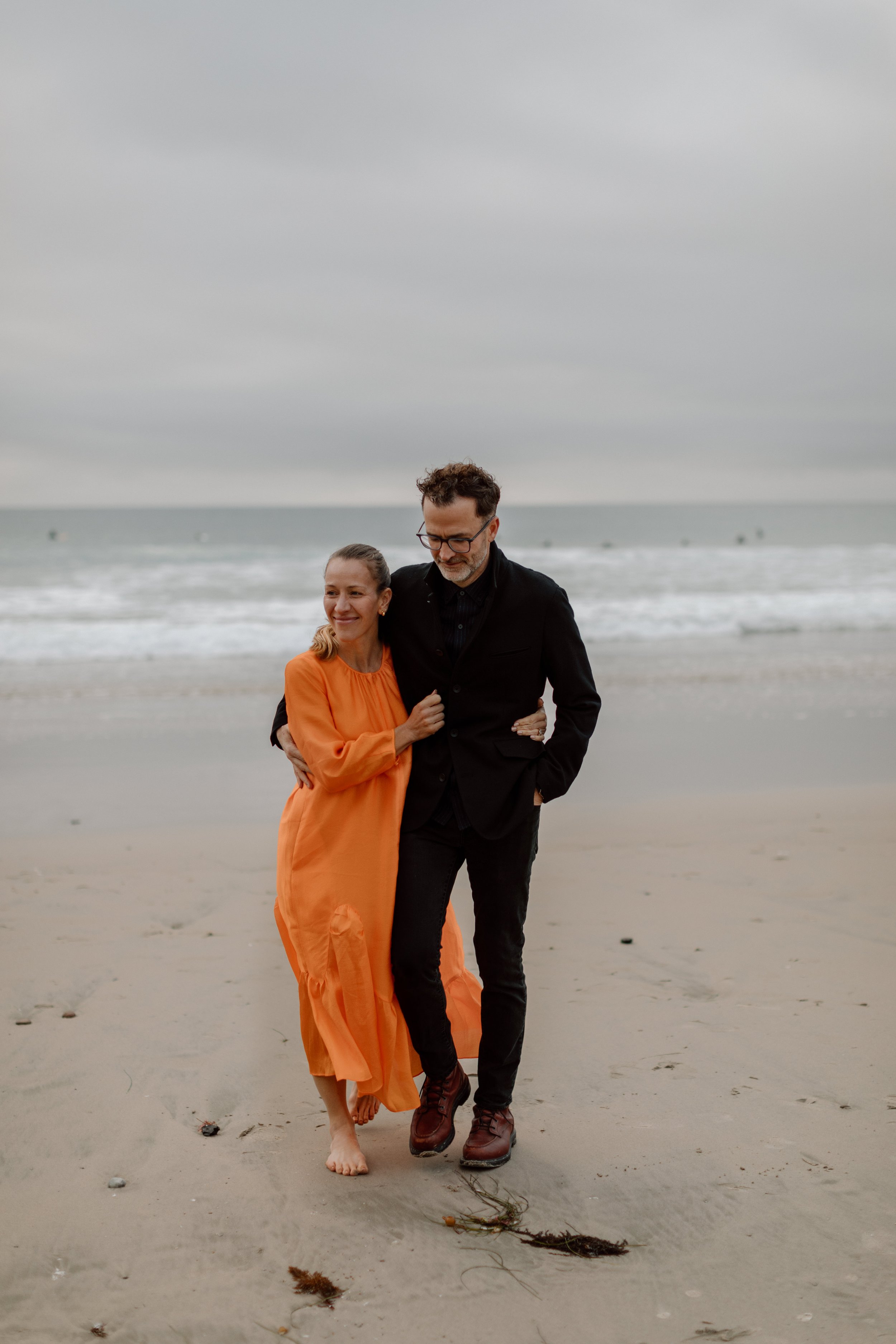
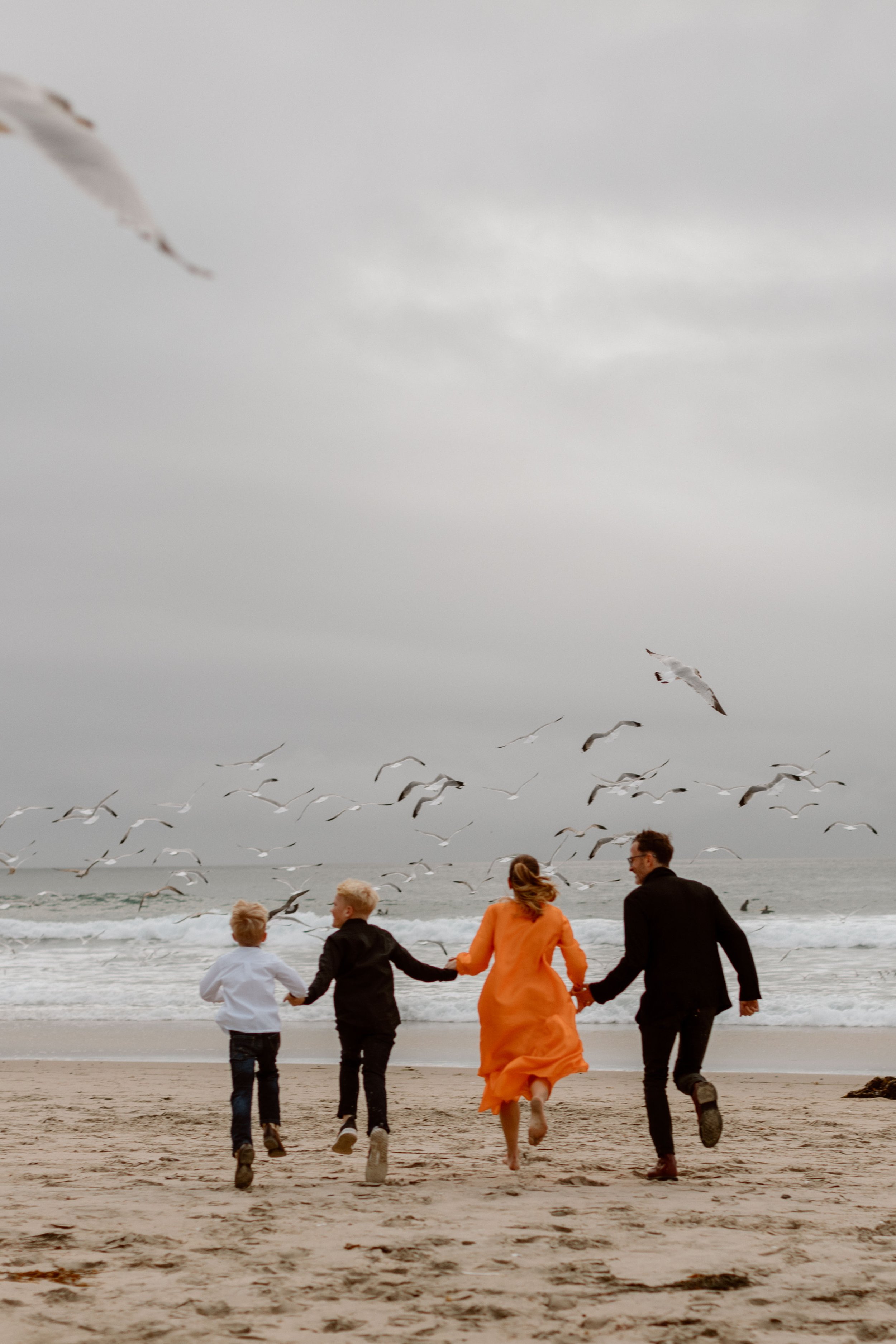
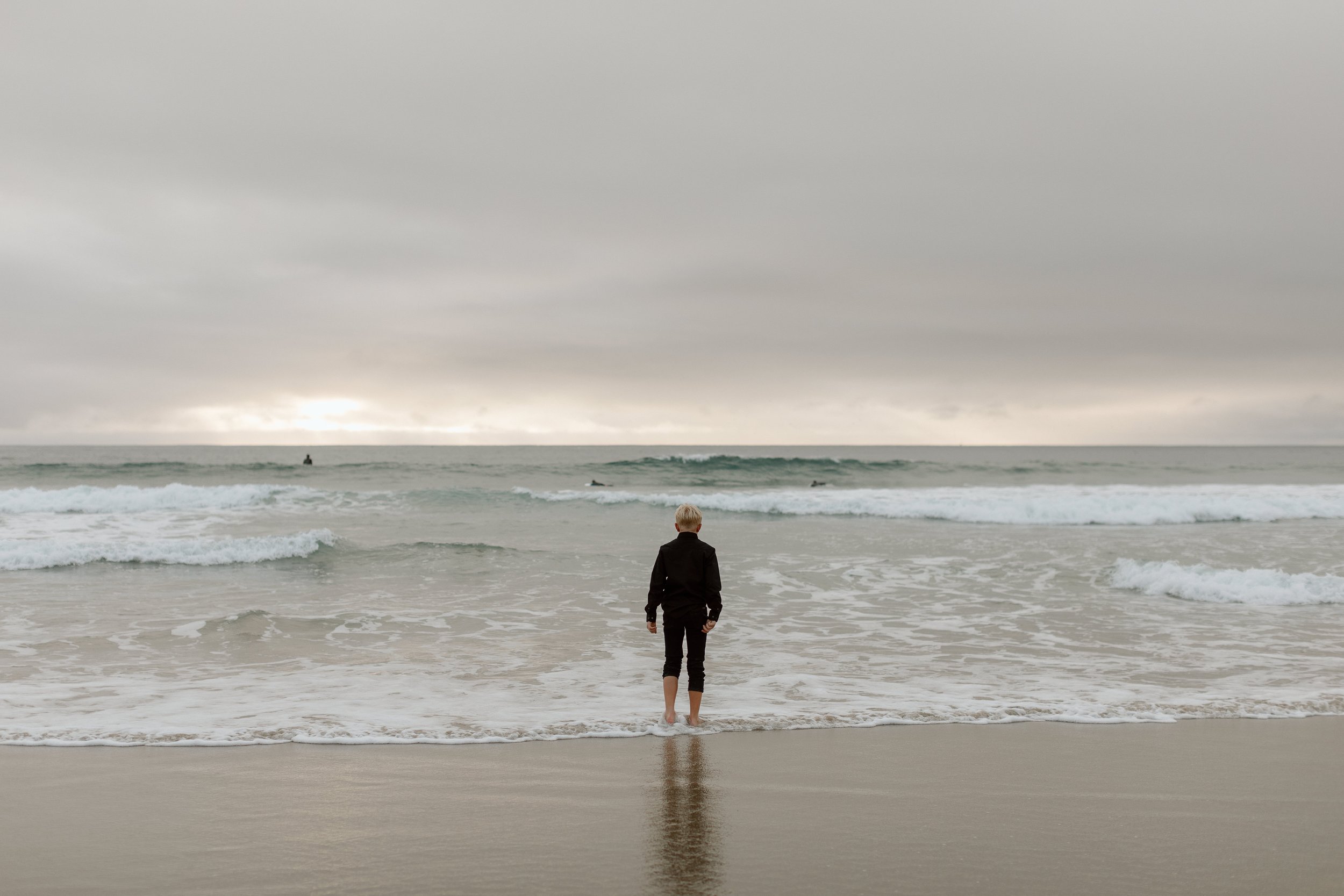
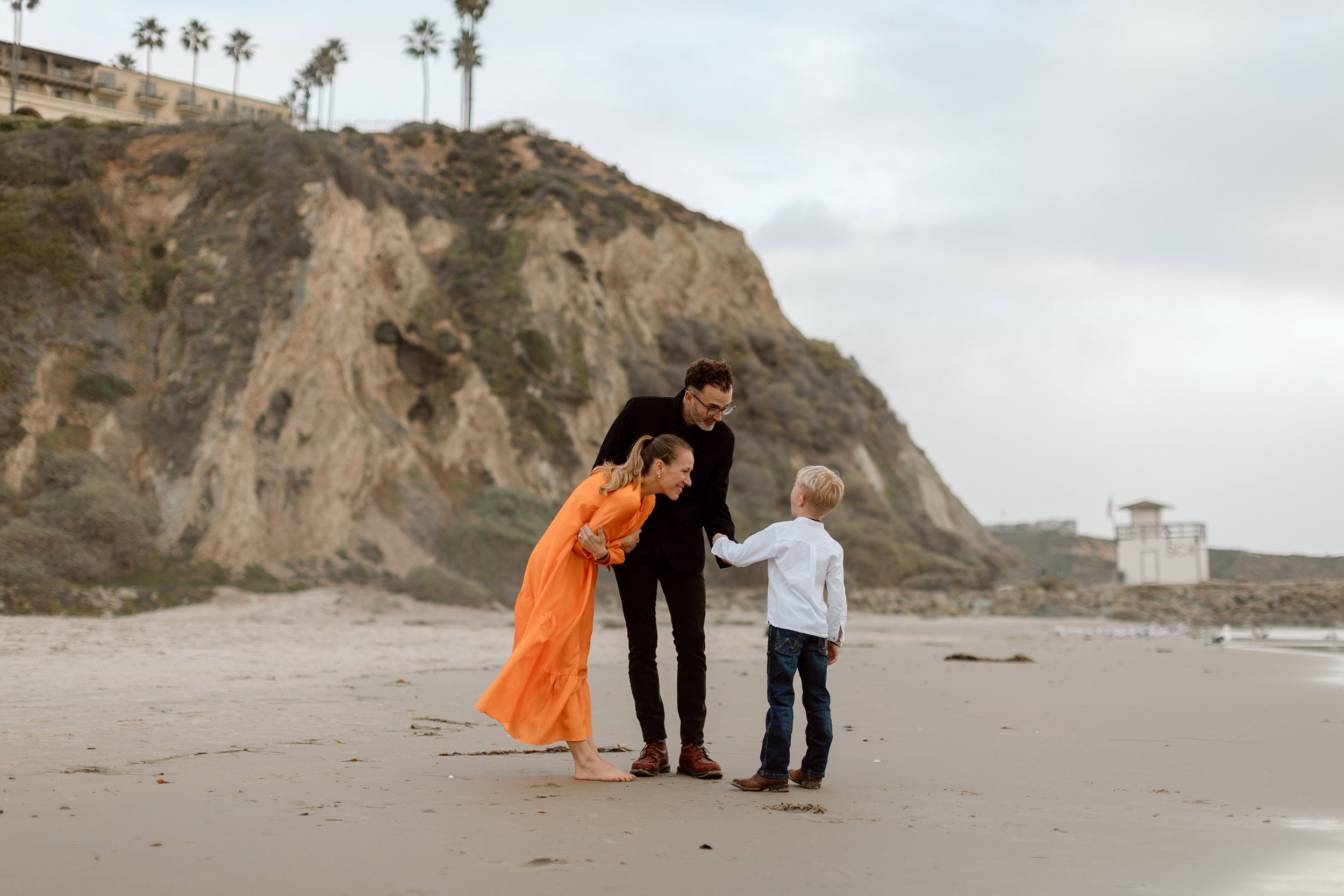
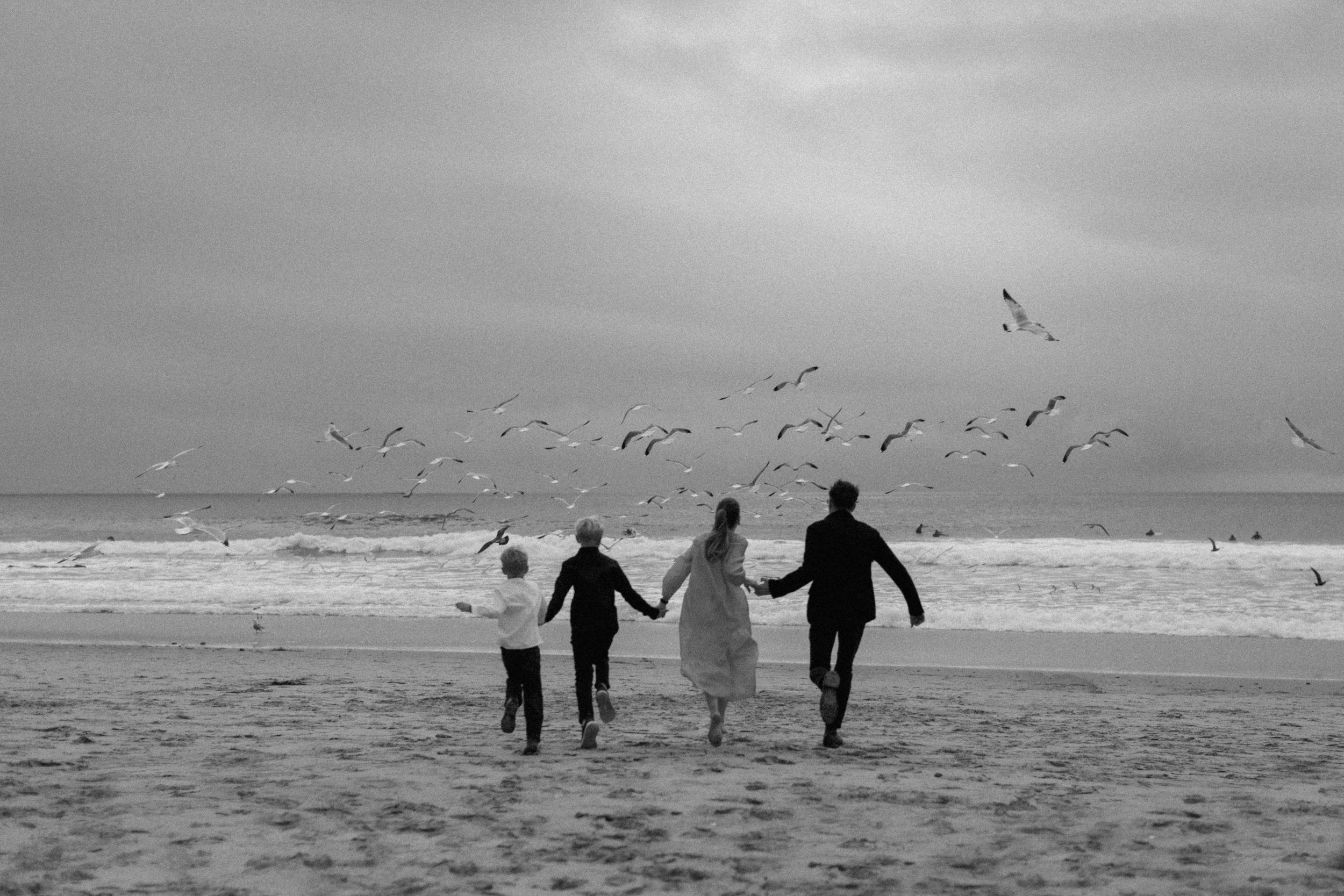
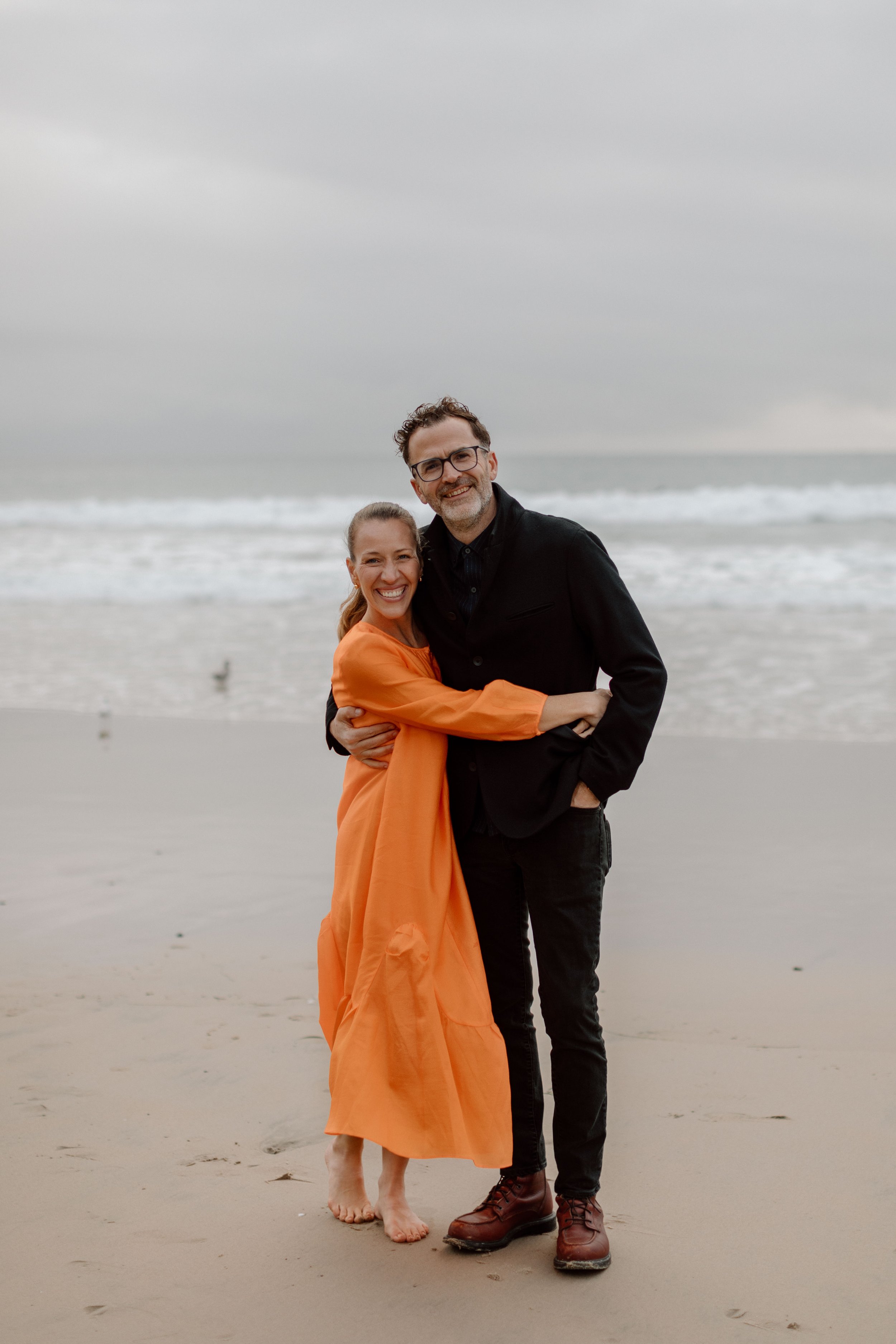
A day after our wedding in San Juan Capistrano, our family took a few pictures at nearby Salt Creek Beach. It was a cool, breezy day, and the wind was at our backs. Overjoyed and exhausted by the festivities from the day before, we rallied around the ocean and each other. Here are a few of our favorites, captured by Alyssa Brooke.



Our Wedding

December 29, 2022
Angela & Bobby George
San Juan Capistrano, California
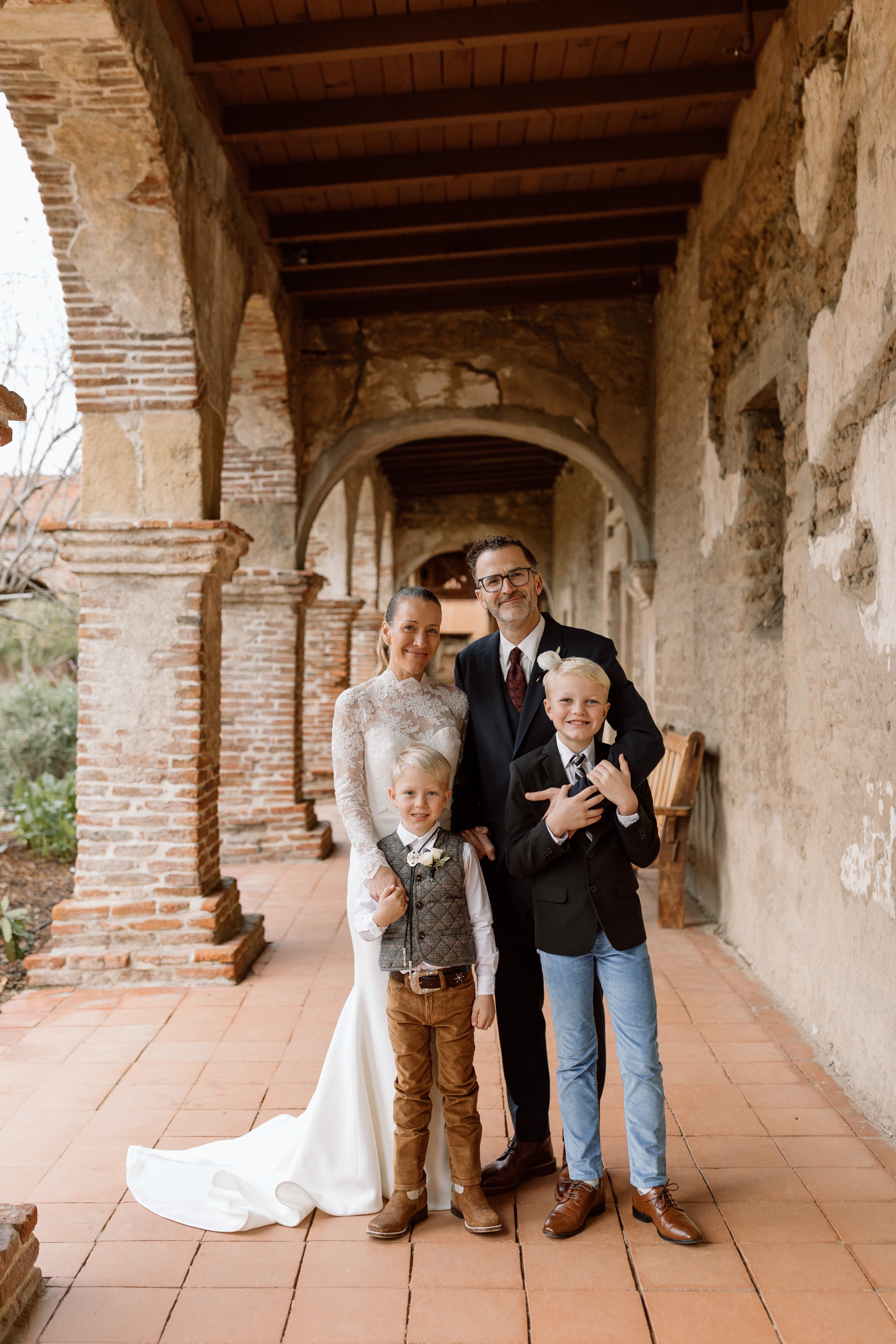
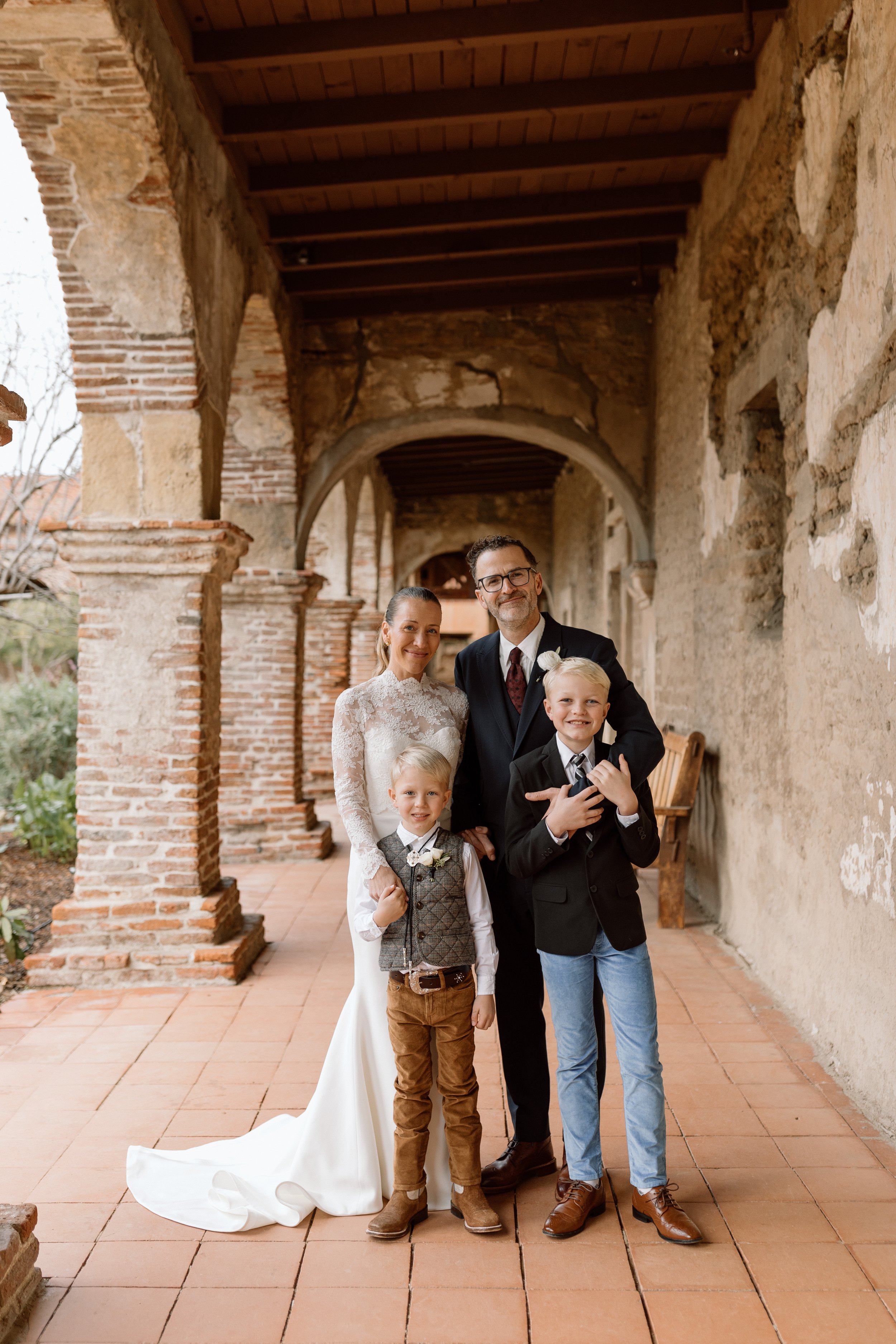
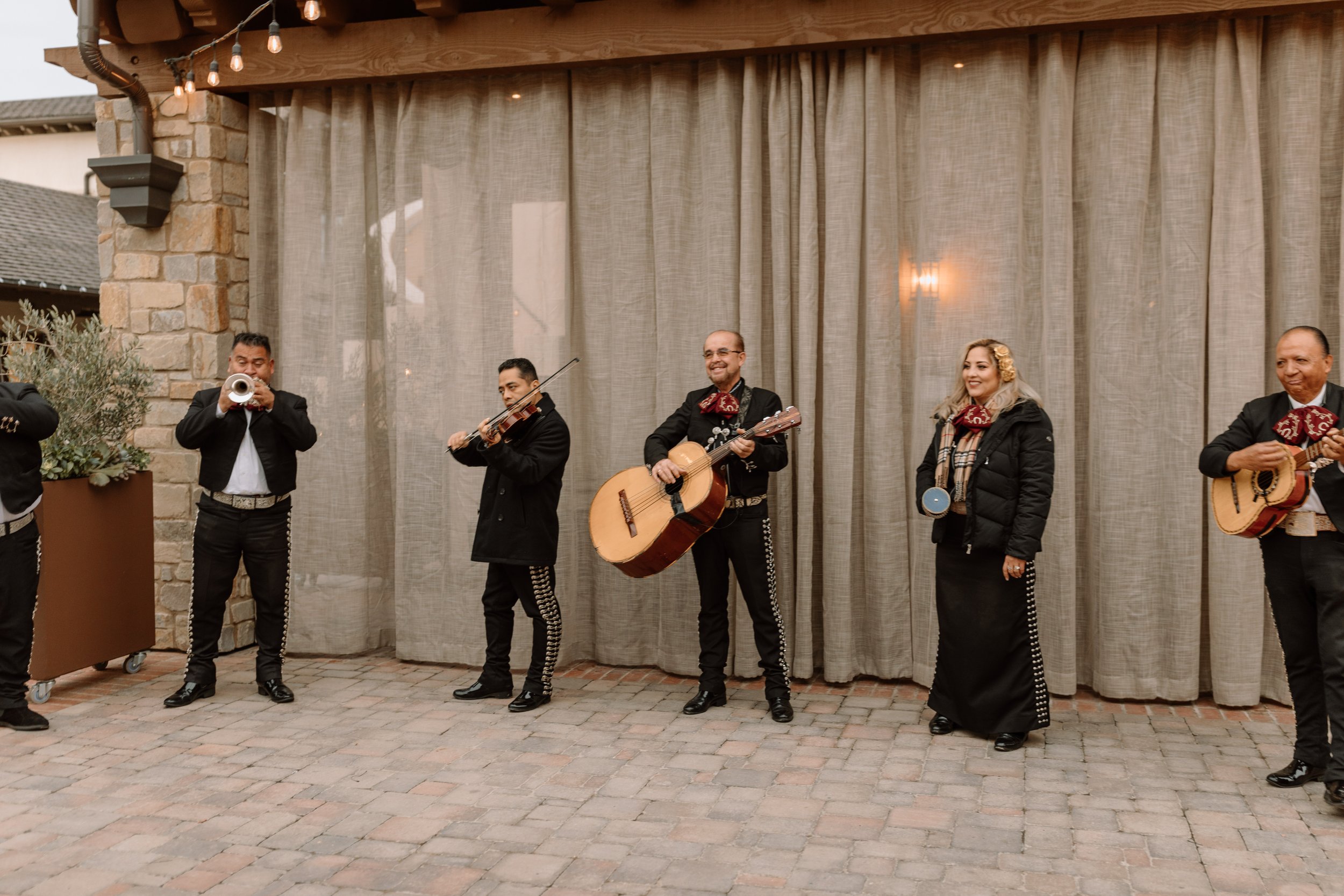
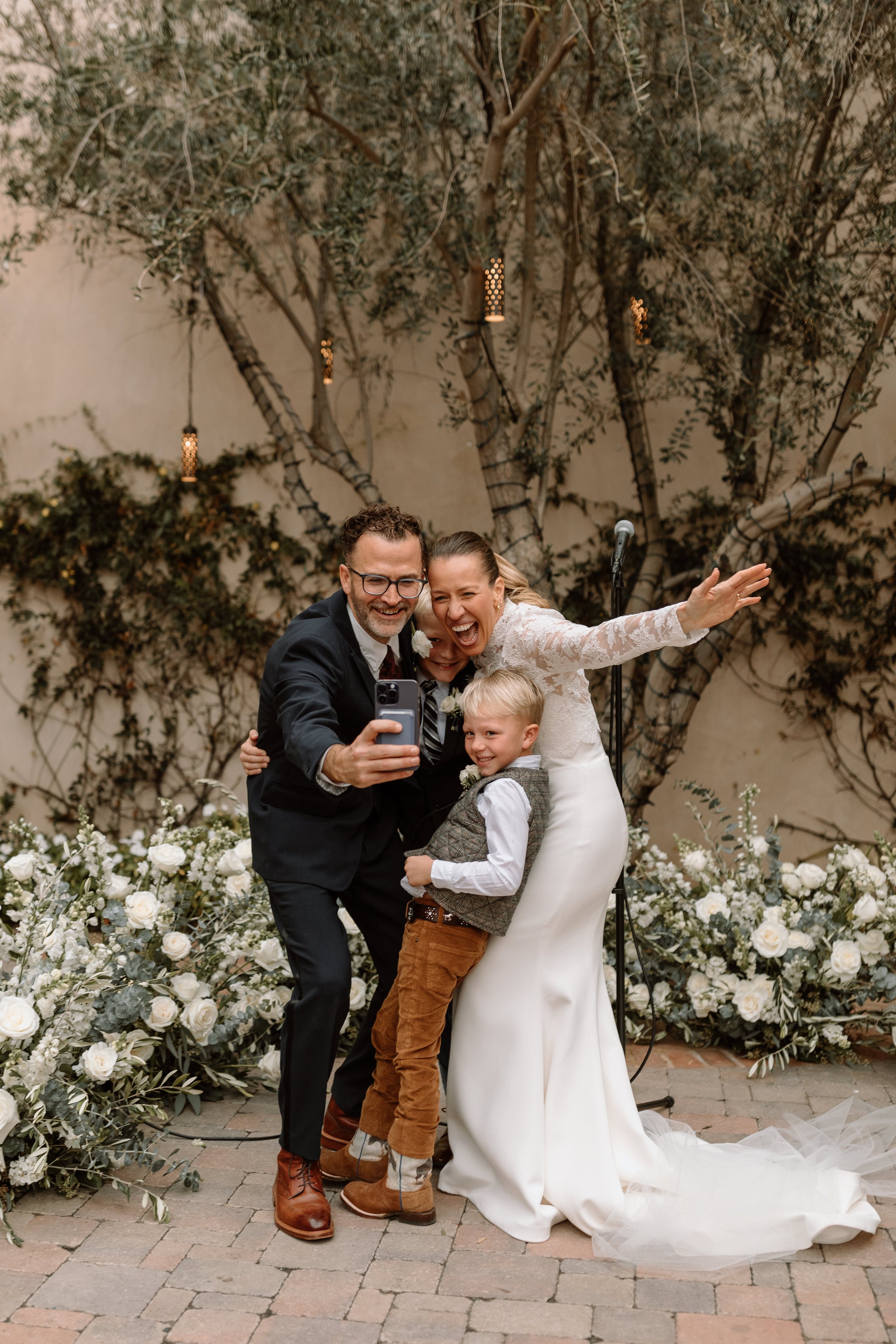
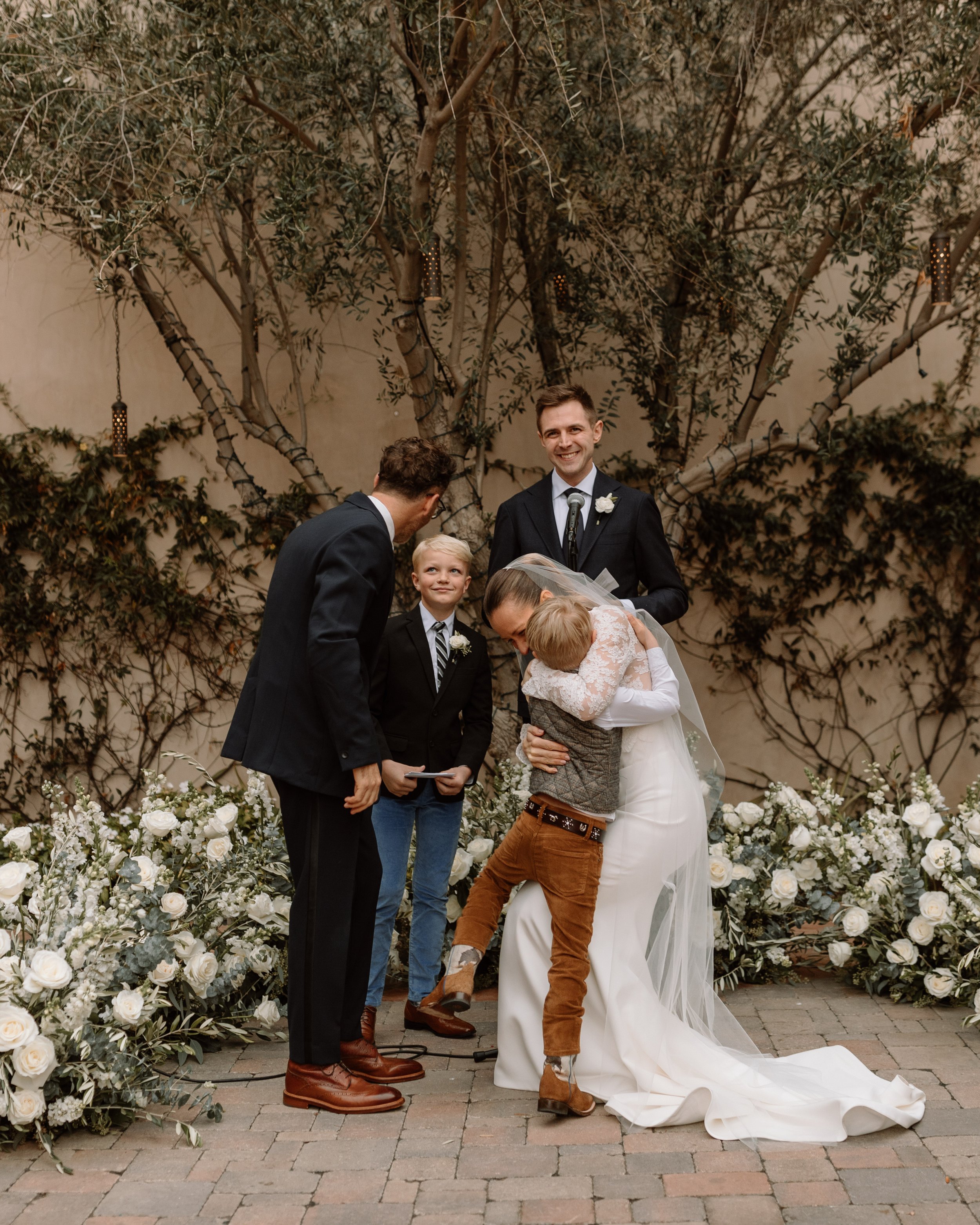
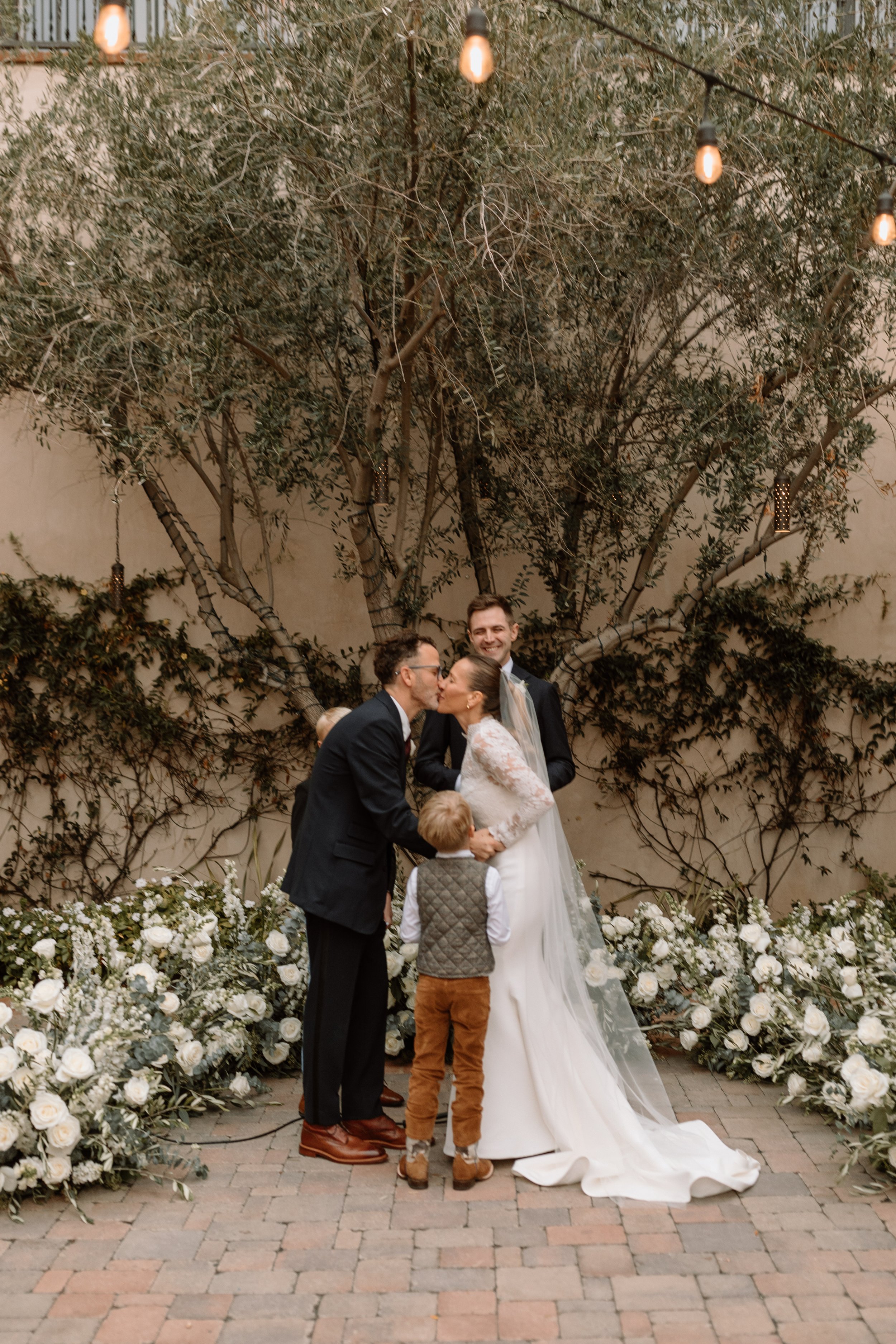
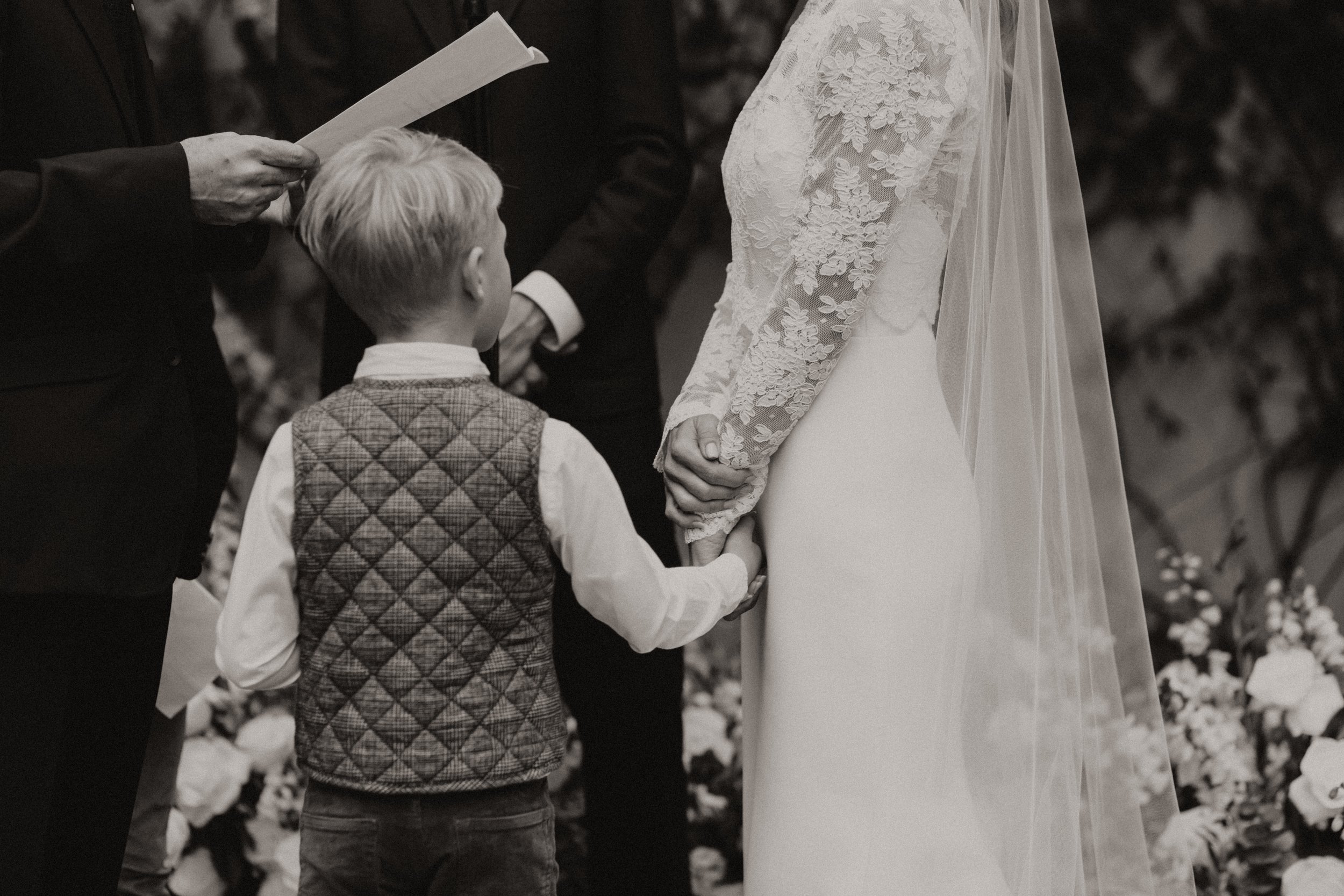
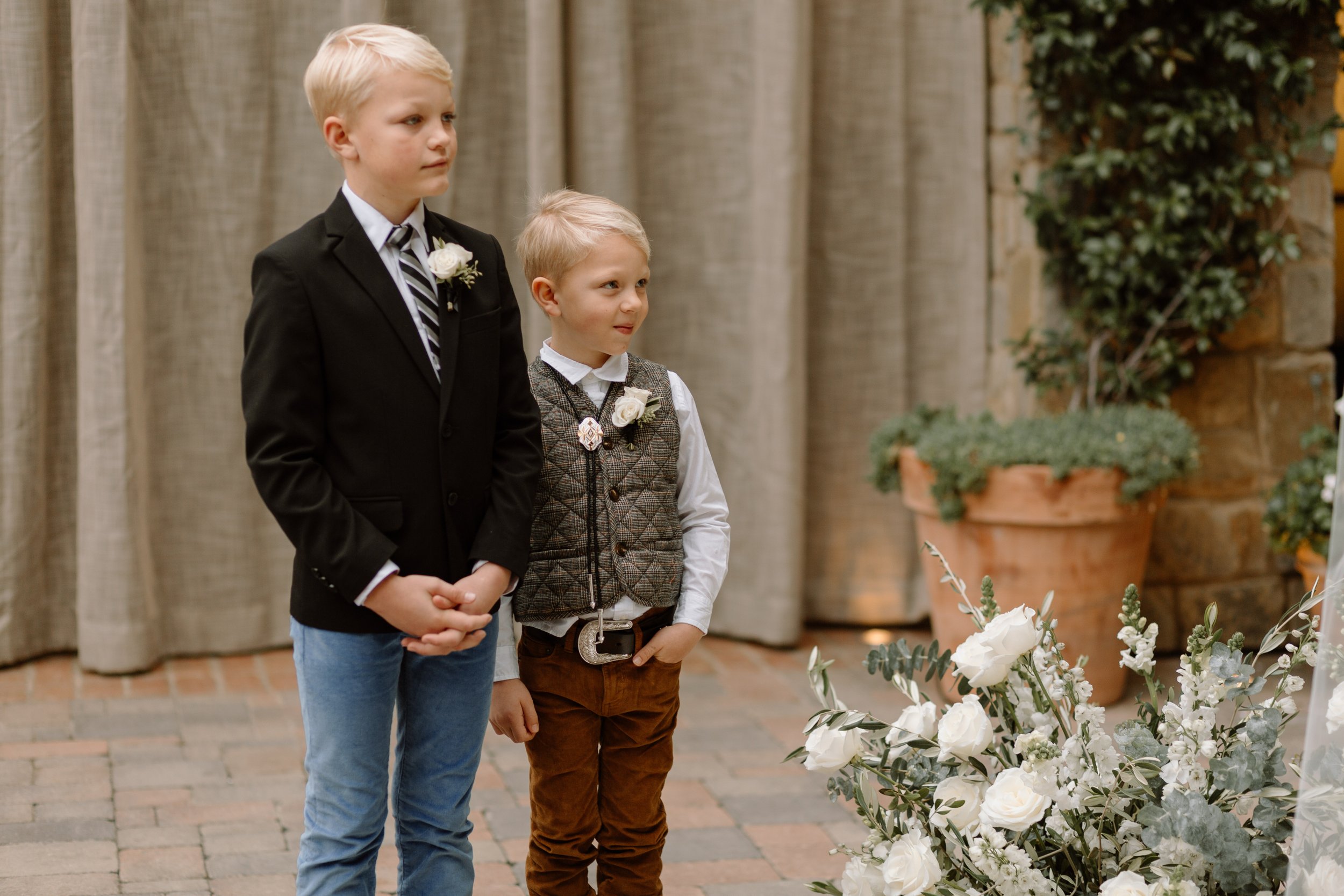
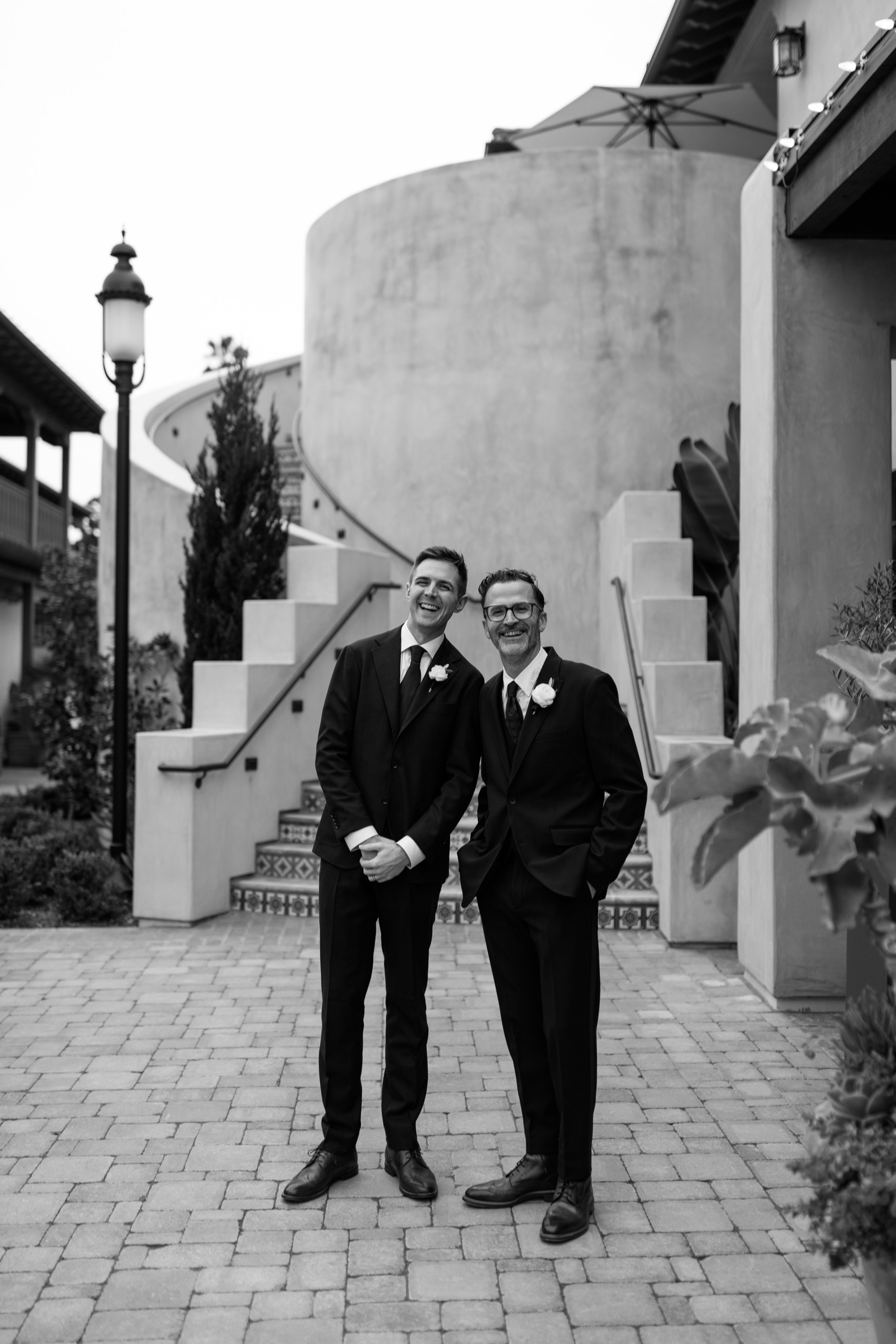
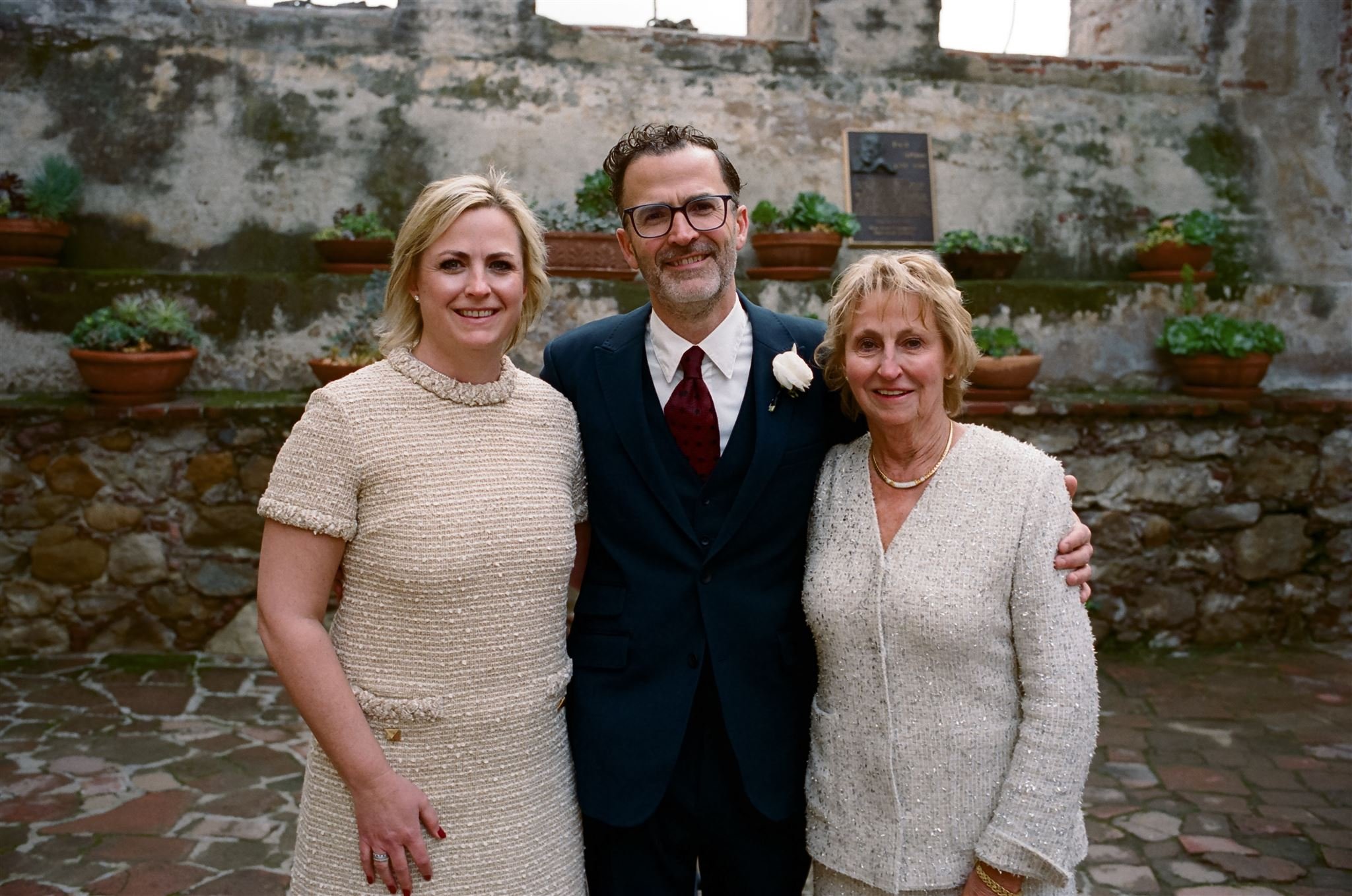
Angela and I were married in a magical little ceremony, accompanied by family, at the Inn at the Mission, San Juan Capistrano, California.

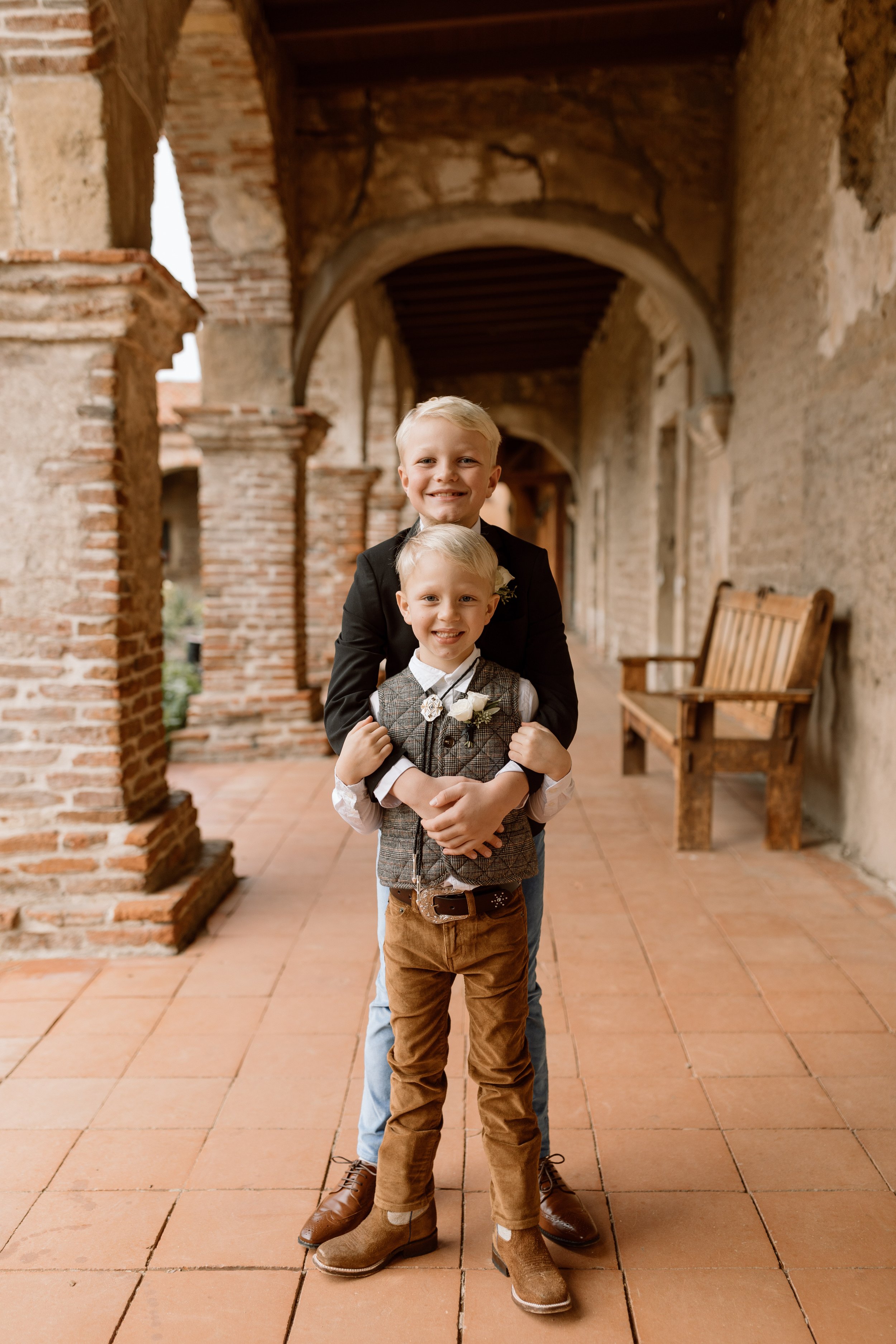
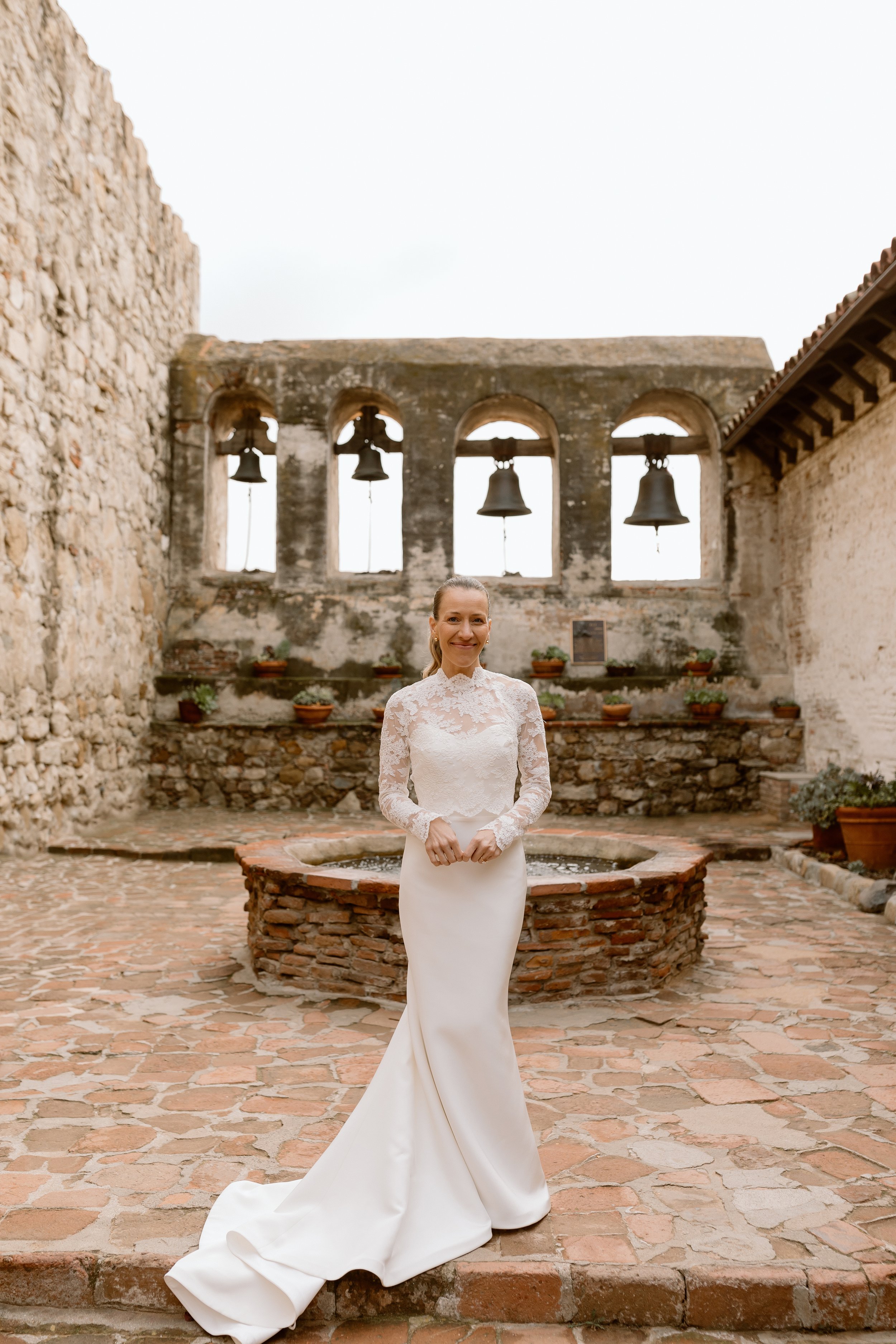

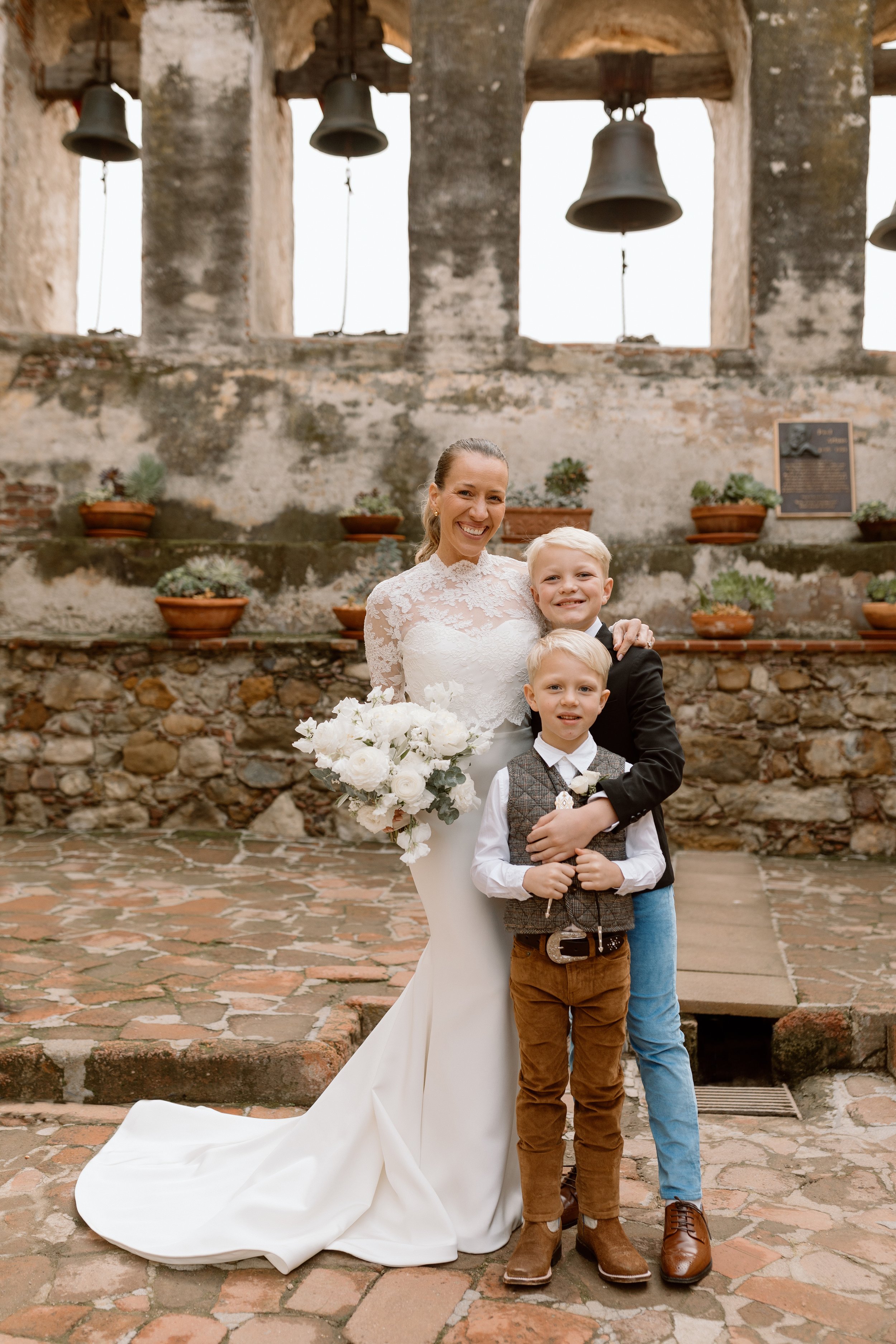
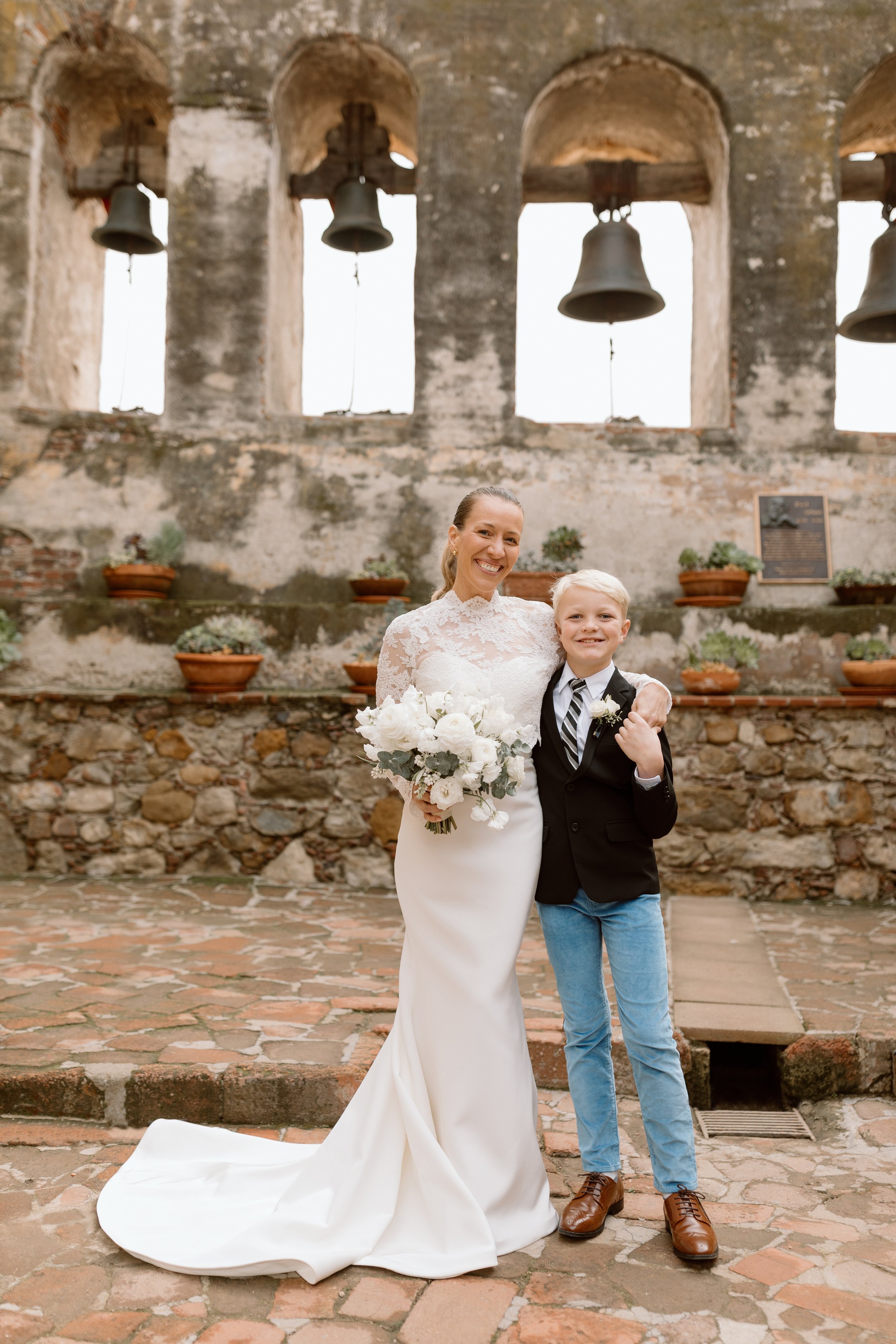
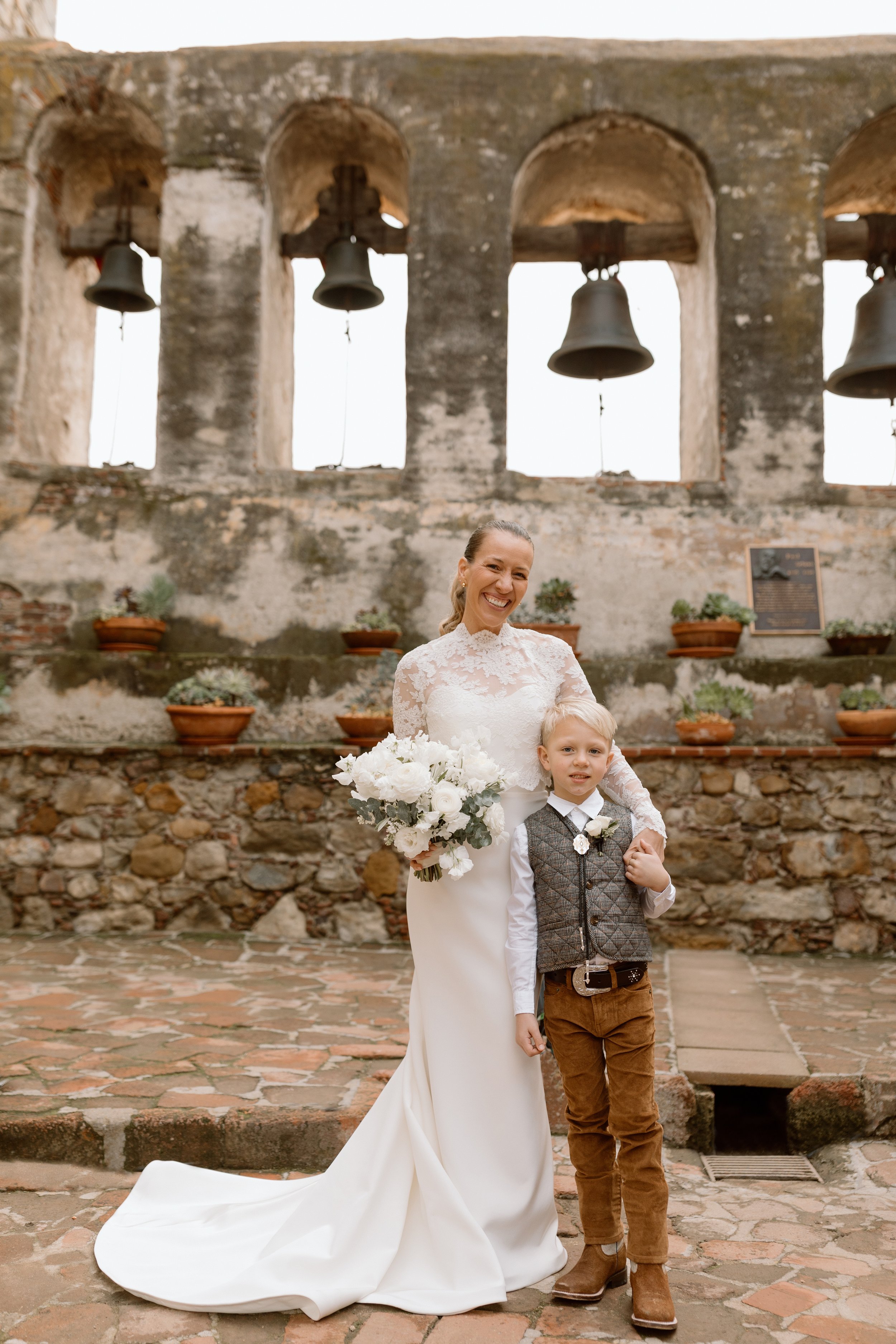
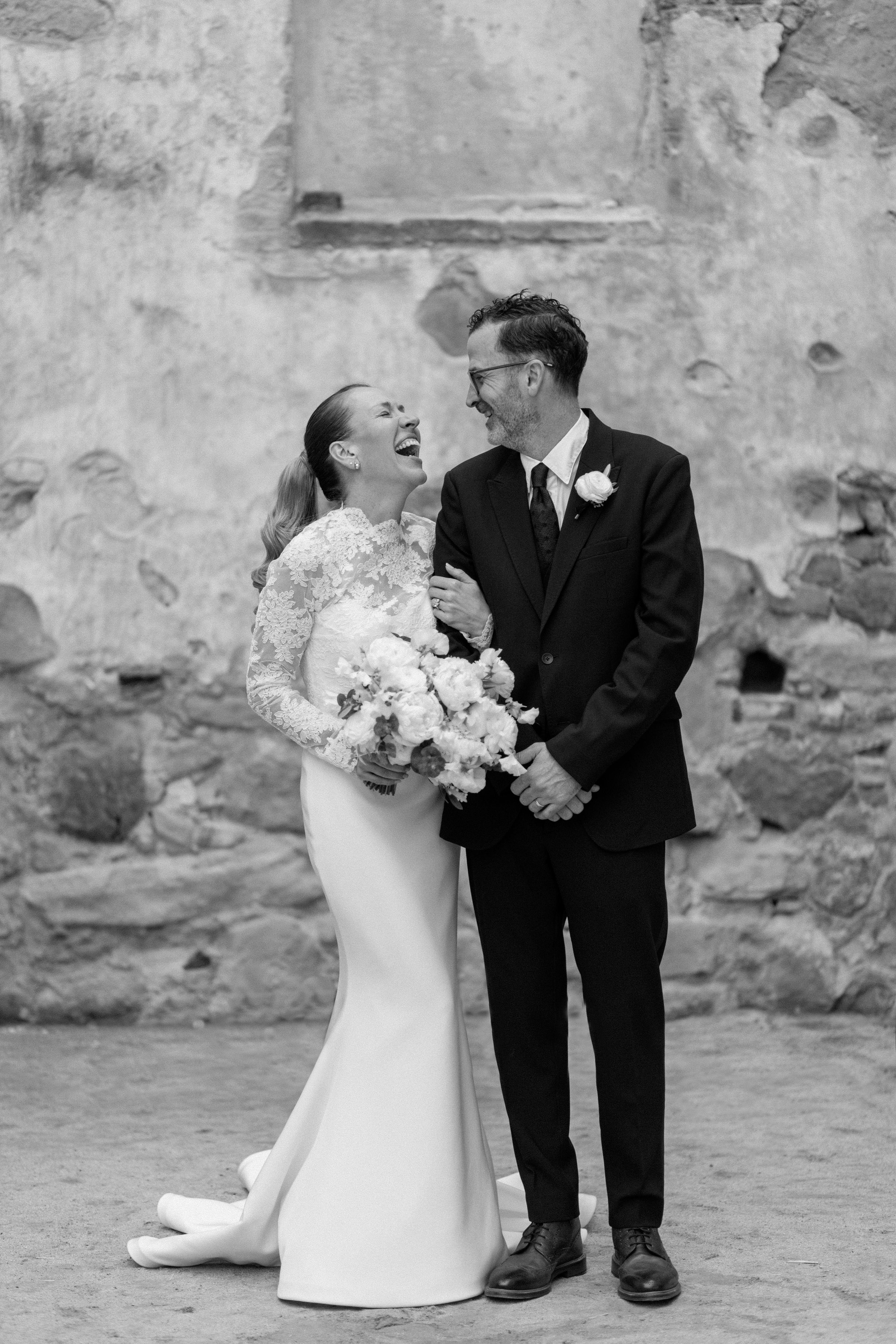
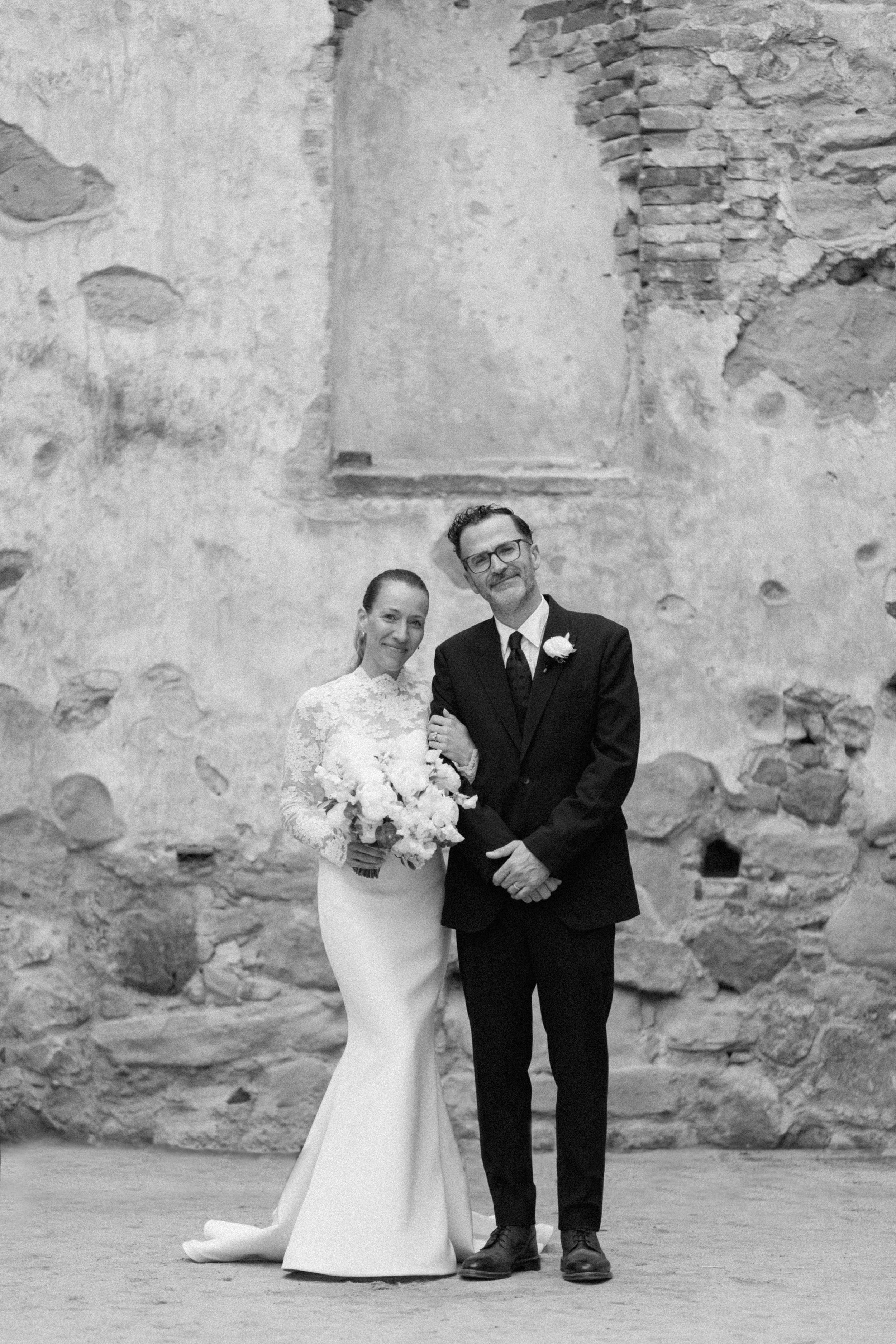
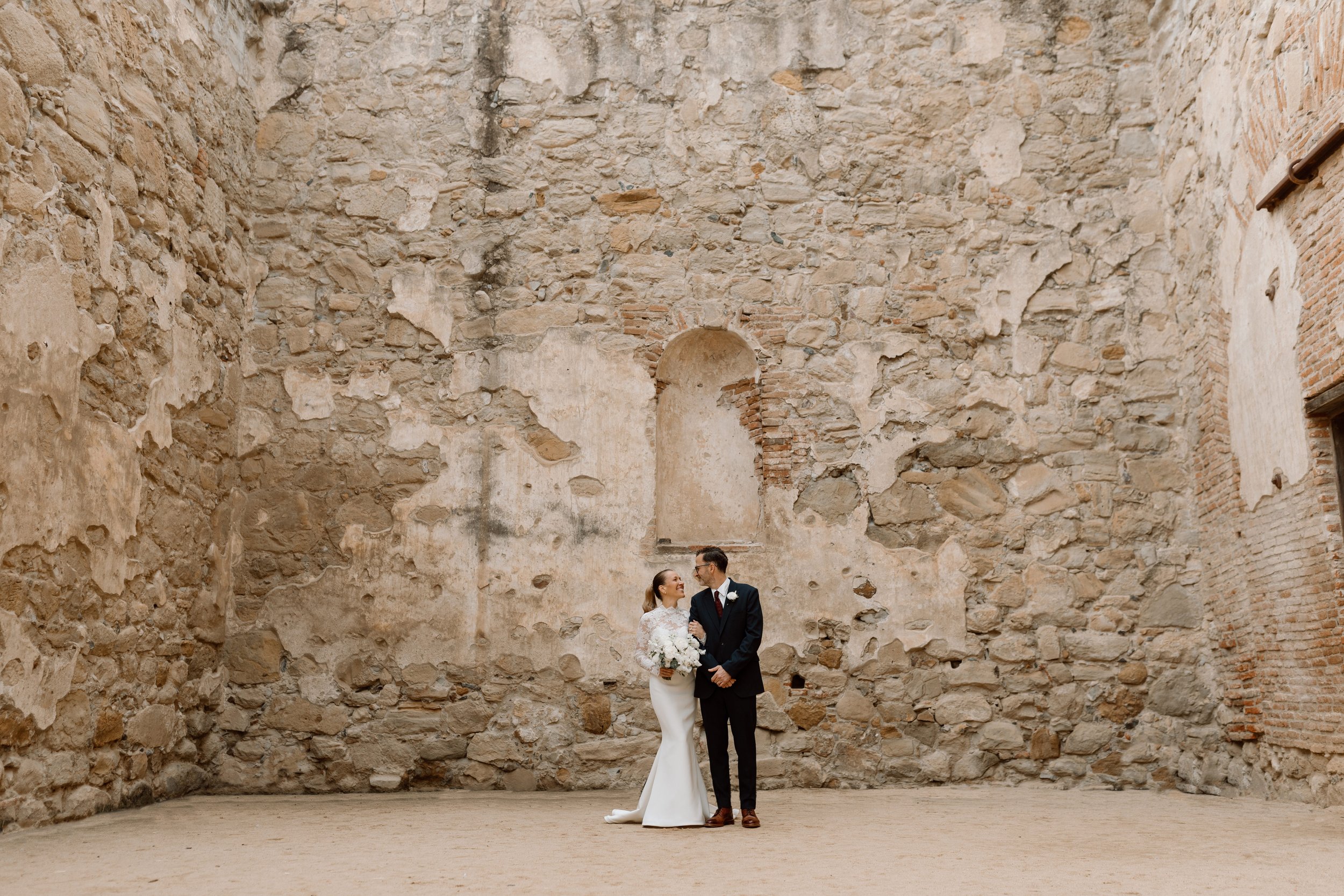
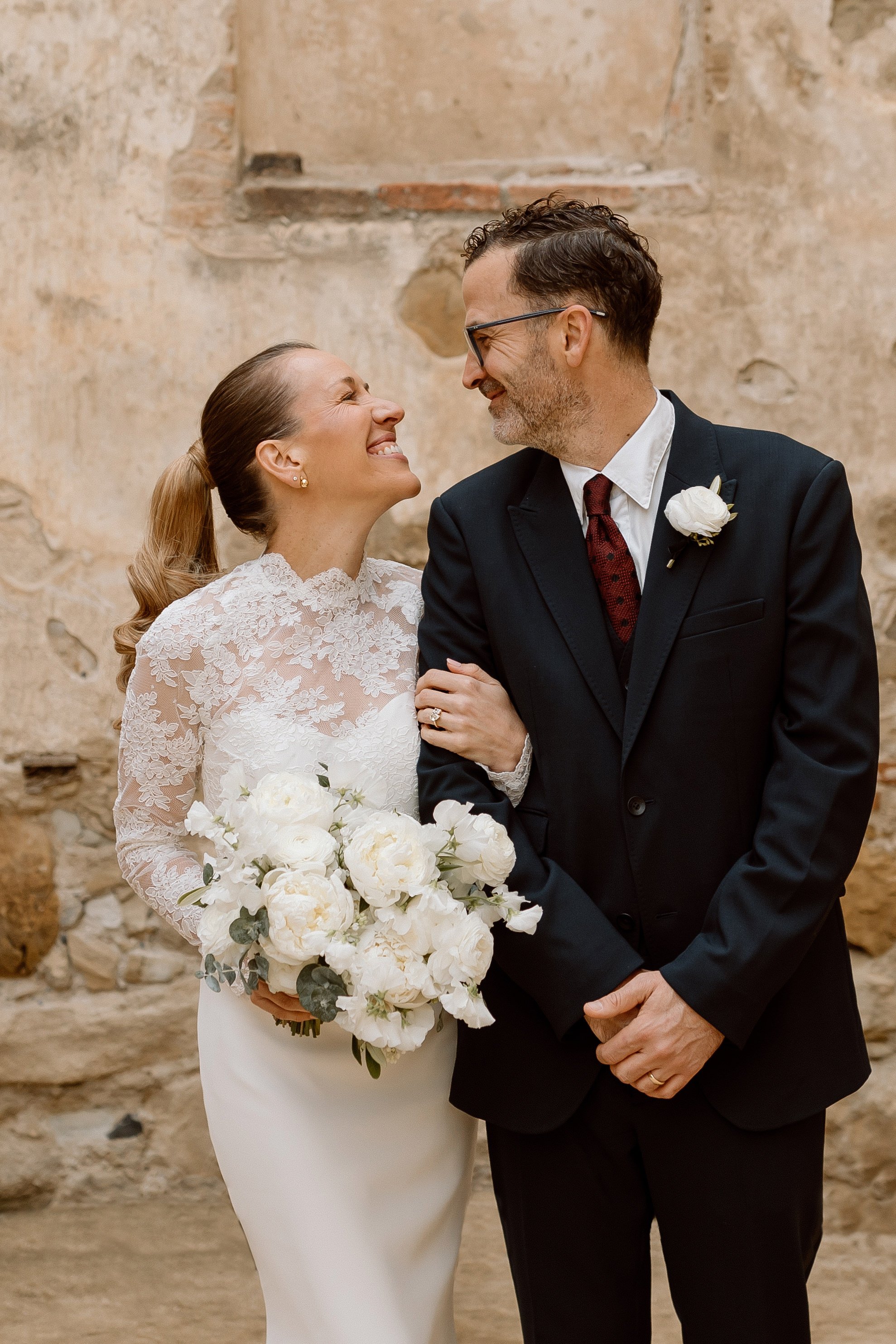
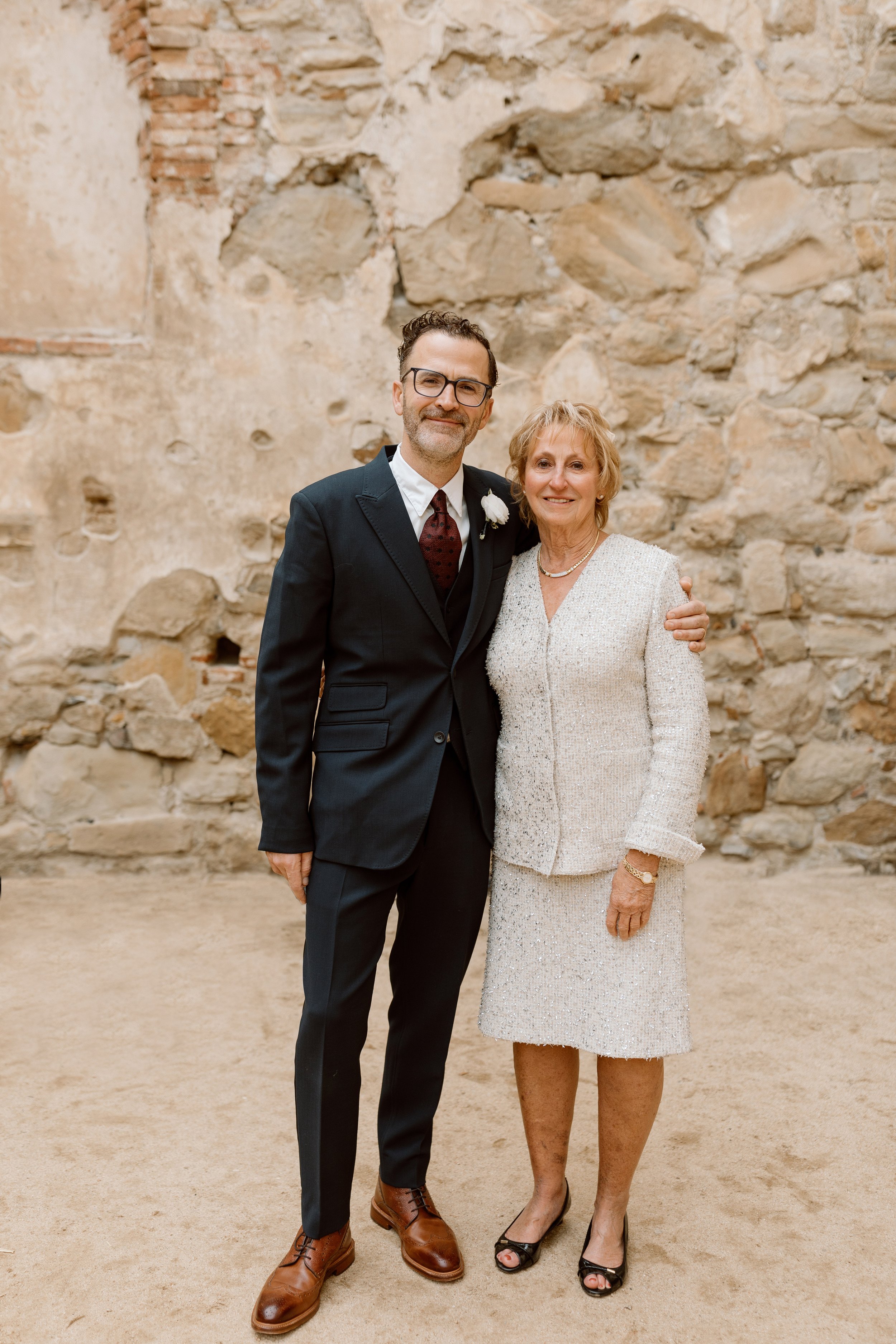
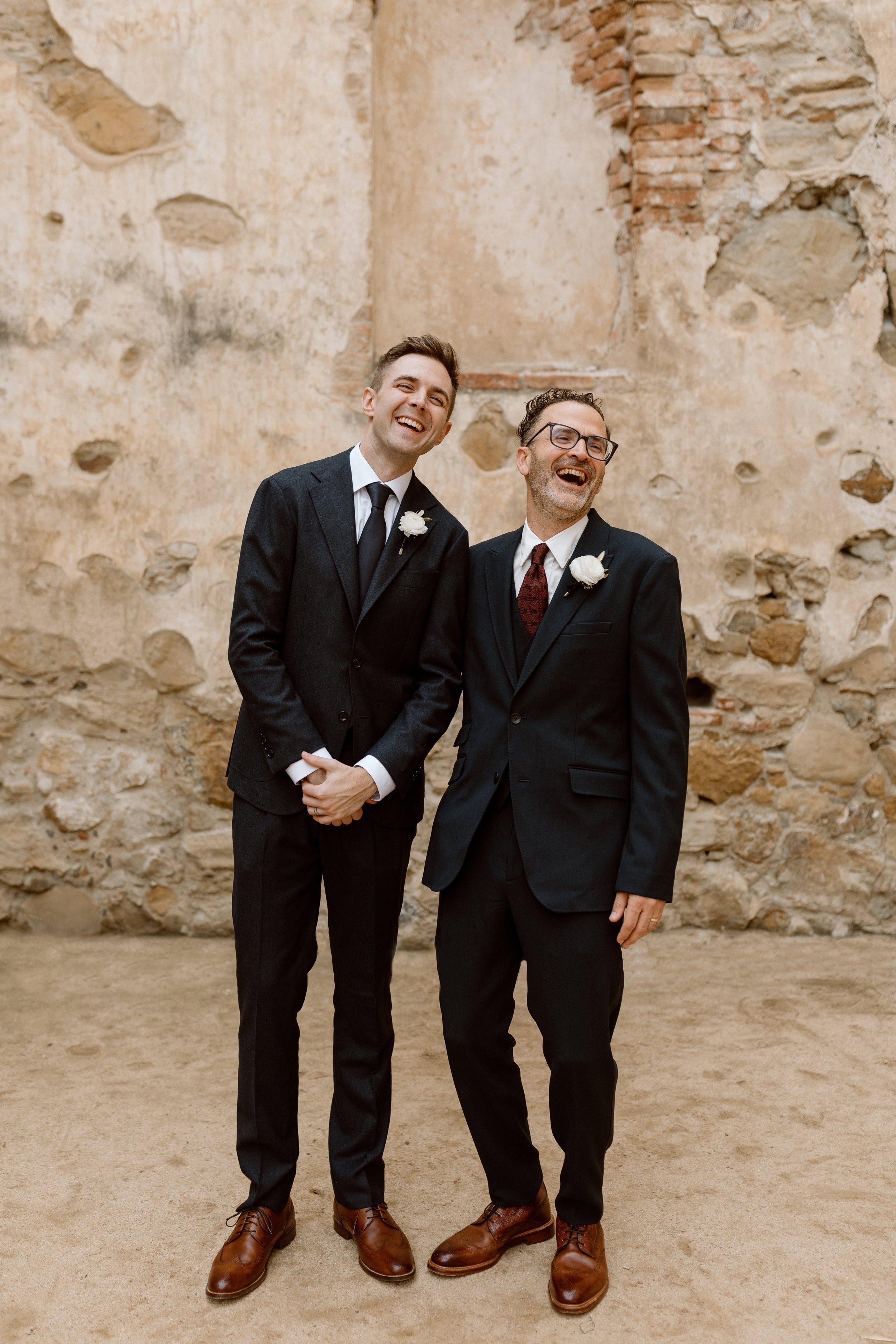
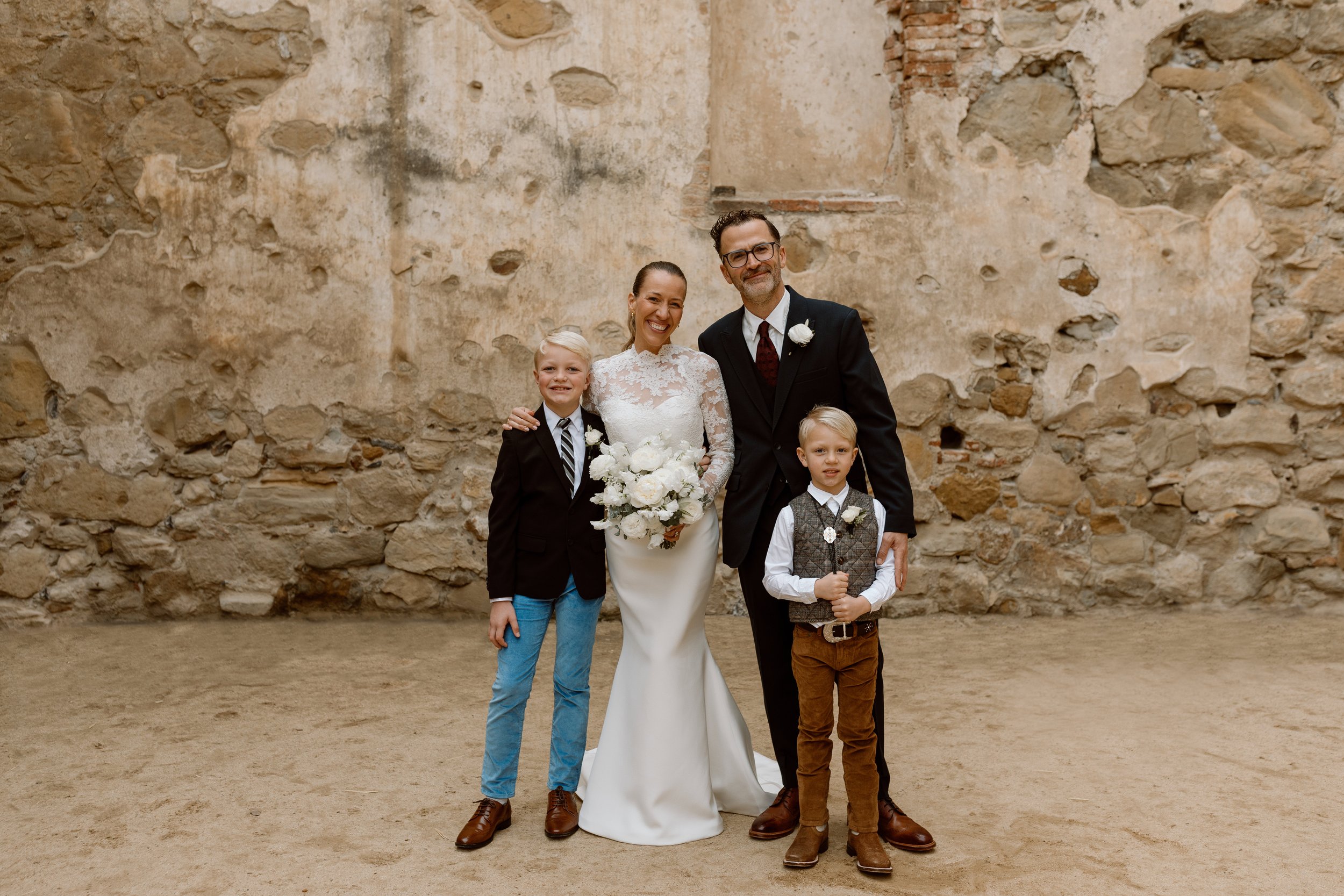
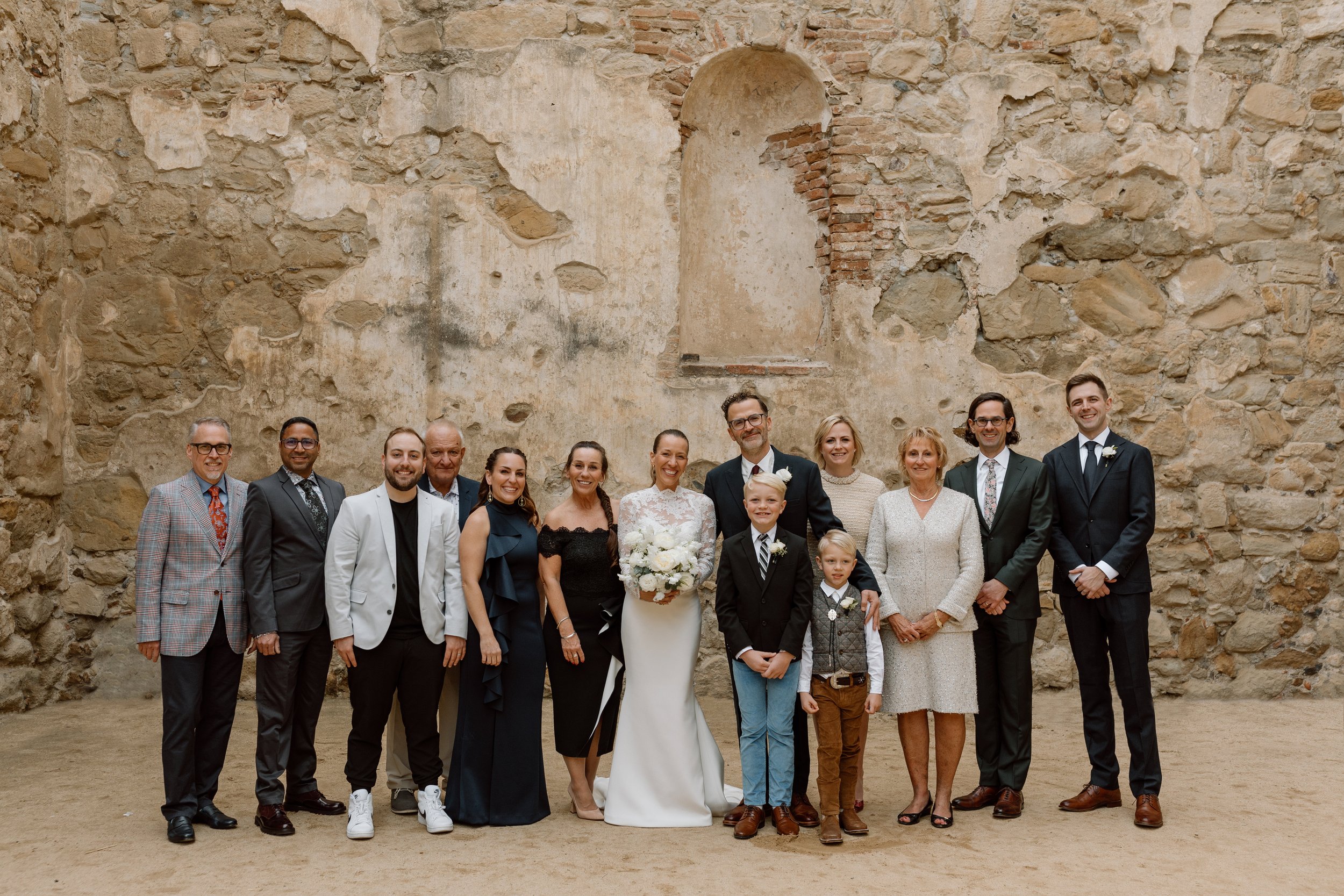
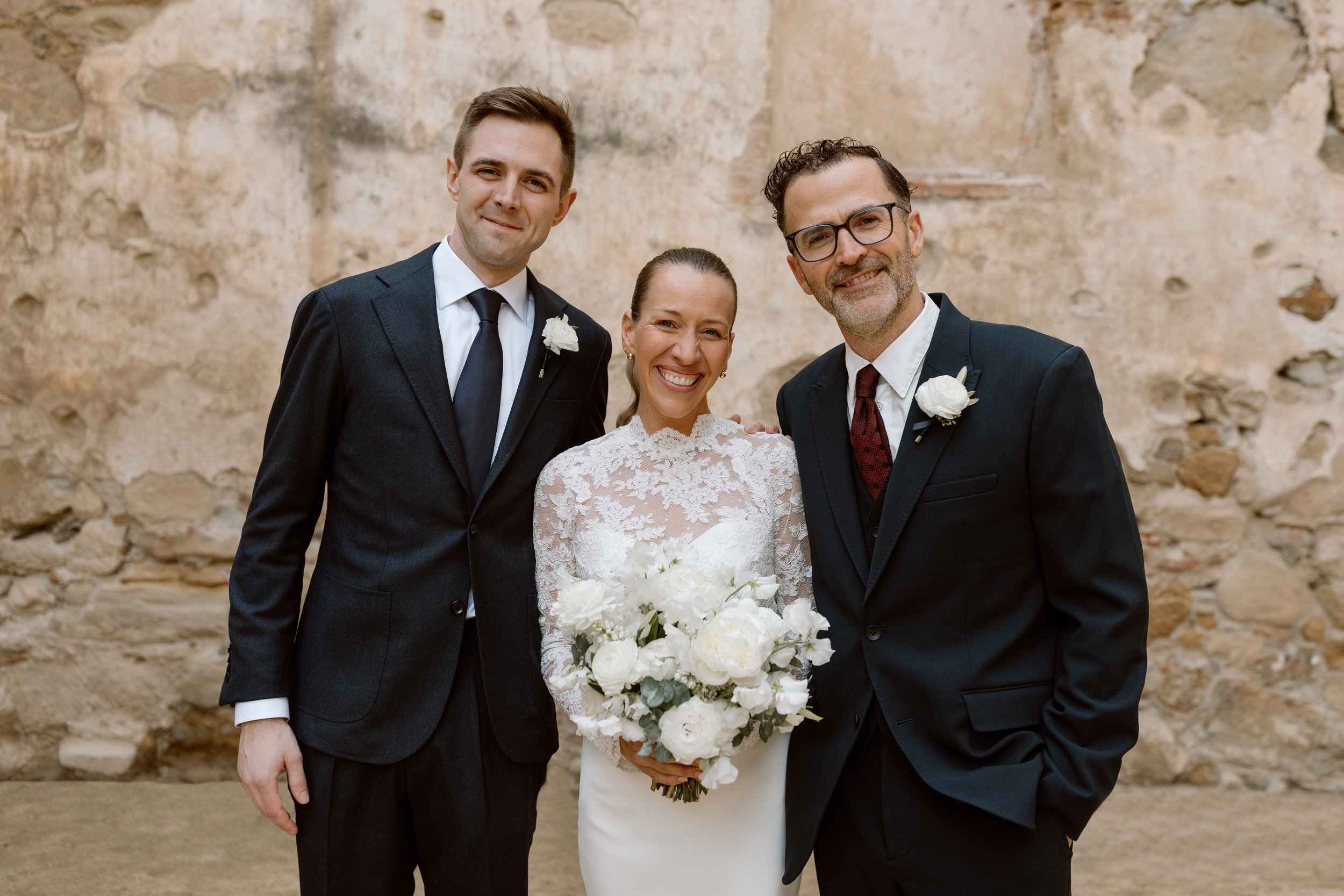
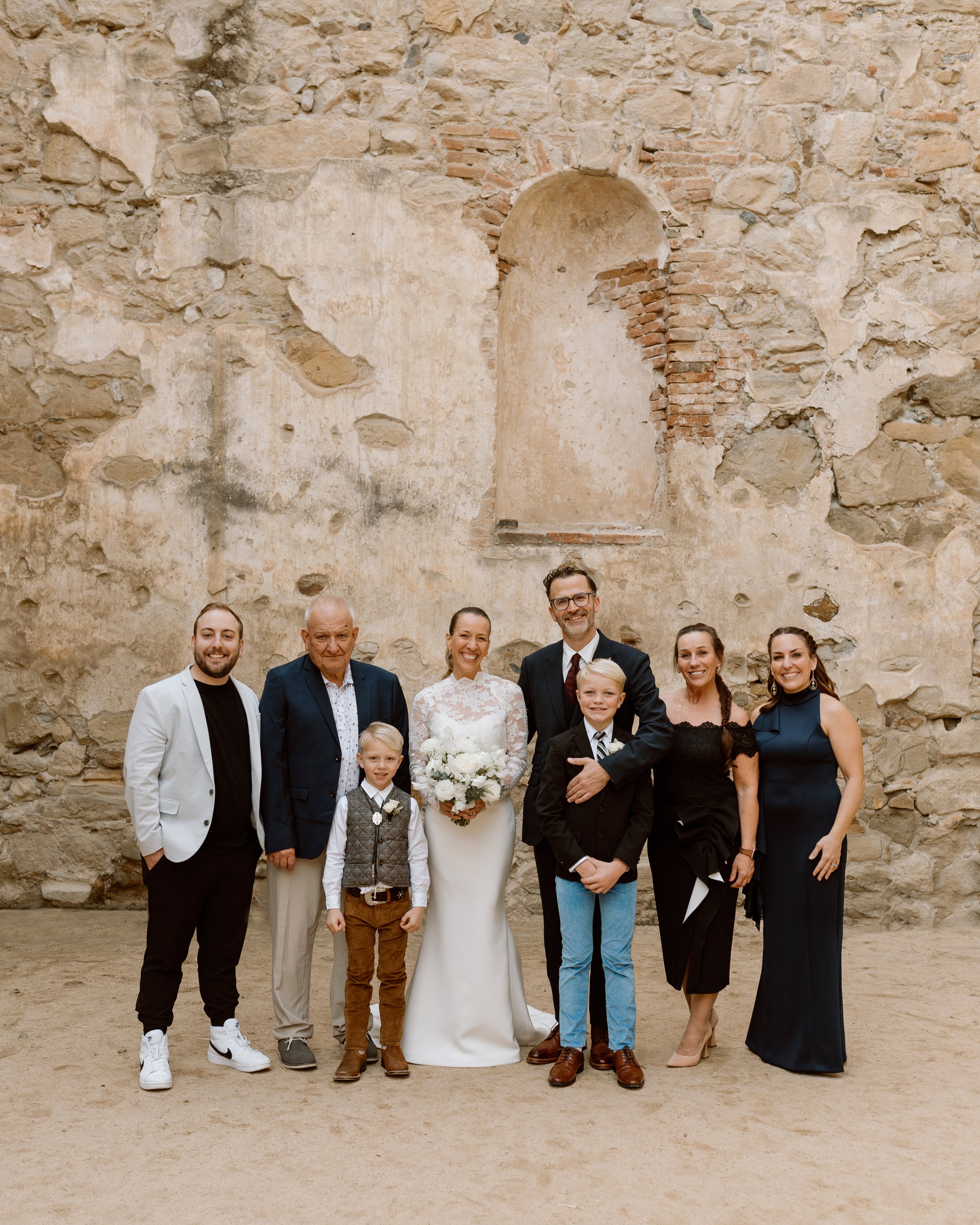
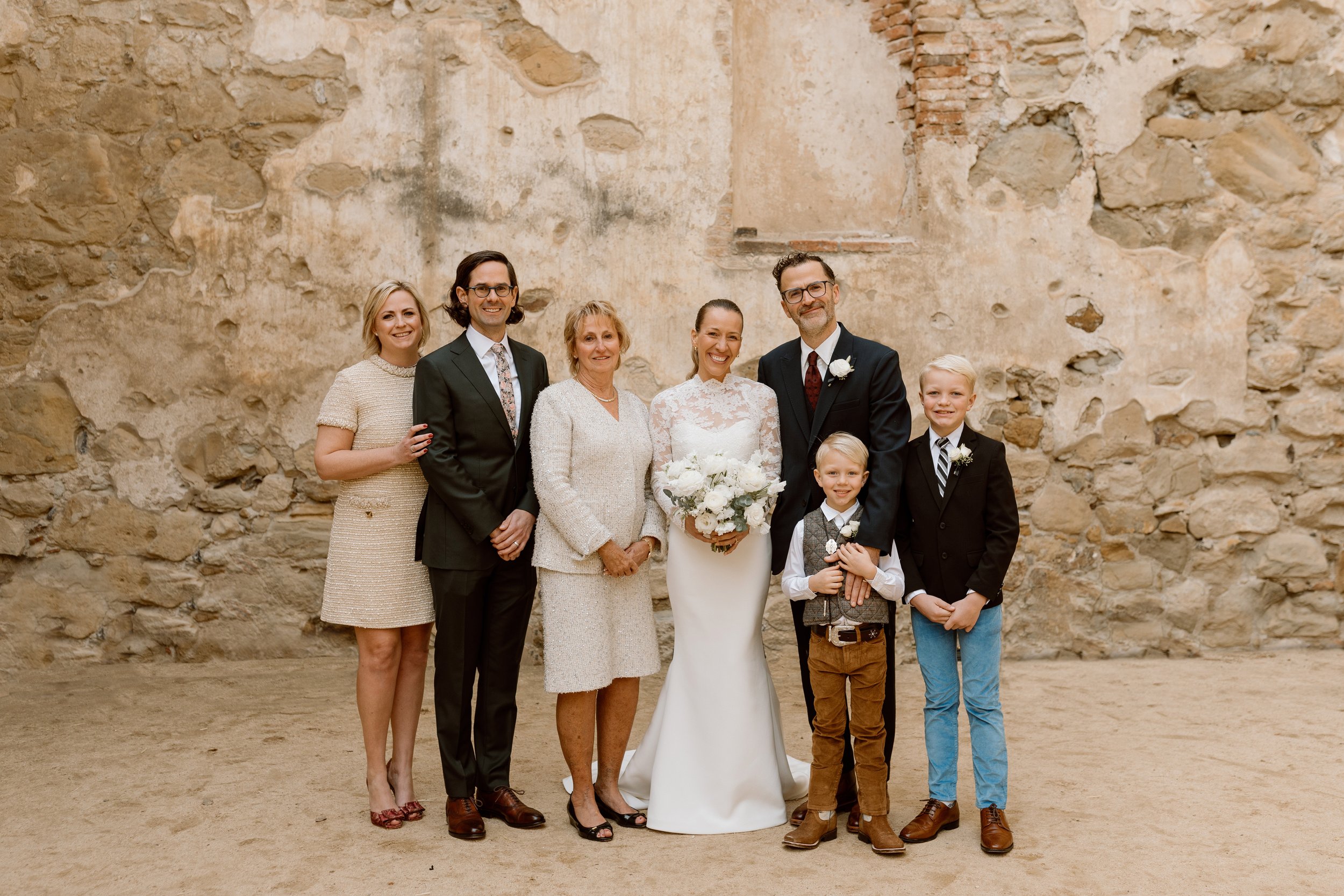



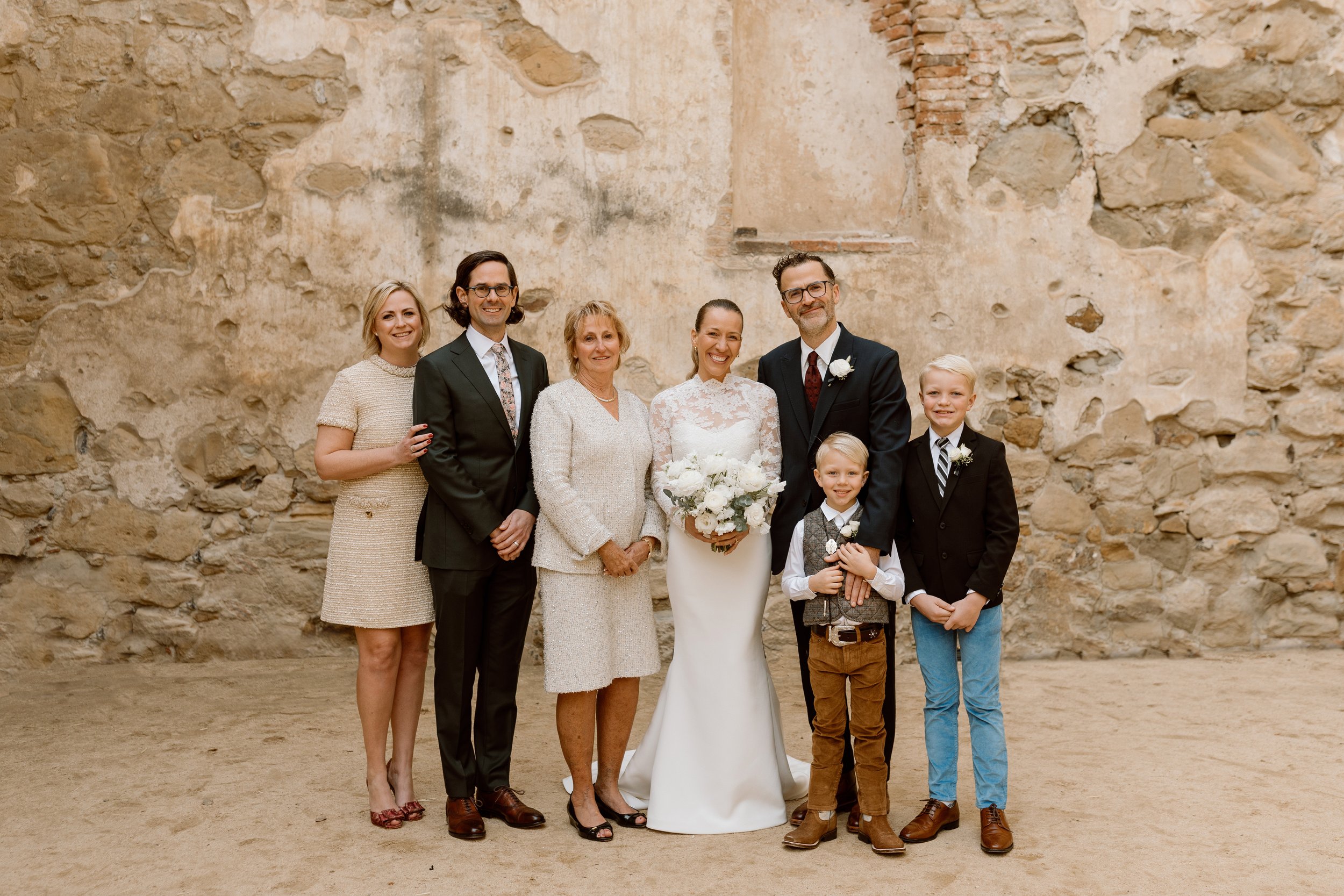

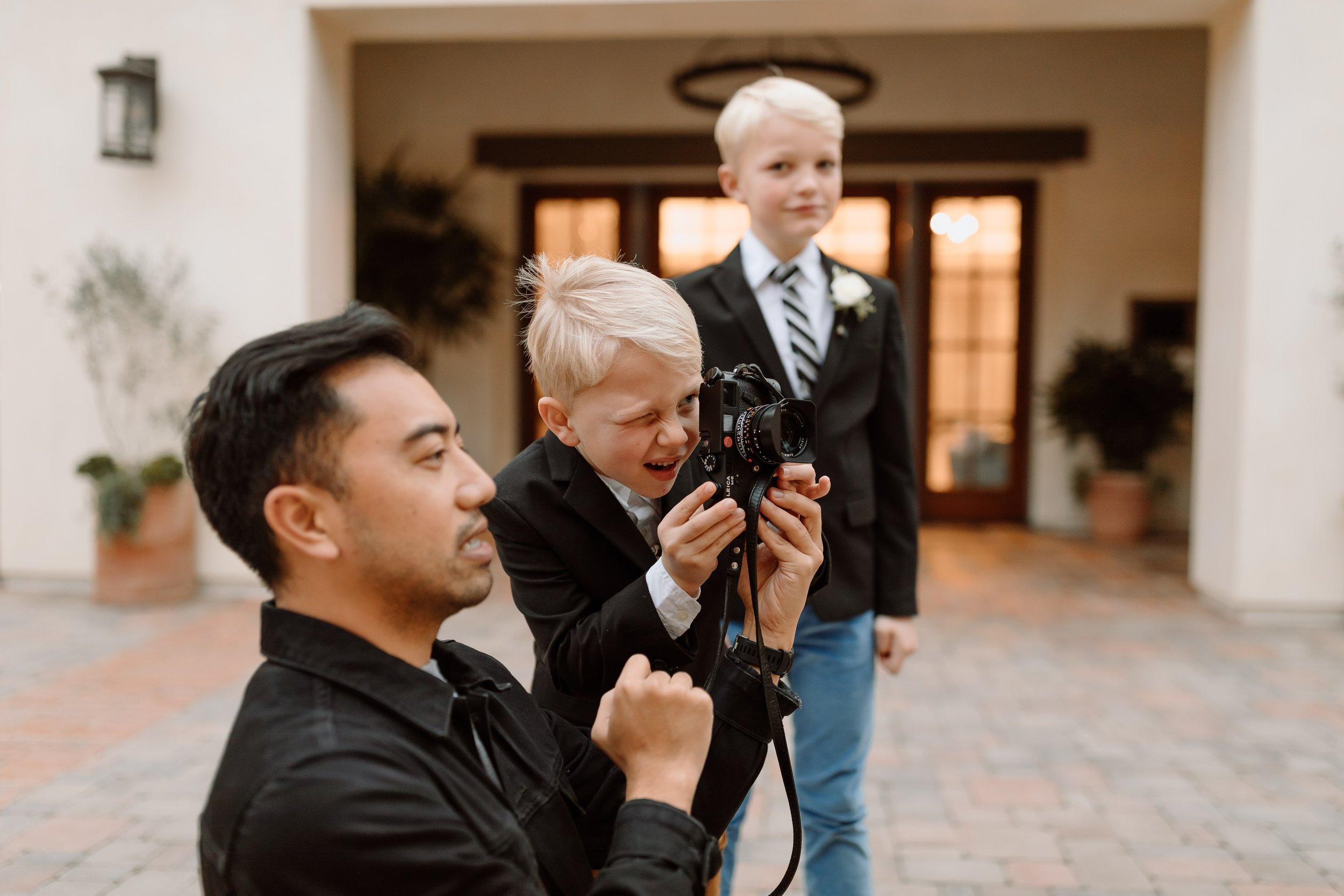
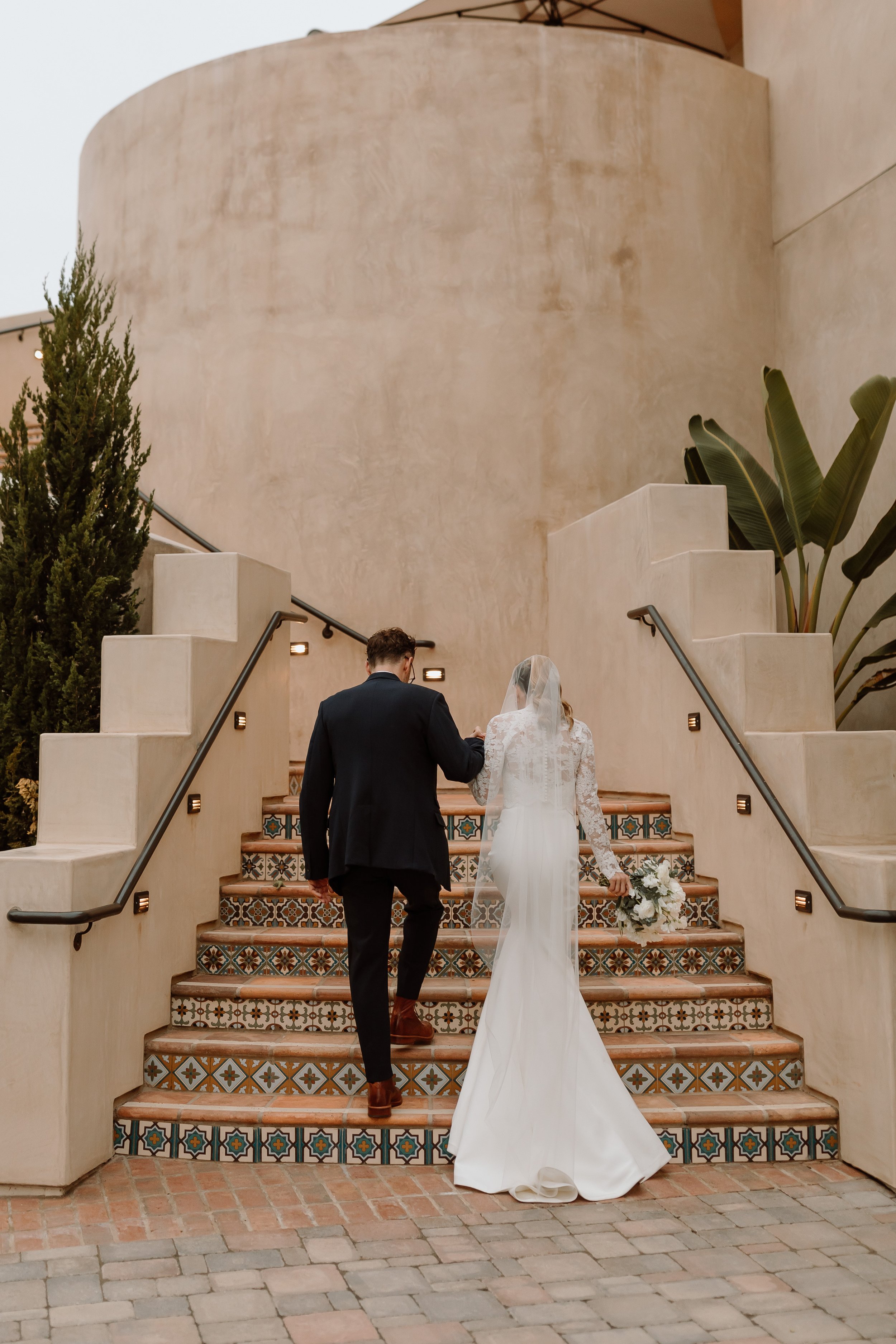

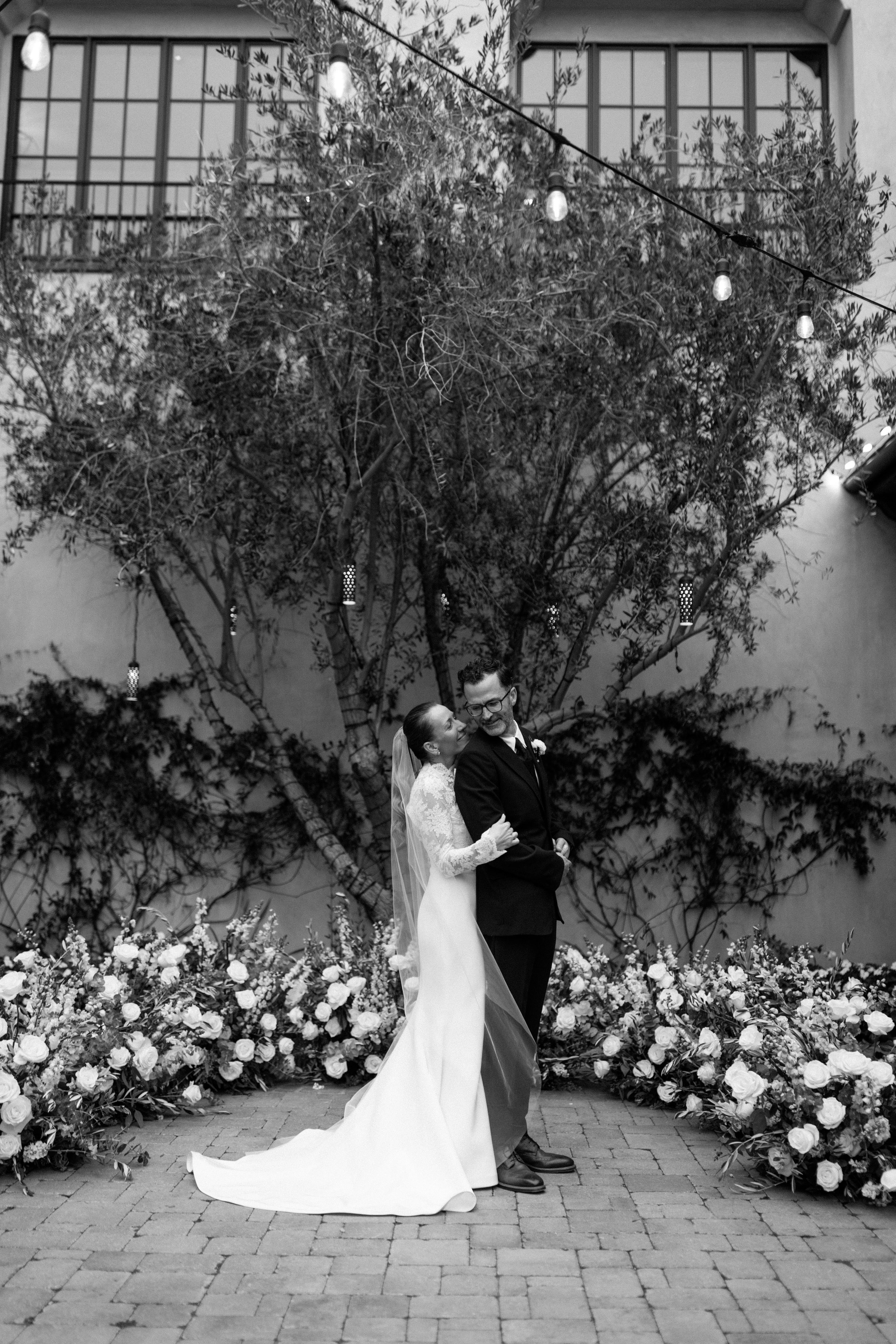
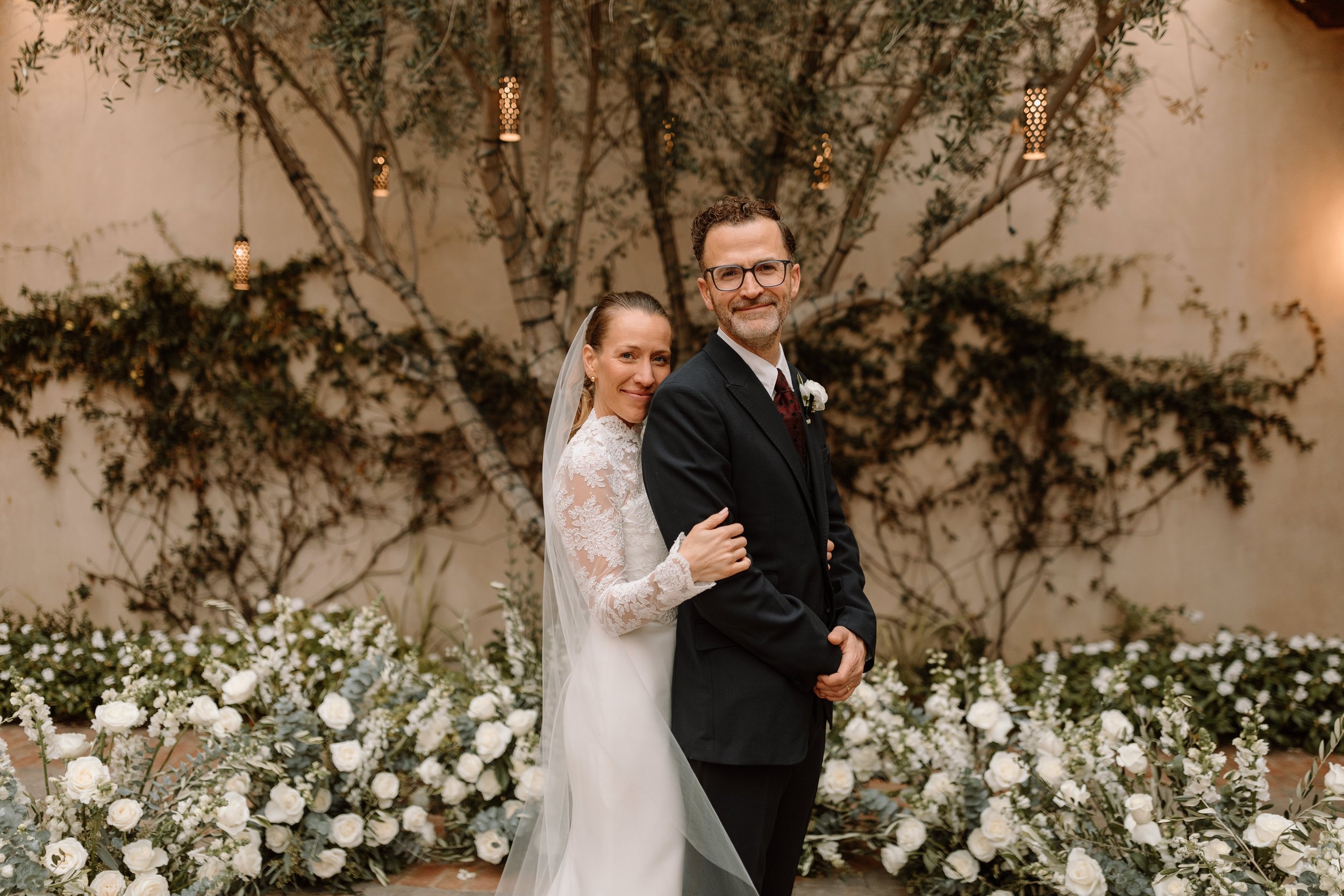

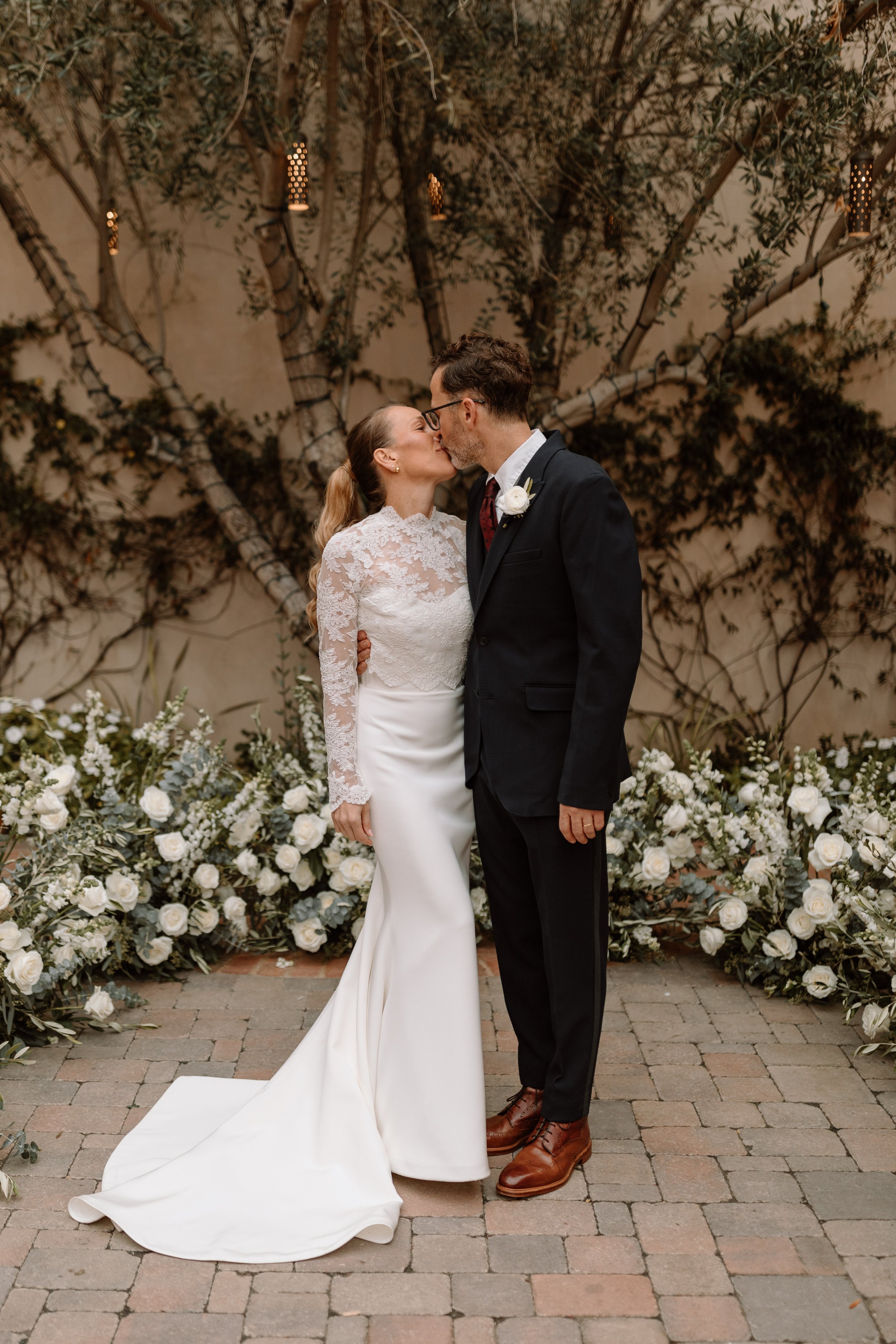
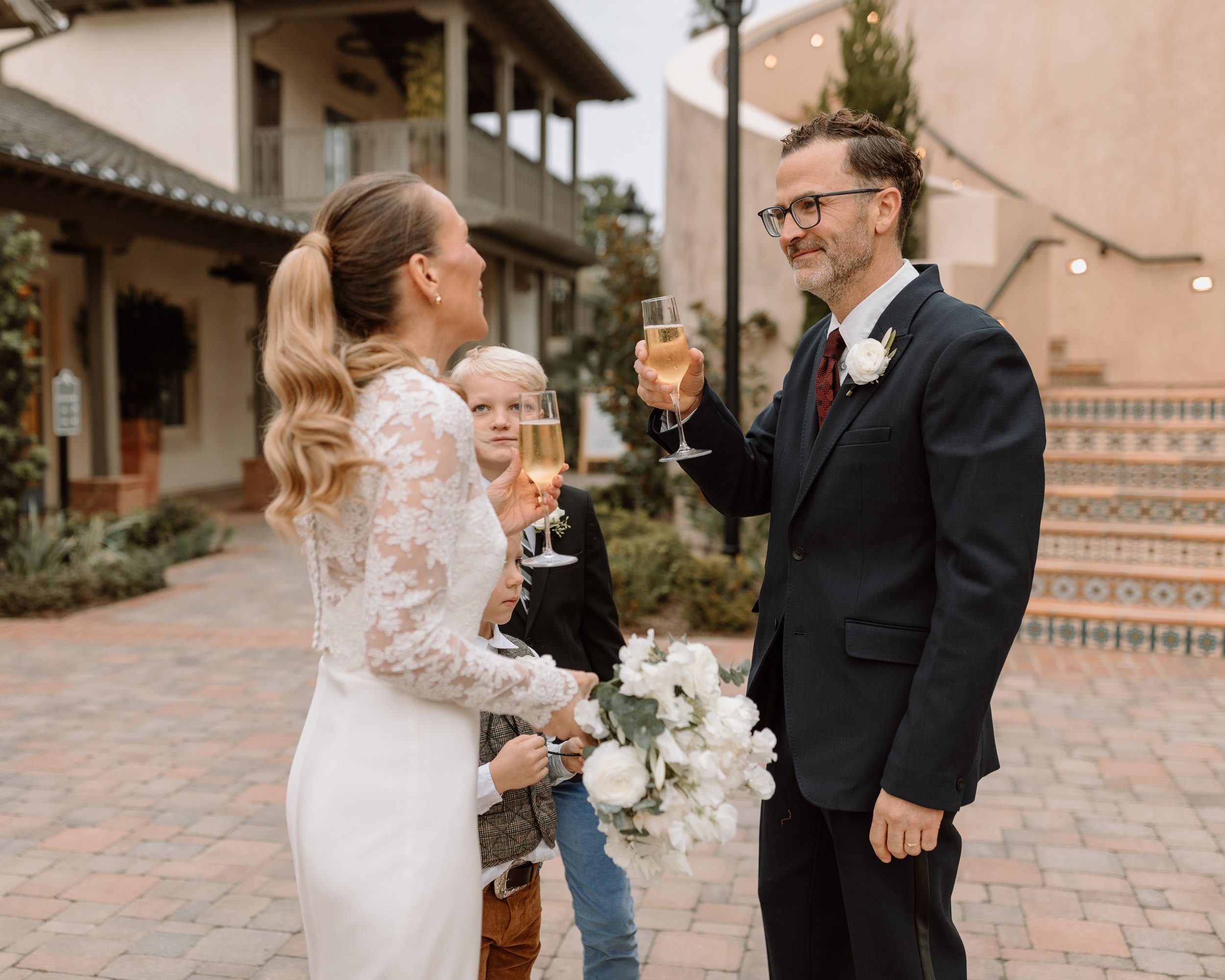
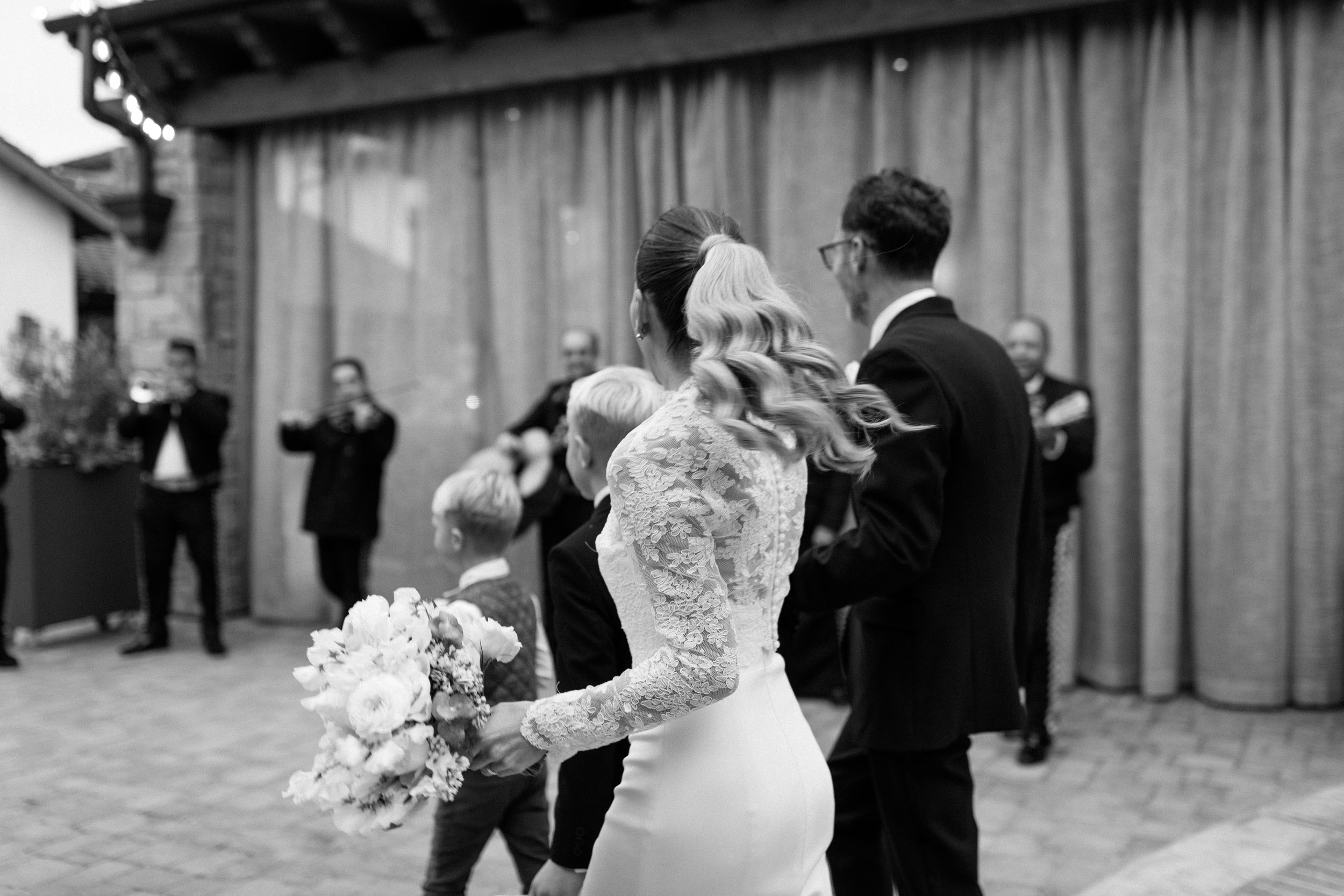
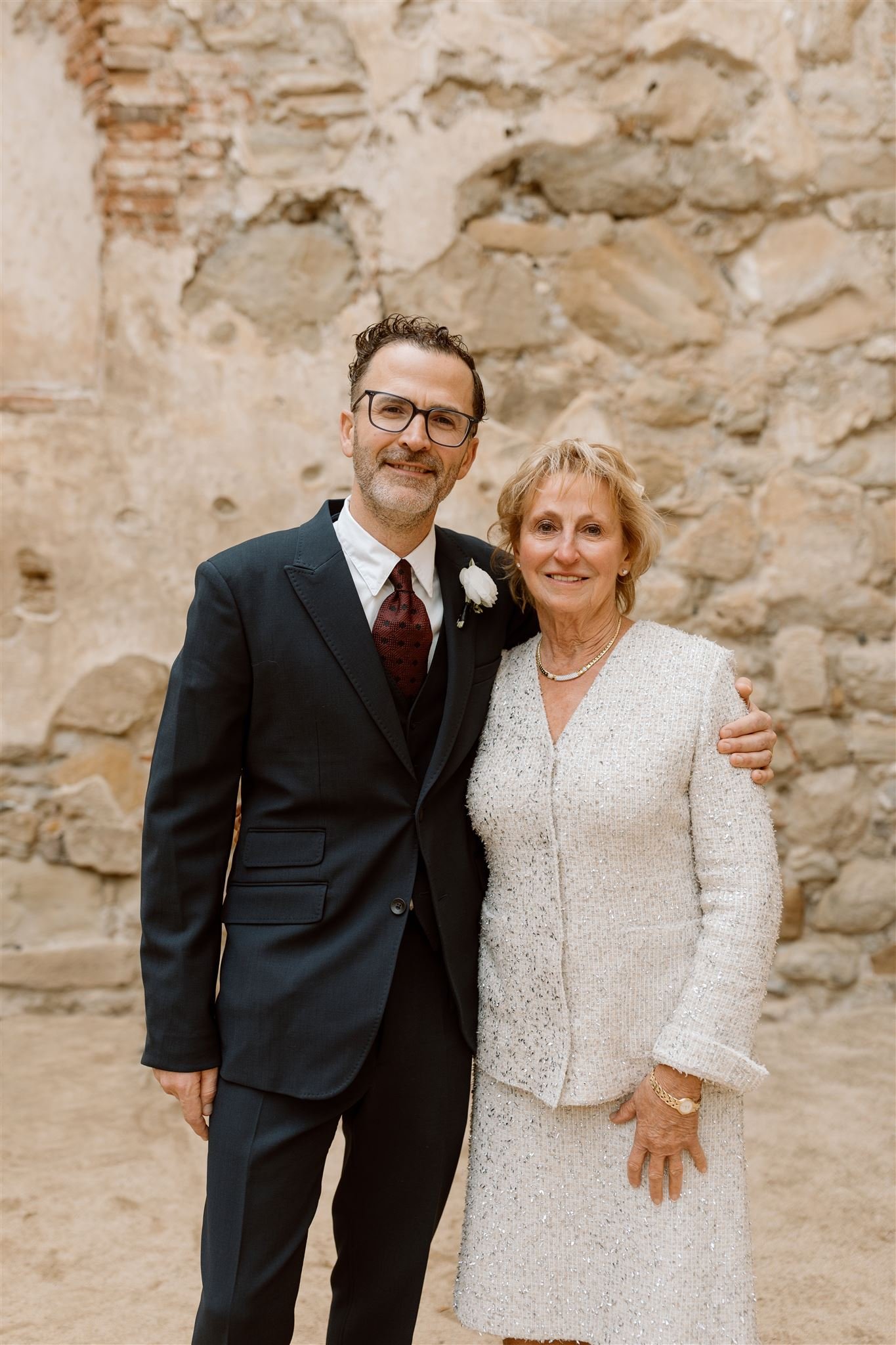
“There may be more beautiful times, but this one is ours.”
- Jean-Paul Sartre



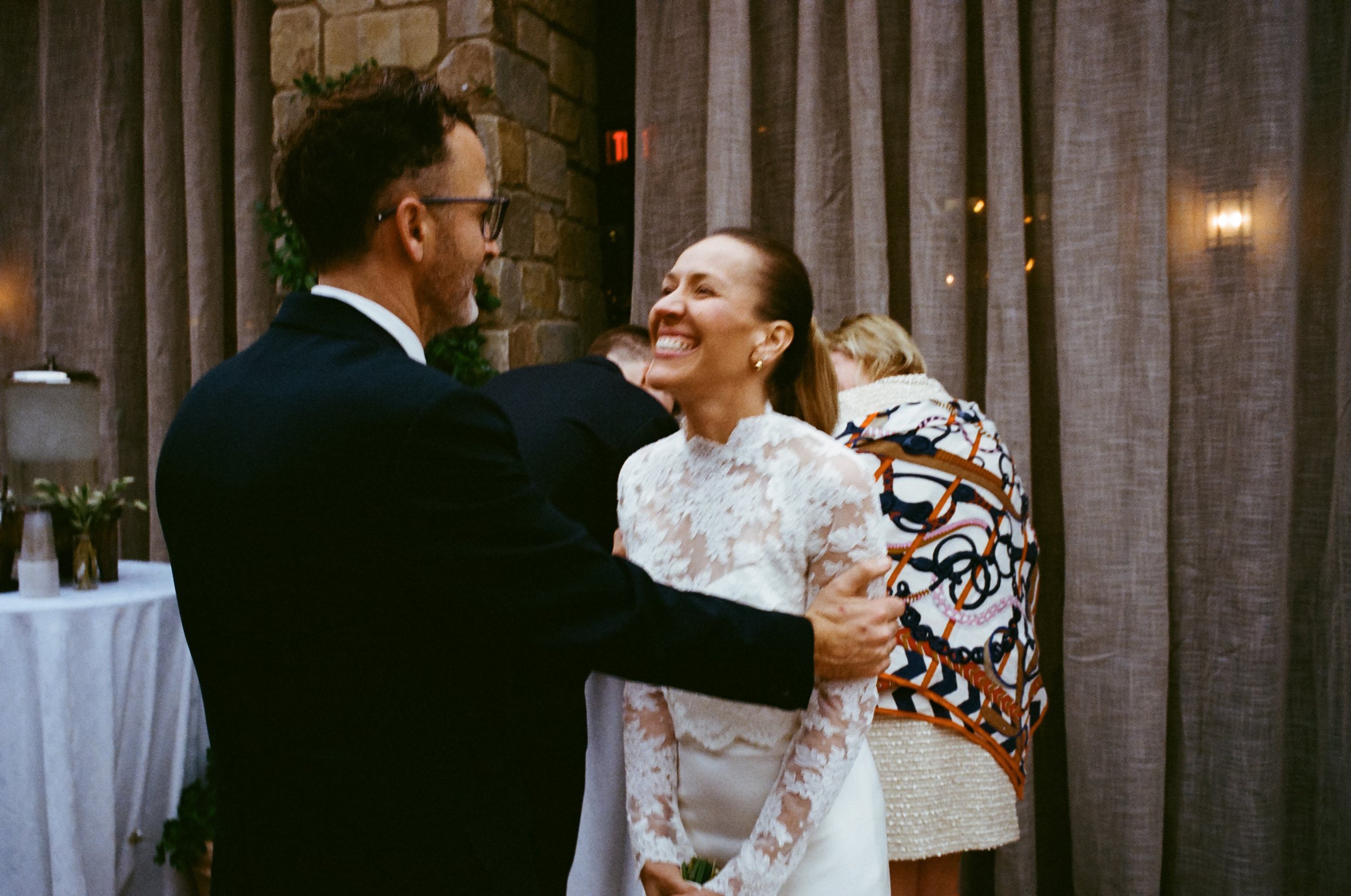
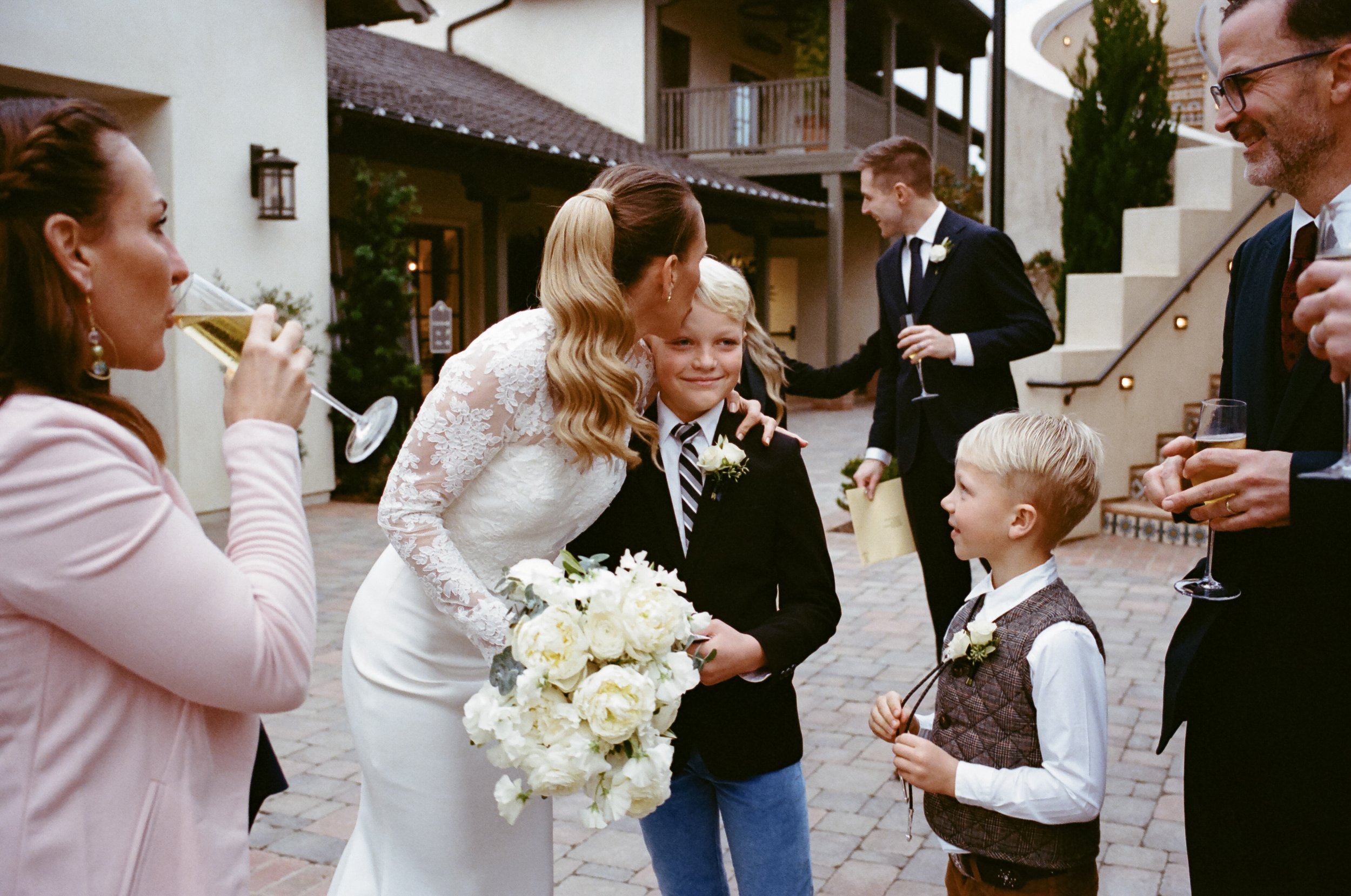
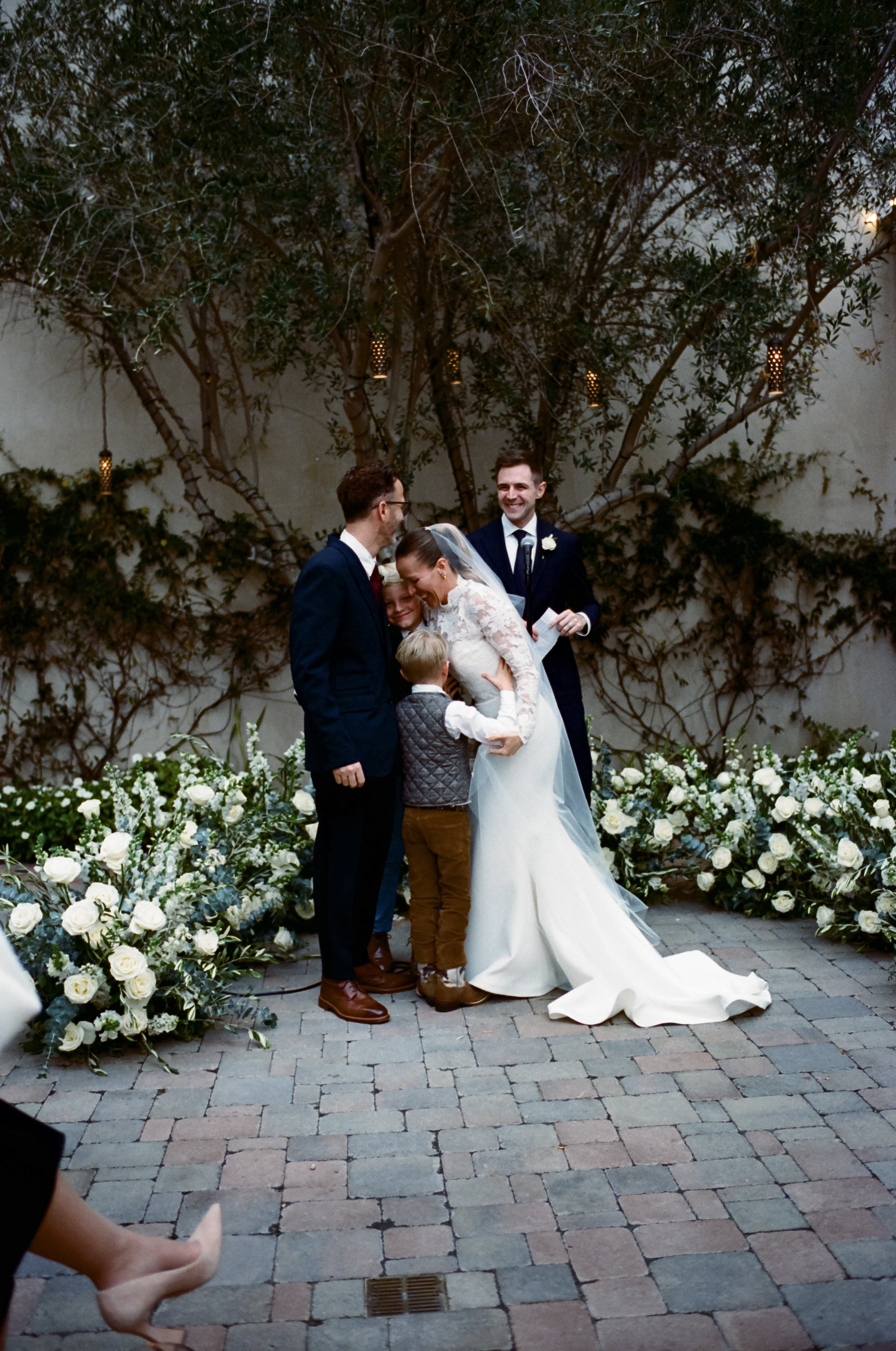
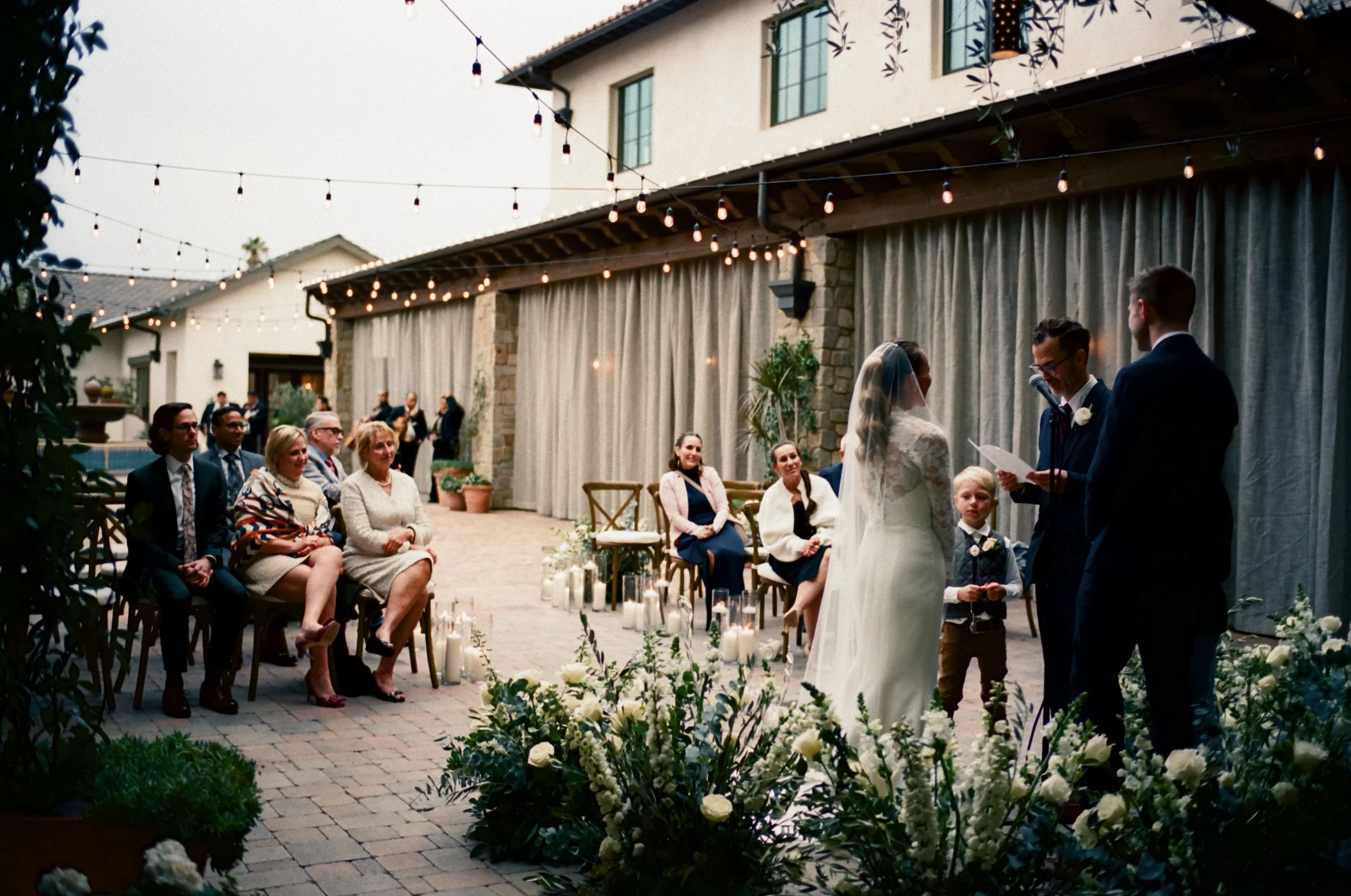
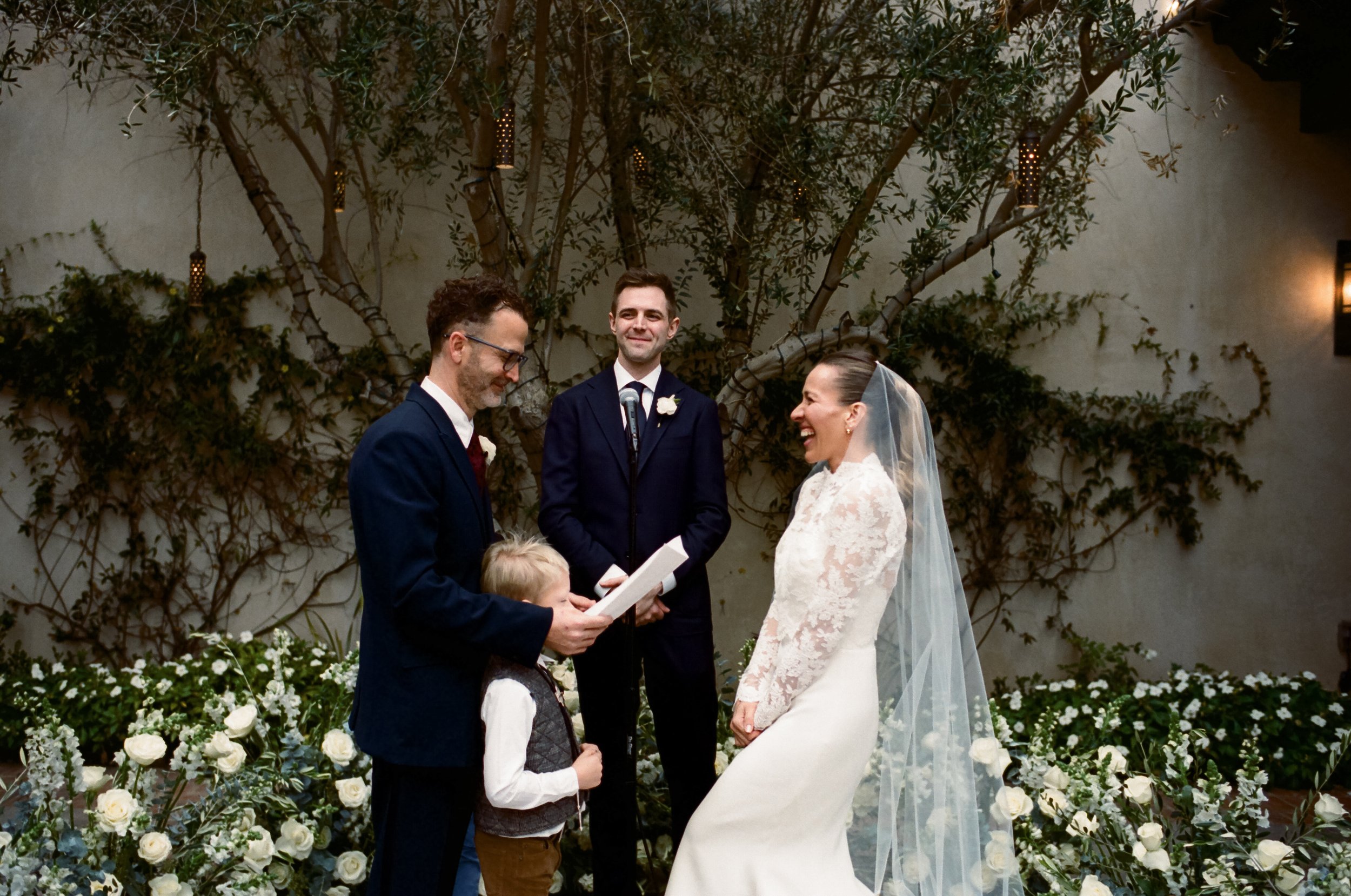
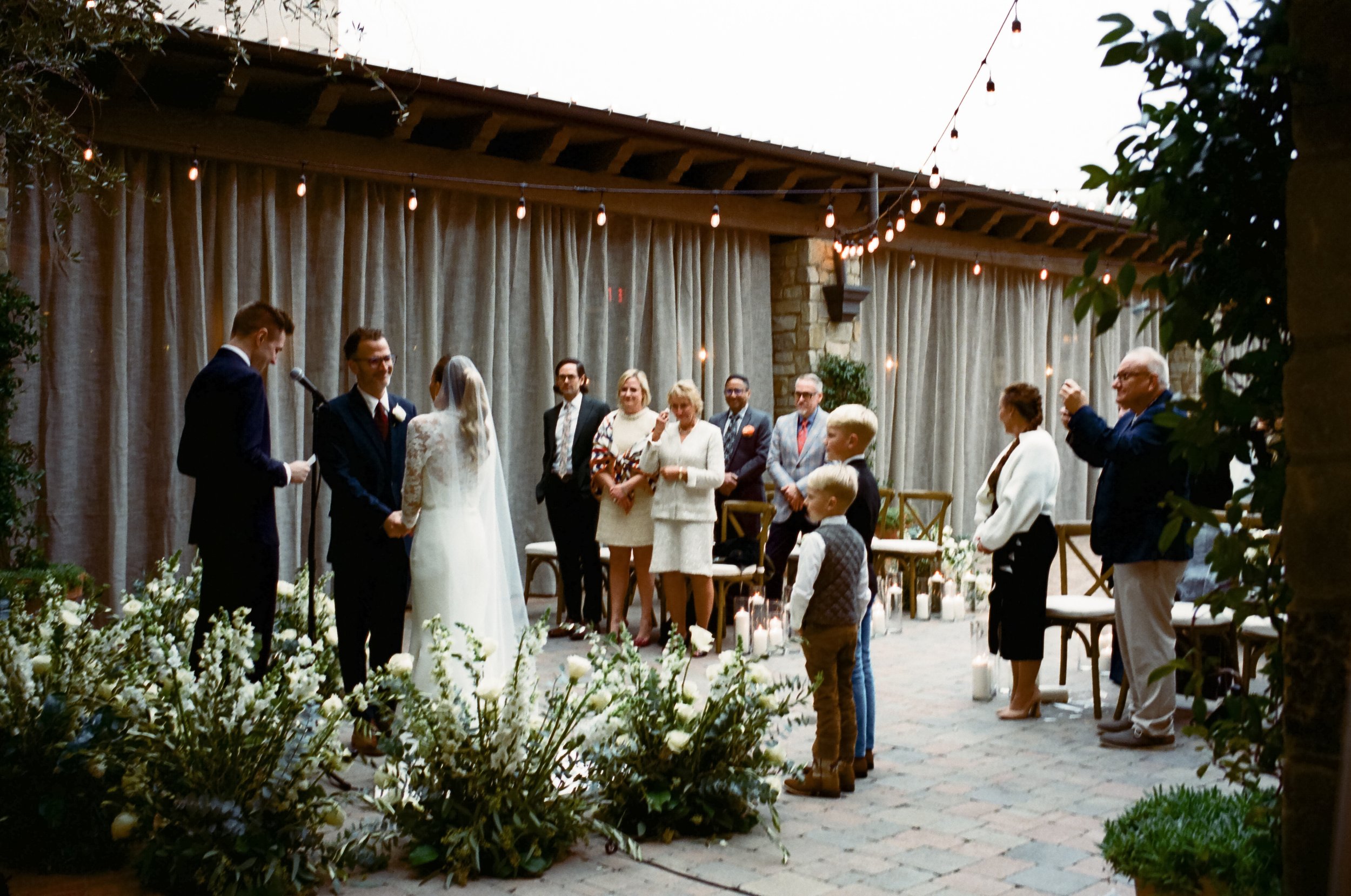
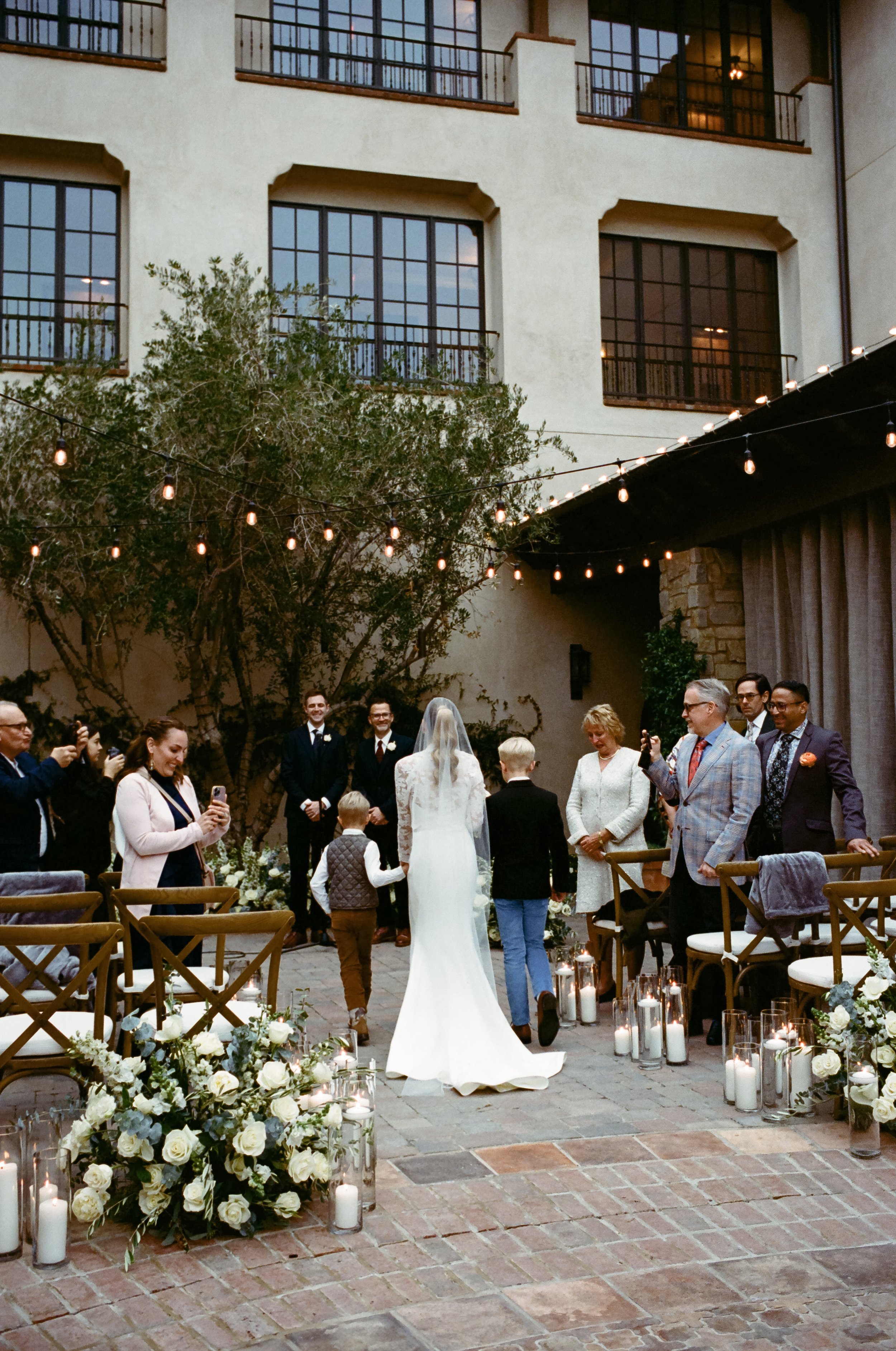
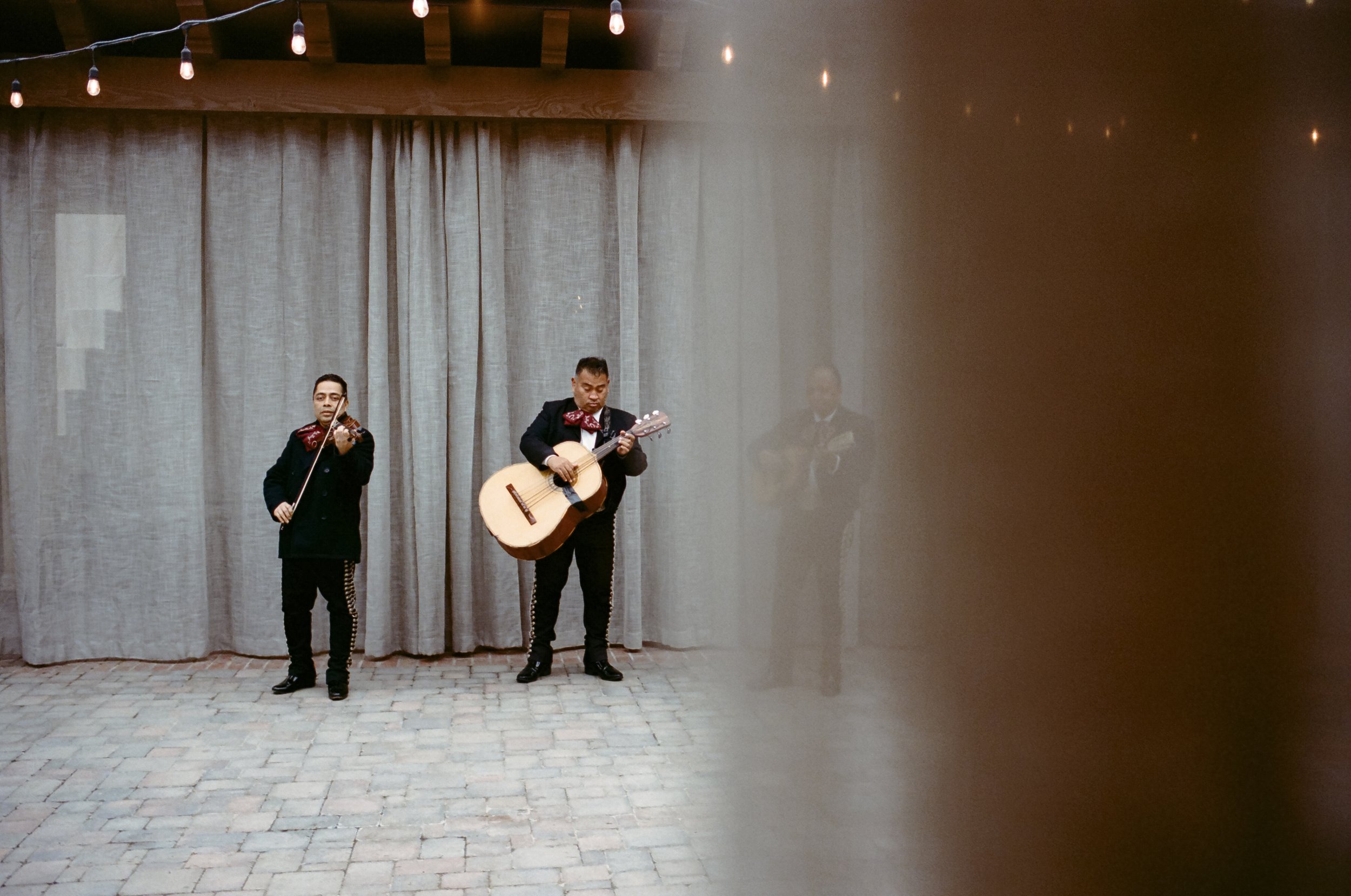
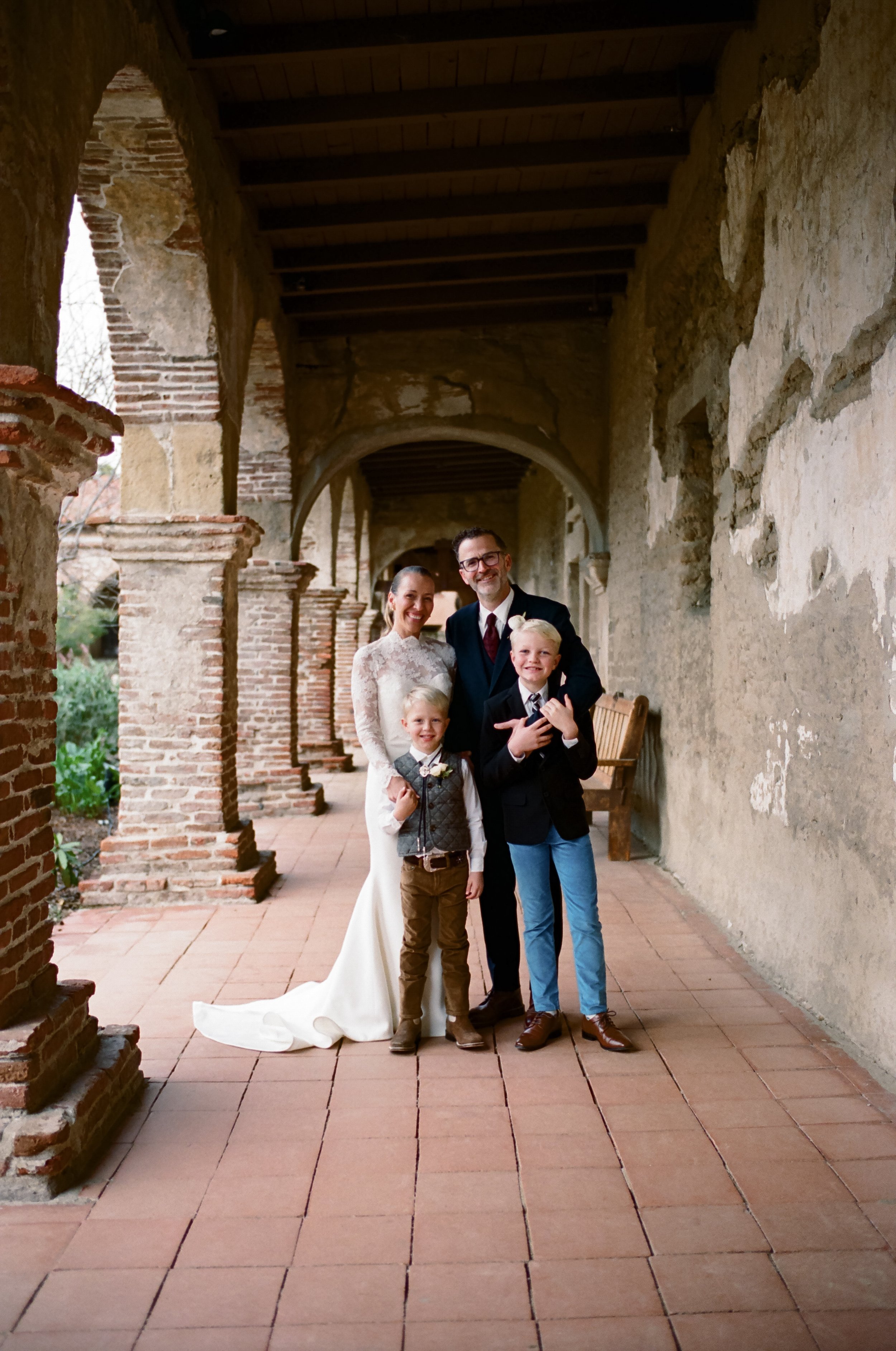
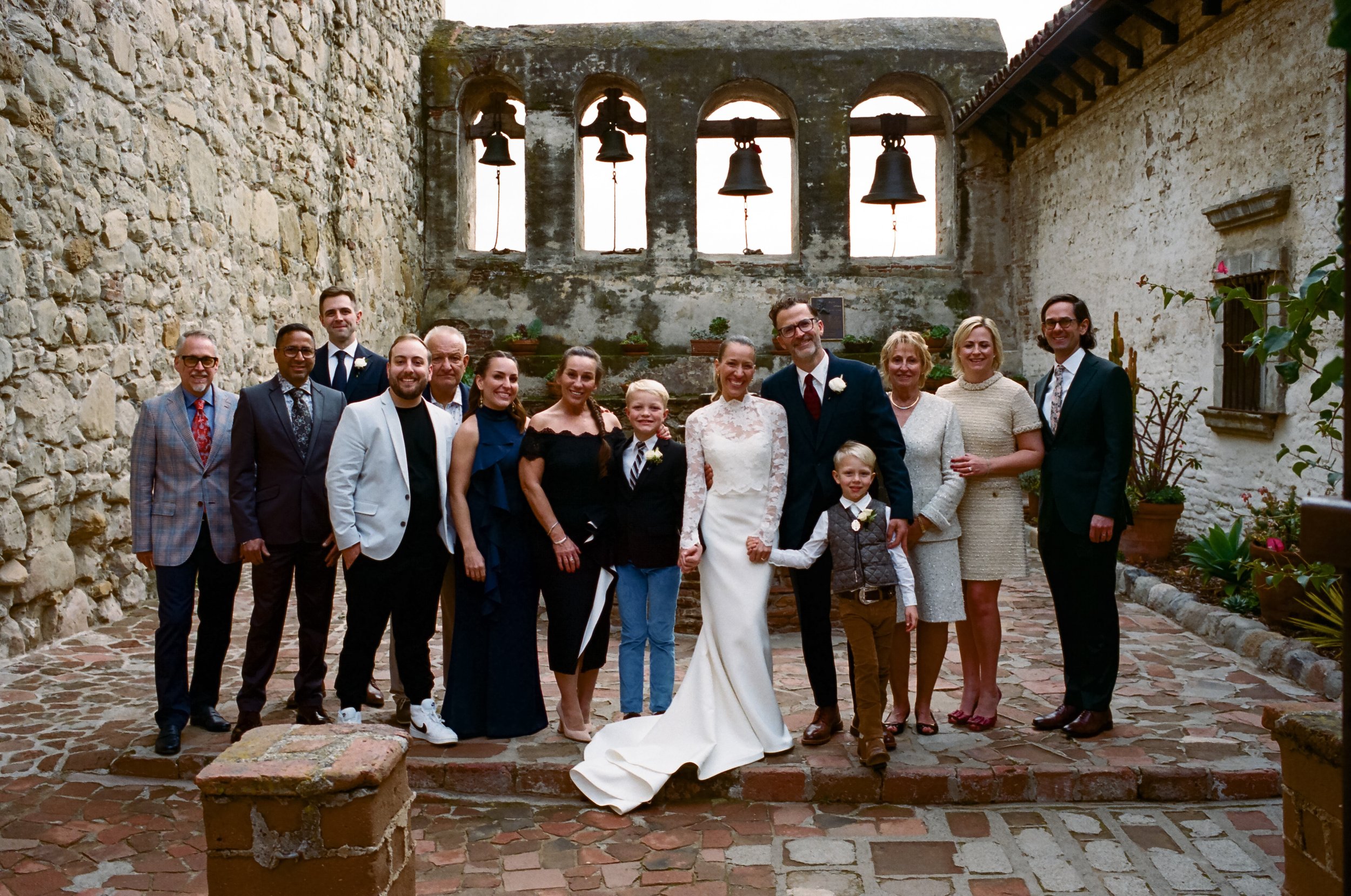
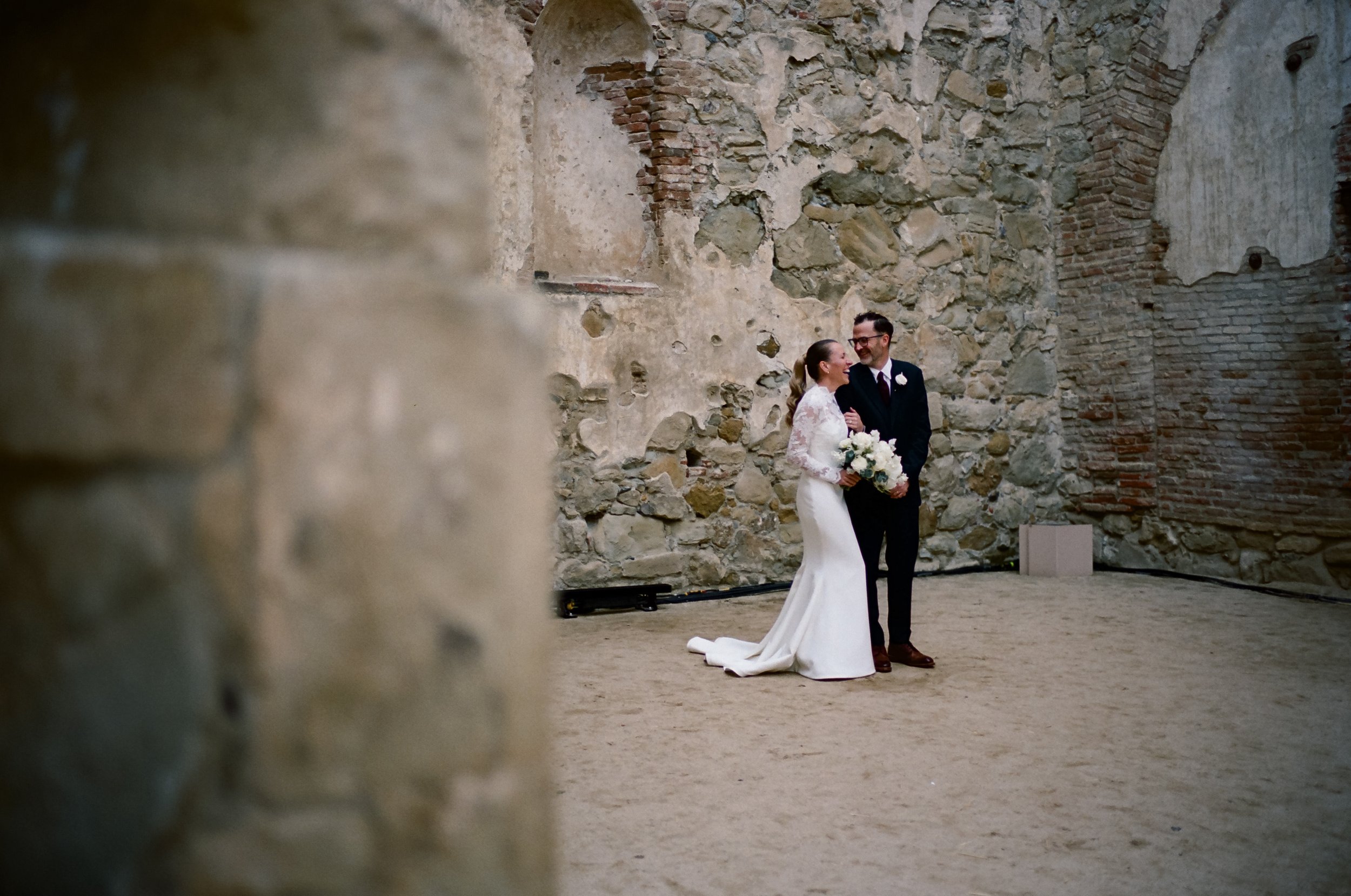

A special thanks to our two remarkable photographers.

November 25, 2021
We were engaged on the High Line in New York City on a Thursday.
New York City is the place of dreams, where people all over the world come to start their lives unabashedly anew. There is so much brazenness, honesty and conviction on every busy corner.
An old railroad track that once traversed the city and was set for demolition became an inspiration to transform unused space into something new. When Bobby stopped to change cameras around West Chelsea, he got down on one knee and we did the same thing.
Together, we started something new.

“Toi et moi”: The merging of two families.
In the spirit of Napoleon, who presented his bride-to-be with a “you and me” ring, we designed a special piece to symbolize two families, with separate and honored histories, coming together, as one, to invent a life together.

Black Hills
This Summer, we headed west toward the land the Lakota refer to as Paha Sapa.

Photo on Leica M11 with 50mm 1.4 Summilux.
This Summer, we headed west towards the Black Hills. It’s about five hours by car. The Lakota refer to the land as, Paha Sapa. It has a pleasant and sacred sound to it. Almost as magical as our trip.
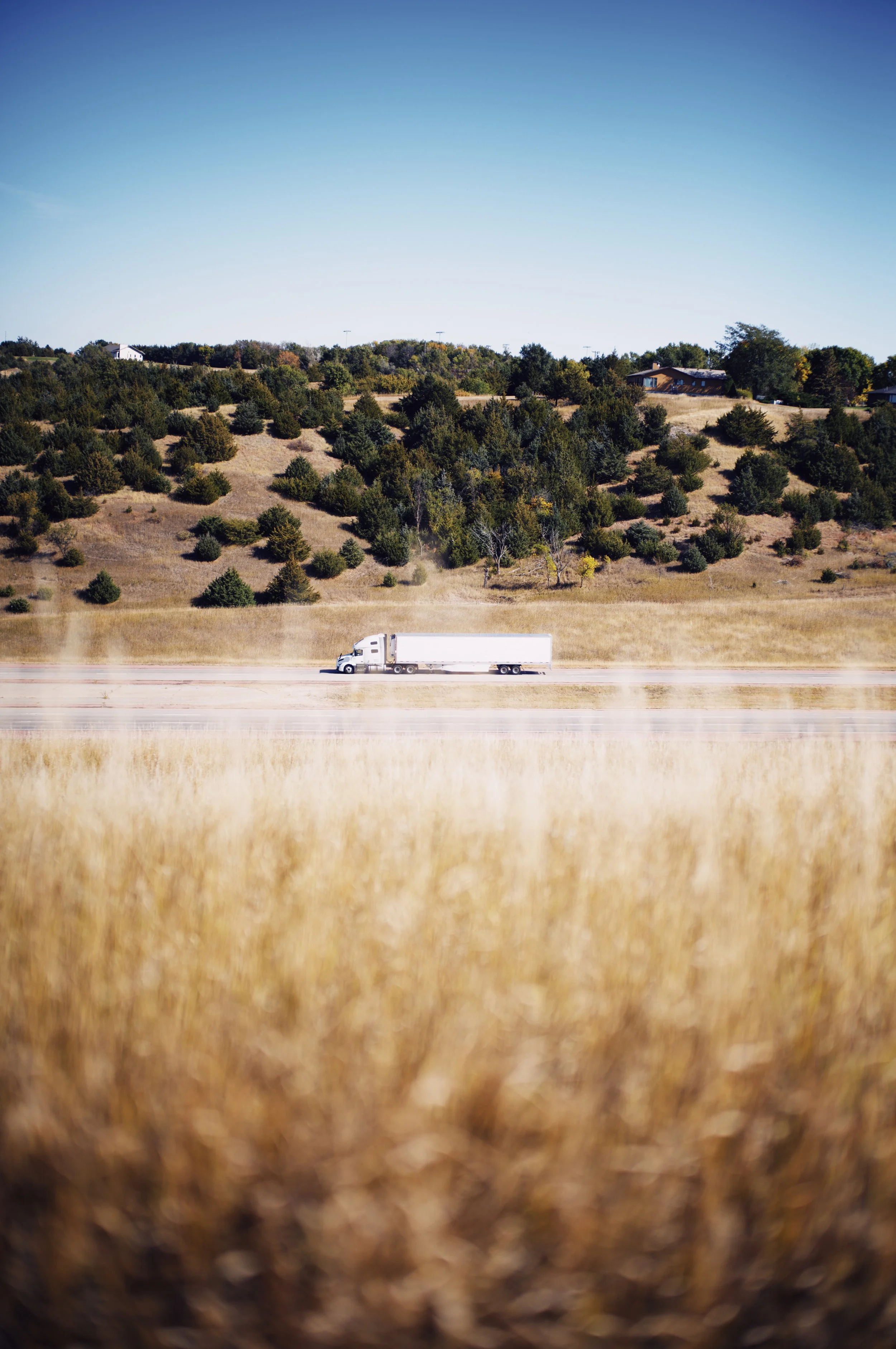
En route from Sioux Falls, we happily manufactured natural excursions, first stopping in Chamberlain, to overlook the majestic and ever-flowing Missouri River and, simultaneously, taking in the unspoken awe of the Liberty statue. Have you seen it? Breathtaking.

The five year old snapped this unforgettable photo.
After trespassing against the horizon of I-90 for a few hours, we visited the now infamous (with an earned infamy), Wall Drug. We’d planned to stop and stretch our legs and experience the cafe and kitsch. Besides, it’s kinda a South Dakota must. Un-reluctantly, we avoided the overly welcoming, “five cent coffee”, while marveling at the ingenuity of offering free ice water for travelers heading west to see the newly formed national parks championed by President Roosevelt.
So much of Wall Drug is forever encapsulated in the time in which it was invented.
Nuclear families in station wagons with discretionary income enjoying road trips, needing an adventurous reprieve from the seemingly exhausting cross-country trek. An empire built around a pharmacy in the middle of nowhere, with advertisements thousands of miles away. 5,327 miles to Wall Drug. Genius and particularly American.
Back in the car, filled to the brim with sinewy buffalo sandwiches, and freshly made, chocolate-glazed donuts, looking out the windows as the rolling plains slowly started to accumulate and morph into more, we were entranced by the inexhaustible scenery.
The Badlands are otherworldly.
The landscape forges its own presence, even from a safe distance. Passing swathes of signs alerting us to, “this is where Dances With Wolves was filmed”, we imagined the frontier and what it must have been like to pioneer a life in these harsh and desolate conditions.
As we neared the end of our day trip, and entered the hills, we arrived in Deadwood, a place all its own. Winding roads, offset by mighty pines, guided our ascent into the old town. Deadwood exudes a sense of Old Hollywood - late nights and early mornings, serious faces and tired smiles, an era in which everything has yet to be fully invented or realized or destroyed.


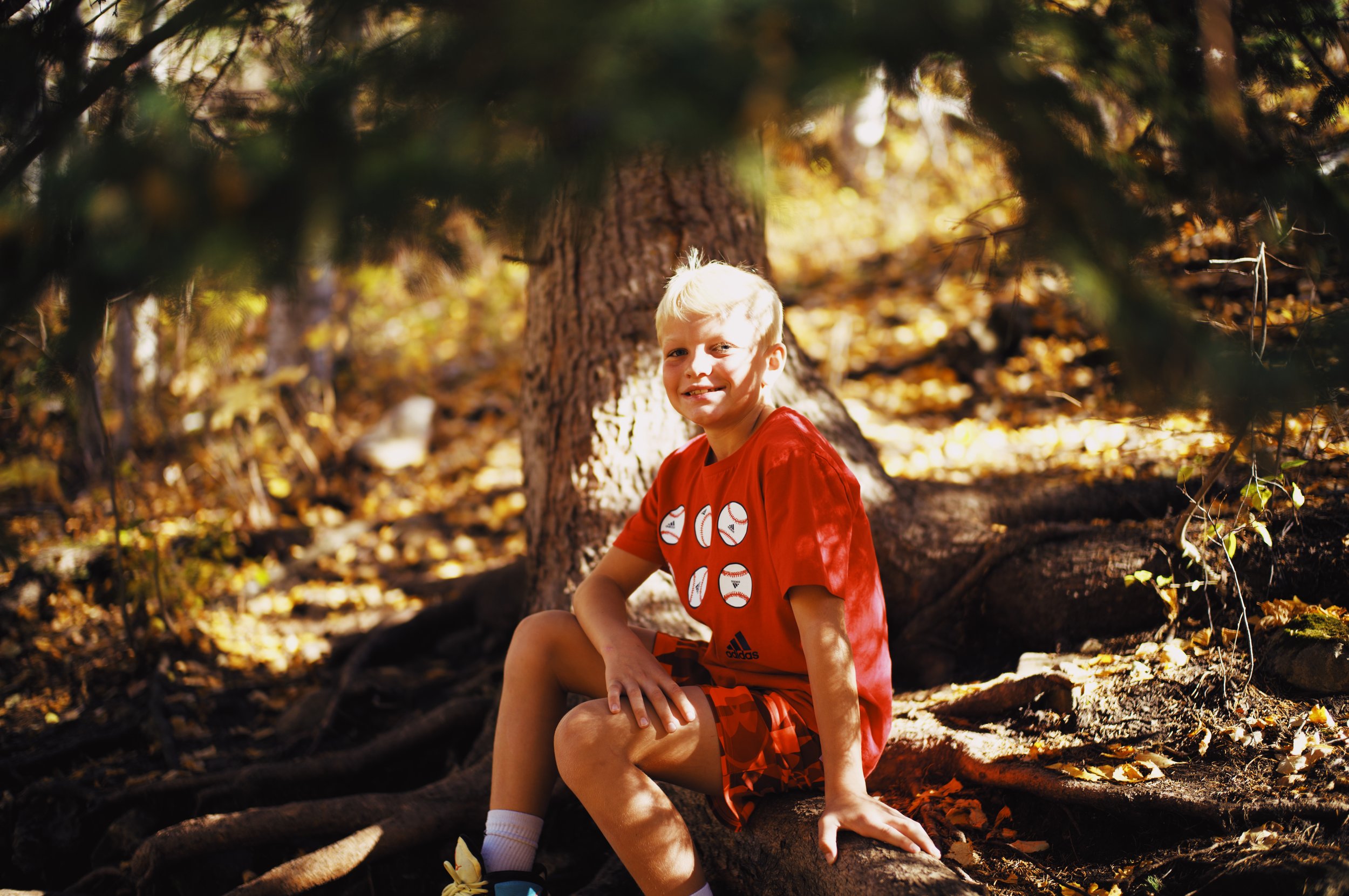


While in the area, we made time to visit Mount Rushmore, happened upon Pactola Lake, dined in Spearfish, took a few hikes, rested, cooked, and enjoyed the wonders of the season.
We stayed at the Sheep Hill Chalet, which we’d highly recommend. It sits atop a mountain, with silence that traverse the valley below. Pure delight.



Husker Generations
Angela’s family has been attending Nebraska football games for seven decades.
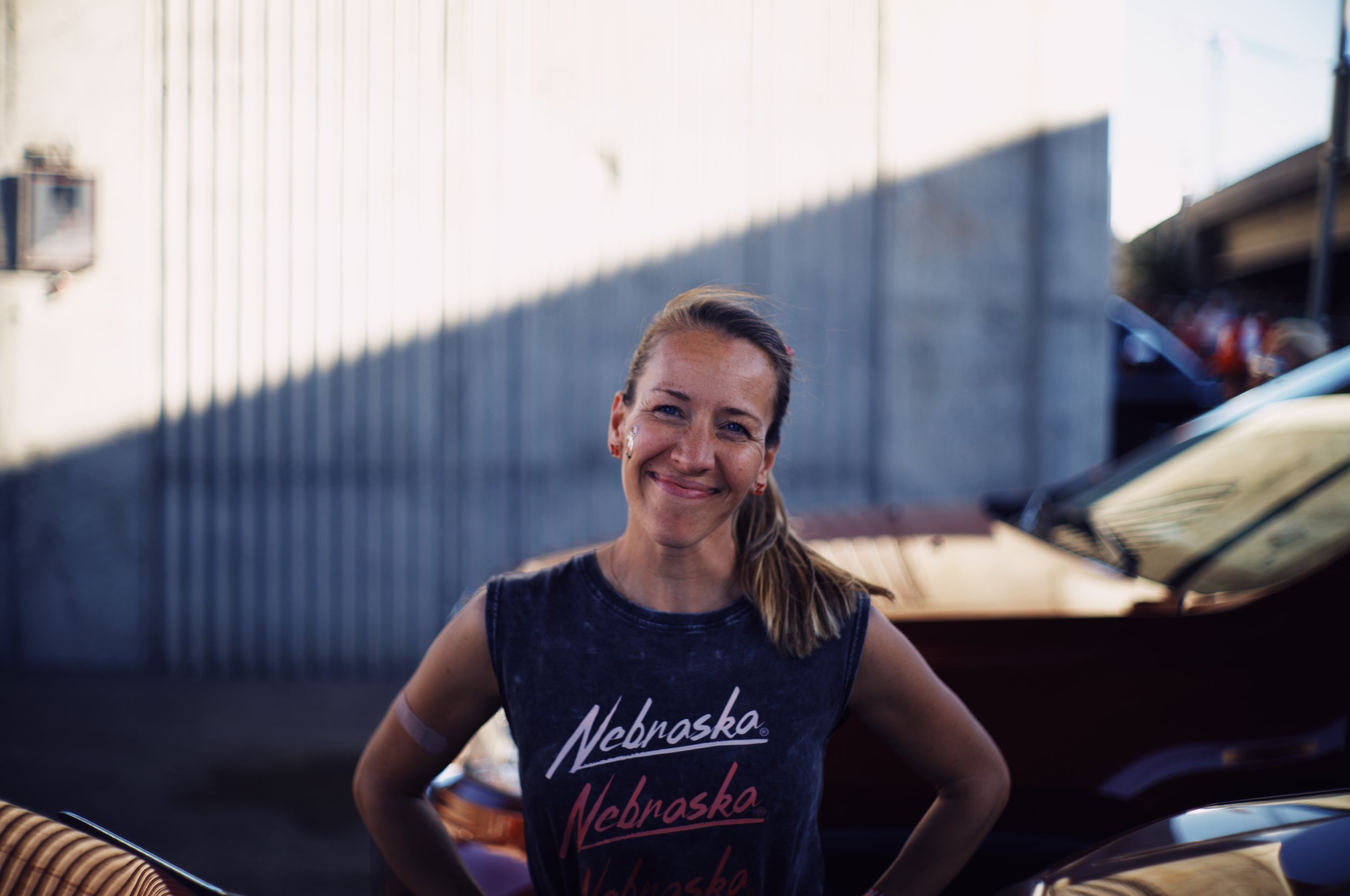
Angela, smiling from ear-to-ear, before a Husker’s game.
For nearly seven decades, Angela’s family has been attending football games at University of Nebraska. Her grandfather, pictured below, hasn’t missed a contest in sixty-three years.
Taking part is a right of passage, a ritual, an honor. As her alma mater, the lore of the gridiron takes on even more shape and glory. It’s a joy to watch as Angela participates in these time-honored traditions, from tailgating to cheering at the top of her lungs, and the excitement of the crowds are irreplaceable. There’s hardly anything better than watching someone you love, do something they love. It’s contagious. Dare I say I may even become a fan myself.
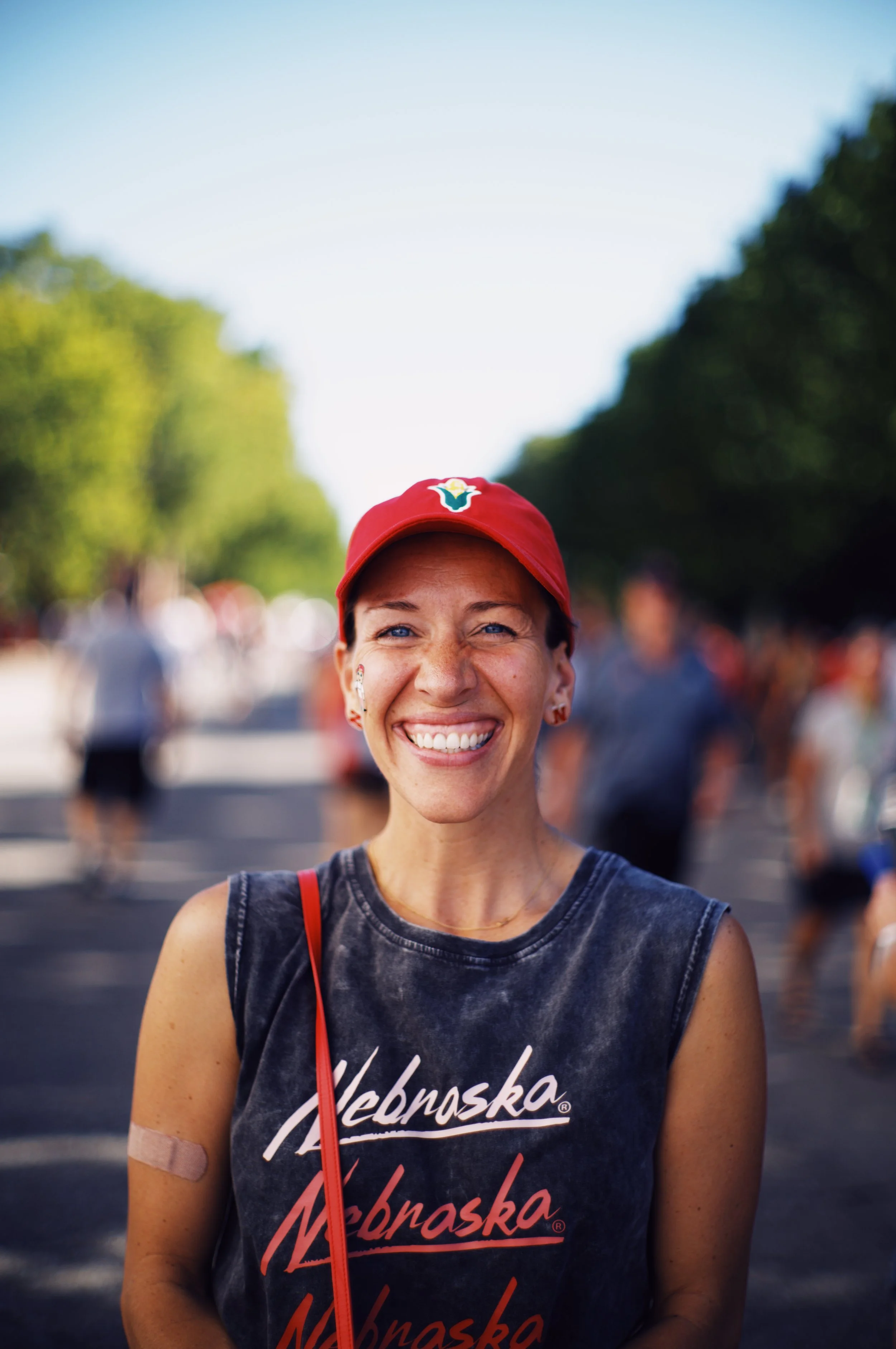
Below are a few photos from recent trips to Memorial Stadium in Lincoln, NE.






San Juan Capistrano
Enthralled by San Juan Capistrano, I captured a few pictures.

A few photos from a trip to San Juan Capistrano, California, in November.
I’ve always been captivated by the history of this small and beautiful town: from the early expansion efforts of the Spanish, to the swallow migrations each year. Walking through the quaint city one stumbles upon the oldest residential neighborhood in the state.





Metaphilosophers
Metaphilosophers to guide us through the metaverse.
Metaphilosophers to guide us through the metaverse.


Thoughts on Architecture
Life thrives when its creatively challenged by its environment.

If architecture has taught me anything about life, it’s that life thrives when it’s actively fostered, continuously supported, and creatively challenged.
I believe the same can be said for “learning”.
When learning is supported, when what is ‘taught is taught’, with a mindset that is as open as that which learning opens - everything flourishes. Of course, the opposite can be true and this is the slippery slope we carefully navigate.
In a curious quote, one that demands rumination, patience and incorporation, G.K. Chesterton writes,
“The object of opening the mind, as of opening the mouth, is to close it again on something solid.”
All that is learning is that which encounters the new.
When a positive framework of nurture and care are implemented, with maintenance and subsistence, giant leaps of self transformation spawn into a state of perpetually taking flight.
Everything else recedes.
Gabriel Garcia Marquez:
“The scalpel is the greatest proof of the failure of medicine.” What these words highlight, with astounding precision and generality, is our profound, and interrelated relationship to the world.
Nothing happens irrespective of everything.
Learning needs to be taken into consideration - considered the exact same way as an apprentice who observes a master progressively rendering themselves obsolete.
I believe this applies to life - and if an architecture of life exists, a learning of life, our role is to actively support and serve as a catalyst to these pathways.
The old adage rings true - if you create the conditions for success, success begets success.