
Journal—
Musings & Observations
I’ve written for The Atlantic, Huffington Post, Forbes, Warwick and my mom.
You can also see the Magazine view.
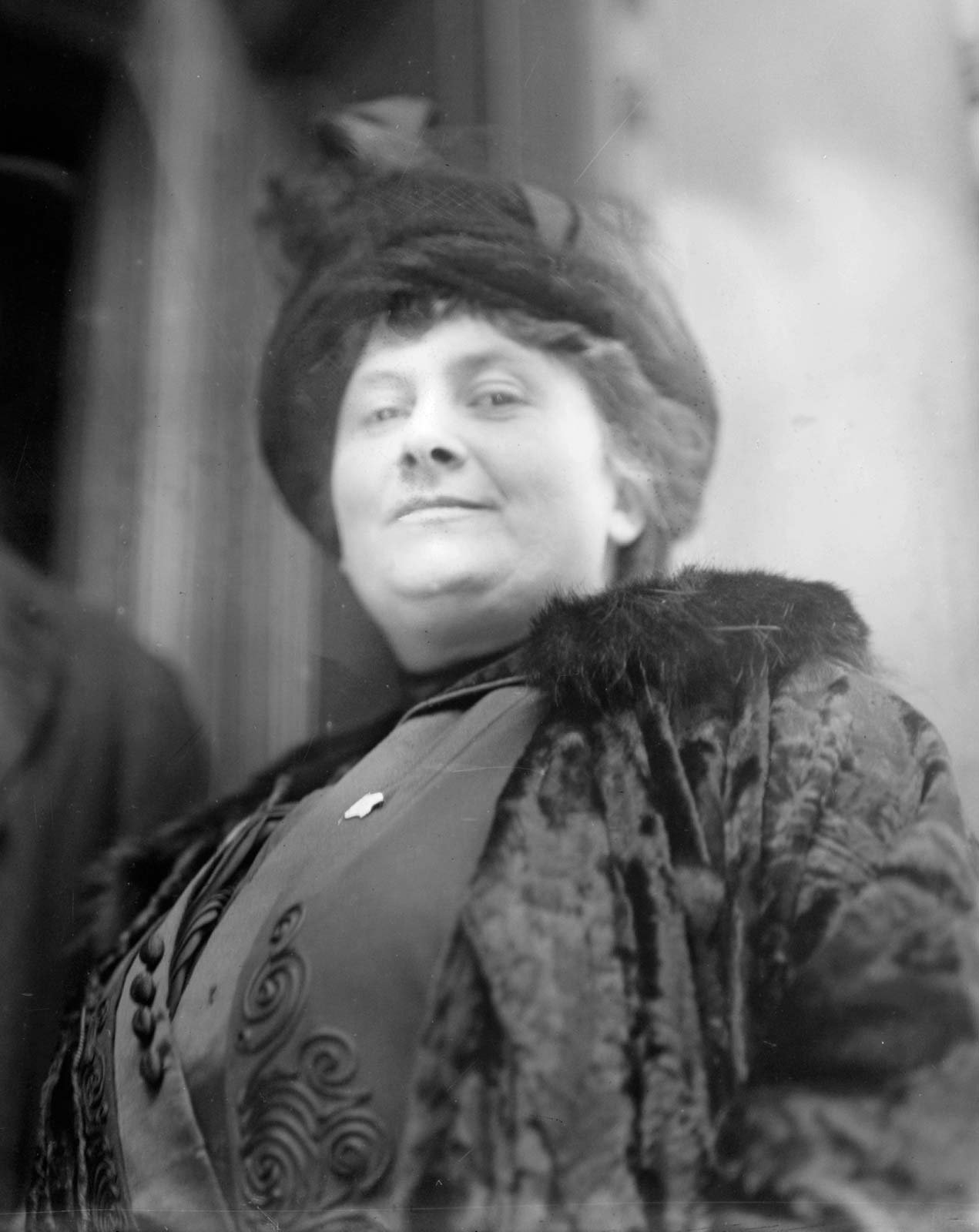
Saying Goodbye to the Madmen

It’s funny really, how the Madmen came to be…
The Madmen were birthed in a flurry of late night exchanges, a barrage of passionate emails flung haphazardly across the interwebs. These original conversations were a sight to behold, as if we were collectively jotting down notes to send out an interplanetary message.
The threads were so long and so deep that they hurt your eyeballs just to scroll through them, let alone read, but their passion was undeniable, so pure and heartfelt. You couldn’t hardly look away.
You couldn’t help but be attracted to the madness.
What came out of those initial exchanges was precisely how we started to think and talk about ourselves: a ragtag group of impatient dads and advocates from around the world, united by a common zeal to bring the Montessori method to millions more.
We coalesced around a simple idea: to make Montessori more accessible, more mainstream, and more understood. We wanted to shake things up: to shake up the institutions that were starting to ossify, and to bring a new found awareness and appreciation to Montessori.
We didn’t have articles of incorporation or a governing board of people or documents. We only had the passion of each other and our shared conviction to try to make things better.
Who knows what we may or may not have achieved? Perhaps the message that we conspired to send out into the universe, all these years ago now, is still waiting to be received.
Regardless, it’s finally time for us to say good bye, at least for now. We need a new group of mad people organizing themselves around a shared vision for what the future might look like.
Thank you.
P.S. The Montessori Madmen was a ragtag group formed by passionate fathers - eager to make Montessori more accessible.

Dear Professor Mendelson
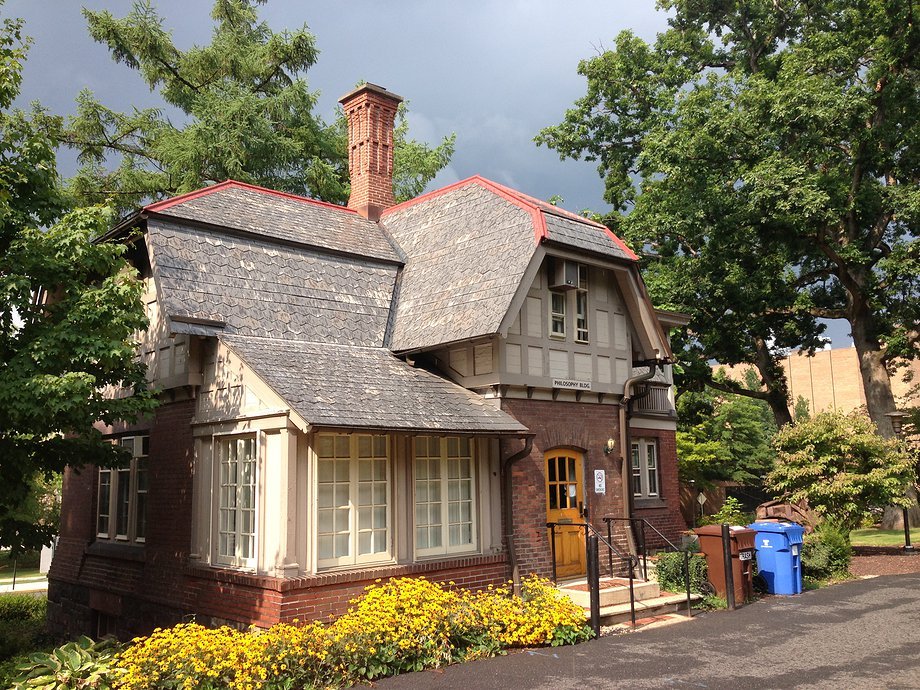
Dear Professor Mendelson,
I remember our first class together.
Actually, I remember all of our classes: Eastern Philosophy, Hellenistic Philosophy, Medieval Philosophy, Modern Philosophy, The Fundamentals of Logic, Friendship, Love and the Other, as well as a bizarre independent study on existentialism and literature, in which we explored the work of Simone De Beauvoir, wondering aloud, together, why she never received the attention we thought she deserved.
I remember how much you embraced the outsiders.
I remember so many of your lessons and insights. In a way, they're even more clear today, almost twenty years later. It's not just how you taught us to discover the nuances of Augustine or Aquinas, with your acerbic wit and sharp humor, but also how you helped us to discover our own voices, helping us to develop the confidence and courage that we would need.
I remember two stories that I'd like to share:
The first was an outburst of excitement. You once shredded a hefty paperback with your bare hands, heaving it across the room and into the garbage, as you disagreed with what the author had to say. I don't remember who the author was, or what the disagreement was about, but I can see that moment, clear as day. In that act, we saw your passion. It wasn't the act of defiance that endeared us, it was the inspiration that you offered for us to think on our own. You had found a different way and you inspired us to find our own way too.
Second, I remember sitting in a brightly lit downstairs room, as you nervously prepped us that we would have some unexpected visitors that day, and we should be on our best behavior. If memory serves me right, it was Professor Weiss, Professor Bearn, and Professor Dillion, and they were there to evaluate you, to see if you'd be as good an Associate Professor as you were an Assistant Professor. As they sat along the back wall with their notepads and pens, making observations and jotting down notes, I remember, in that moment, how I felt you were not just here to teach college students. You were here to teach us all.
What I remember most is how you helped us to find our own voices. How you taught us how to redirect our restlessness. How you inspired us to muster our own confidence. How you implored us to be unafraid of where things might lead. I will always remember how you helped us find our own way, always with an opening to the outside, to the new, to the unknown, to the misunderstood and the mysterious. Just because there wasn't a precedent, didn't mean we couldn't make it a precedent.
You gave us that courage.
The courage to ask our own questions, and discover our own modes of expression.
On behalf of the misfits and the outsiders, from those of us who wanted to embrace the world but just didn't know how...
Thank you.
Your student,
Bobby

Building a Community

Photo by Connor Burtis
I was asked today why we keep Montessorium in South Dakota. I didn’t really have an answer prepared to meet the enthusiasm of the question.
I think the answer - to why we want to stay where we are or why others chose to stay in their communities - is much simpler than we often make it.
Building a community is something like a concerted effort towards a shared sense of the betterment of the people in the place in which they find themselves.
Maybe that’s already too complicated.
Building a community is an ongoing dialogue between many different things: people, places, the environment in which they find themselves, institutions, and a multitude of other, less established, but just-as-present influences.
Building has everything to do with attitude.
How we approach things is just as important as us approaching things. Maybe it's a question of desire - of the feeling we have towards what we want to approach.
I'm not trying to make it feel as complicated as it sounds.
The phrase “building a community” is already too prescriptive for what it takes to build things together - especially shared spaces. With the right conditions, I think things can be more organic than they might seem.
That's the rub.
I have the feeling that learning how to engage discoveries no less than hardships - with a certain openness and willingness - is more agile than imposed.
At least, it could be.
Maybe "community" is just about the people. About working together. Having the opportunity to grow with people you come to respect - maybe even love.
Recognizing that I'm lucky enough to be a part of the conversation - in an incredible "people-place-environment-building-space" - is where I always get tripped up.
I love where I live.

One Thousand Tears or More
There’s an entire history of books consumed by flames. Our memories lay purchase to their cultures, and we become witness to those who endured the endless fires. For some, the flames can still be seen, even if they are but mere flickers, unsteady bursts of light suspended by time, trapped in the distance.
Less is known about how many books actually met a watery fate, as opposed to an incendiary celebration. Water is somehow less symbolic than fire. Perhaps it’s more tepid or languid, or even calming. It has a wistful, unassuming smile, one that is always ready to seduce, to lure us into thinking its powers are only those of enchantment, when it’s really concerned with an immemorial embrace.
We wince at the horror, as we read about the Library of Alexandria. Its constant destruction pains us still, especially in the context of what it means today. We cringe to learn that Emperor Qin ordered all philosophy books burned, and the authors who wrote them mercilessly buried alive. Or, when Sartre shares the maladies of the imprisoned Jean Genet, our soul itself is seared by the injustice and fervor of the flames.
There’s something magical and powerful about books. What they set free, what they contain.
What the prison guard took from Genet, as he burned what would later become his autobiography, Our Lady of the Flowers, was not just his hope for release, or the promise of recompense. No. He attempted to take his humanity. As Heinrich Heine famously said, “Where books are burned, in the end people will be burned.” Whether it happens all at once, or over the slow, methodical course of many years, it eventually happens. It takes time, patience and cleverness, to amass the tinders needed to sustain an everlasting fire. Yet, there’s an inevitability to it.
Lest we forget, the community which built the Library of Alexandria into a center for worldly scholarship, that bolstered its very occasion, is the same that watched it burn. While Emperor Qin administered the orders, they were almost certainly carried out by someone like us. Wasn’t that Arendt’s exact point about Eichmann? We are all complicit in the story of our lives.
We can almost, each in our own way, see the papyrus as it incinerates, forever serving as a beacon for an eternal, creative struggle, and a calling card for more sinister sides. There will always be those who try to oppress that which needs to be heard. We envision an amber colored chorus of ruination, as scrolls hurriedly ascend, desperately trying to escape their impending annihilation, recklessly and courageously grasping for the life that birthed them.
If we listen, with just the right amount of intensity, with our ears pressed to the wind, we can hear their faint, smothered screams. Those of the books, and those of the steady hands who wrote them into existence. After all, it takes great strength to commit an idea to the world, and even greater strength to stand by the convictions of the ink-stained words, (especially as time passes, and they become harder to decipher, and easier to smear). There’s a reason that the Origin of Species remained in Darwin’s desk for all those years. It’s easy to turn a sorcerer into a hero as they’re doused and mounted to a stake. It’s harder, to be sure, to take solidarity in the struggle, when it’s your own flesh that starts to burn.
Of course, there are stories of books that famously escaped such undying infernos. One only need remember Max Brod and his abiding betrayal. Oh, the treachery! Here’s Kafka: “My last request: Everything I leave behind…in the way of diaries, manuscripts, letters (my own and others’), sketches and so on, to be burned unread.” As his words take hold and start to register, we are reminded that most of us would be honored, if we had anything worthy of such a breach of trust. I suppose there’s always hope.
With hope comes a sense of responsibility.
After a recent weekend excursion, more of an outstanding family-obligation, we returned home to find our unfinished lower level completely flooded. Standing atop the staircase, peering down into the watery basement below, we unexpectedly observed three inches of water, standing just so, glimmering, shyly, for our attention.
In a way, it was as if the pool of water, as it slowly mounted the abyss, had solicited our tears - much to the chagrin of our affection for the adventures of Alice in Wonderland. We wondered how many tears had participated, knowingly or not, in libricide.
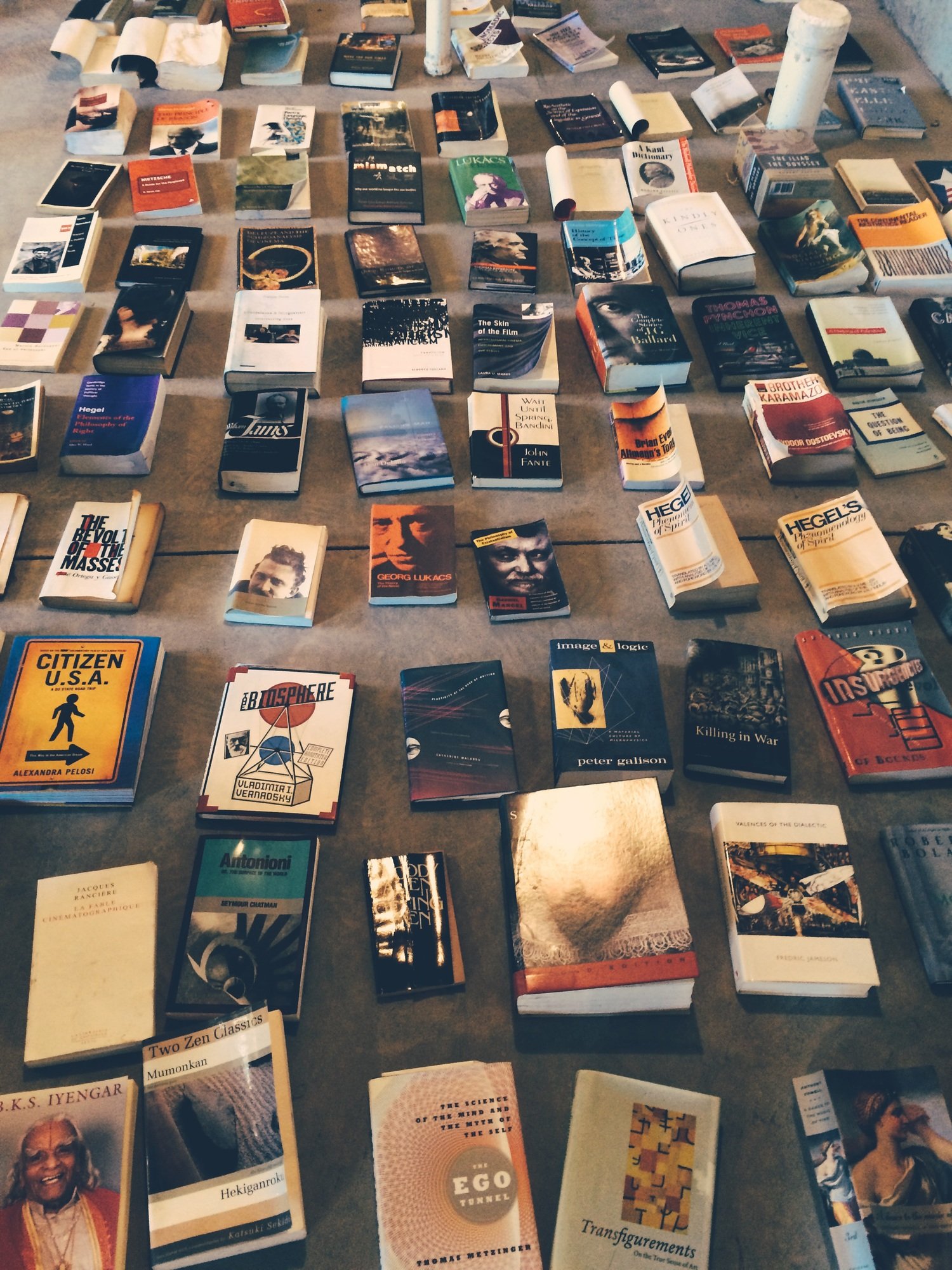
Quickly, as we took inventory of the contents, we were brought down to size, discovering our collection of books, completely immersed in the seemingly innocuous, rising water. The cardboard boxes, neatly, alphabetically stacked against the concrete wall, twenty x three, or maybe more, steadily started to succumb to the weight of the water. Hurriedly, we waded through the increasingly untenable basement, rushing to save the unaffected books, those carefully positioned atop the sturdy boxes below.
After scaling the stairs with the rescues in hand, we anxiously made our way to the bottom layer, to those boxes most heavily affected, having absorbed the burden of the water. As we opened the shrinking boxes, pealing off the top few layers of salvageable books, we apprehensively made our way to the list of authors, whose titles were now soiled beyond respite.
We recited aloud the names of those who never deserved their books to meet such lack of providence, perhaps despite their intentions to the contrary.
“Nabakov, Miller, Perec…”
“All of Nabakov? Even Lolita?”
“Yes, even Lolita.”
Muttering to the cadence of the work:
“The…light of my life, fire of my loins. My sin, my soul. Lo-lee-ta: the tip of the tongue taking a trip of three steps down the palate to tap, at three, on the teeth. Lo. Lee. Ta.”
I distinctly remember an adjunct philosophy professor at Lehigh University, where I completed my undergraduate, who had returned home from a day of lectures to find his second-floor apartment ablaze. His only real concern, as he later relayed, was the state of his books. Had they all been burned? Could any of them be saved? Understandably, he was beside himself, watching his life’s work catch fire.
In an act of resistance, he showed up the very next day with a seared copy of Illuminations in his hands. He hadn’t slept, let alone showered or changed his clothes. Soot was everywhere. In his hair, on his briefcase. As he carefully turned the page, trying to stay focused on the task at hand, which if I remember correctly was teaching the "Work of Art in the Age of Mechanical Reproduction", ash literally drifted off into the air.
What does it mean to lose a book? Or a library? It’s not just the physical nature of the book, the parchment and the ink. It’s not just the efforts of the author, and the import of their worlds. It’s the margins too. The underlines and circles, the points of emphasis. The notes and the conversations with the author. Even the disagreements. Those are important too.
We covet libraries, just as well as books, not just for their contents, but also for their promises. Books are memories - of places purchased, of journeys discovered, of romances consummated. They’re grand adventures that we can constantly relive. They also help us to make sense of things. Books order memories - of lived dreams, of forgotten ideas, of times yet to come.
They were in my care, these books. They were entrusted to me, as much as to history. It was my responsibility. My fidelity. There’s a sense in which I feel like I betrayed them. That I disturbed a certain order of the world-memory.
At the Library of Alexandria, it is reported that there were “books of the ships” which were sorted, cataloged, and then shelved. These books had arrived through the ports, having made the voyage across the Mediterranean sea, presumably from Greece. They had found themselves inscribed amongst a new collective. When the Library of Alexandria was destroyed, those books weren’t separated, or set out to sea. They burned with the rest of them.
Of course, we would much prefer to share our notes on how to organize a collection of books, or engage with Walter Benjamin’s excellent essay on unpacking a library. Instead, we find ourselves, reluctantly, preparing to write a eulogy to our library. Or, rather, a confession to our heroes and the books they shared with the world, despite the fires they may have incited.
It’s the one letter we never expected to have to write.
I Miss You, Madeline
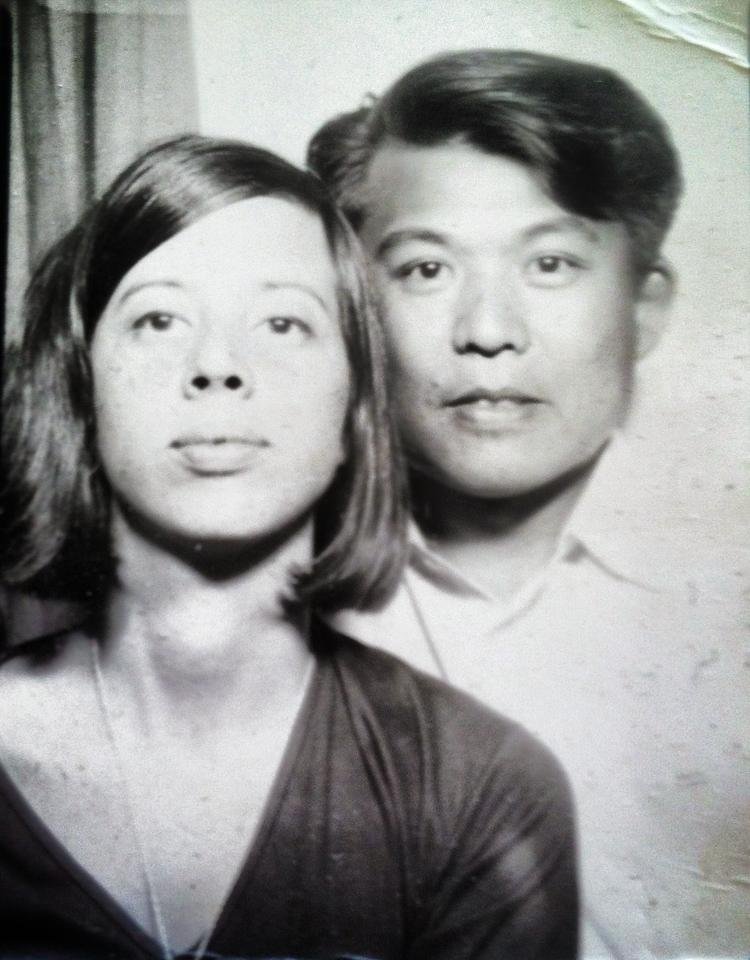
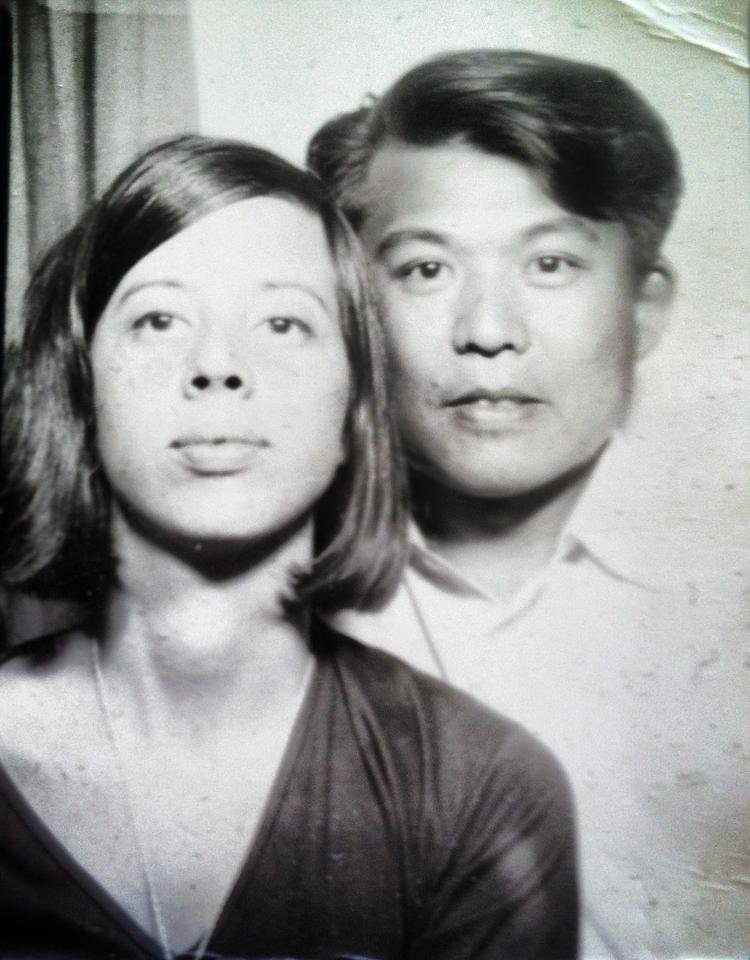
A few years ago, moments after I heard the shocking news that Arakawa had passed away, Madeline called to assuage my anxiety.
“We must keep going,” she said. "We must be strong. Arakawa is our reversible destiny hero."
Now that Madeline is gone, I keep waiting for the phone to ring. I miss her intoxicating, death-defying courage. The universe just isn't the same. Yet, I can still hear the strength and resolve in her voice and in her words: just because it's always been this way, doesn't mean that it will always be this way. I miss you, Madeline. You gave the world the confidence to believe in itself.

Why I Loved Paris
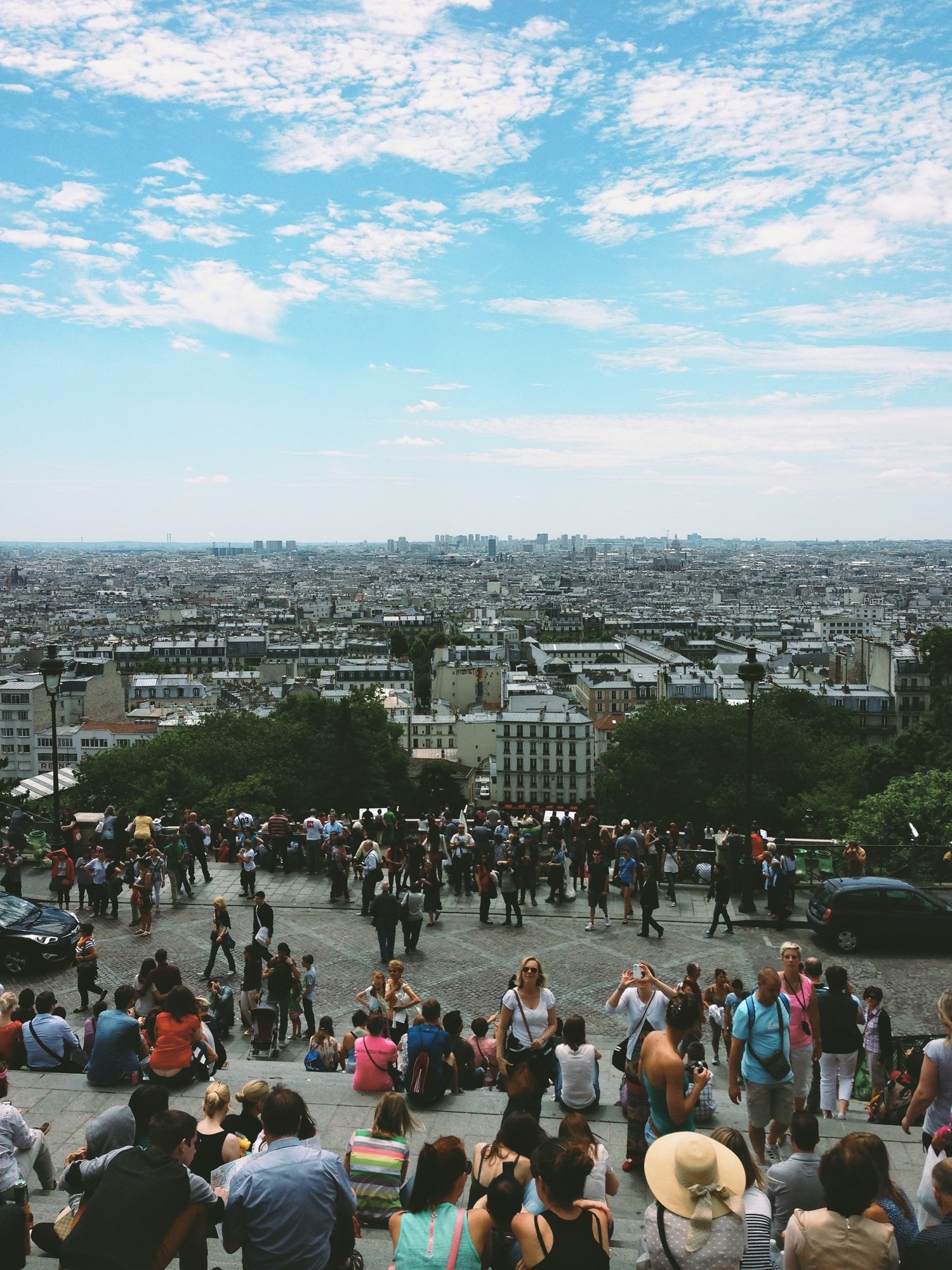
It's a curious thing, when you revisit a city for the second or third time. You somehow imagine that it'll be just the same. That nothing will have changed. It'll have the same shortcuts and smells, the same cafes and (to be sure) the flowers will be in bloom. Yet, somehow, everything is always different. Even the people.
We've just returned from a few days in Paris. It'd been at least half a decade since we last strolled the streets. On the surface of things, and as our memory serves, everything seemed just like it was before. As we looked closer, however, everything felt just a little bit mismatched. Maybe it was us, trying to escape from our busy lives, half-way committed to a hurried vacation, running around to see this or that. Or, maybe it was something else, perhaps a muted or displaced recollection. At least the Eiffel tower was just where we'd always known it to be.
Nevertheless, this time, something felt different about Paris. It wasn't just nostalgia. Which is to say, it's not that Paris isn't a constant source of inspiration, but rather that it felt like it had lost just a bit of it's glowing enthusiasm. And then we read, only today, that when Orson Welles was prompted to write an article for Vogue on his love for the city, he couldn't think of anything particular to say. The article, he quipped, should be entitled, "Why I Loved Paris". Welles goes on to explain:
"When I could walk on the sidewalk in Paris, I loved it, but now I have to climb over automobiles. Soon there won't be any real Paris left, you know. Or real London or real Rome. Because a few untouchable monuments are not gonna keep a city…I think all the cities of the world are in decline. Because the idea of supporting cities has ceased to be part of world culture. We're all moving into shopping malls…Maybe I'm just reactionary", confides Welles. "If I am, it doesn't bother me much, though. I'm perfectly content to be reactionary - to belong to my own time."
This question of the real. It haunts us still. You see, Paris is such an enchanted city. It's full of so many dreams and memories. You can't help but feel a sense of purpose and pride, a sense of excitement and despair. You're not quite sure if you're living a moment, or reliving a memory. In many respects, it feels as if you are a part of something that's just about to happen, or something that happened centuries ago. It can be very disorienting.
As we strolled down the St. Germain-des-Pres, squinting just so, we could almost see Hemingway sitting at the Brassier Lipp, enjoying a strong dry martini. Like any "good tourist", we picked up the latest edition of the Moveable Feast at Shakespeare and Co - which is, in one way or another, not quite the same since George Whitman passed away. Needless to say, the same observation was probably made when Sylvia Beach moved to the rue de l'Odeon.
We read in the introduction to the new edition of the Moveable Feast, in a lovely piece written by his grandson:
"In November 1956, the management of the Ritz Hotel in Paris convinced Ernest Hemingway to repossess two small steamer trunks that he had stored there in March 1928. The trunks contained forgotten remnants from his first years in Paris: pages of typed fiction, notebooks of material relating to The Sun Also Rises, books, newspaper clippings, and old clothes. To bring this precious cargo home […] Ernest and his wife Mary purchased a large Louis Vuitton steamer trunk. I recall as a child seeing that trunk in my godmother Mary’s apartment in New York, and I can still remember its smart leather trim with brass fittings, pervasive Louis Vuitton logo and the gold embossed initials, “EH.” The trunk itself was easily big enough for me to fit into, and it filled me with wonder at the grand, adventurous life my grandfather led."
It's such a strange thing, revisiting a city, reliving a memory. To imagine, and to truly believe that nothing will change, that the city you knew and loved so well, will somehow stay transfixed, that your heroes will still be walking around. Well, in a way, they are....
The Obligation to Write
There are so many wonderful books that inspire us to become better writers. To be sure, we all have our favorites.
Maybe it's a few lines in Italo Calvino's wonderful Six Memos for the Next Millennium; or the specificity and enchantment to be found in the sparingly beautiful paragraphs of Natalie Goldberg's Writing Down the Bones; or, further still, the magical, and at times, ineluctable stories to be discovered in the letters and conversations of Max Perkins.
One of the best, perhaps, is Bird by Bird: Some Instructions on Writing and Life, by Anne Lamott. It's so light and playful. Yet, at the same time, it's also cautious and reserved, as it methodically explores the dark and serious depths of emotion, with such adroitness and humanness. Slowly, if not daftly, it builds up our confidence to trust in the momentum it takes to meet our obligations to write. Nevertheless, for all its wizardry, and guiding light, I've remained on the look out, with an almost insatiable desire, for further furloughs into the recesses of writing. Not just how we write, but why we write.
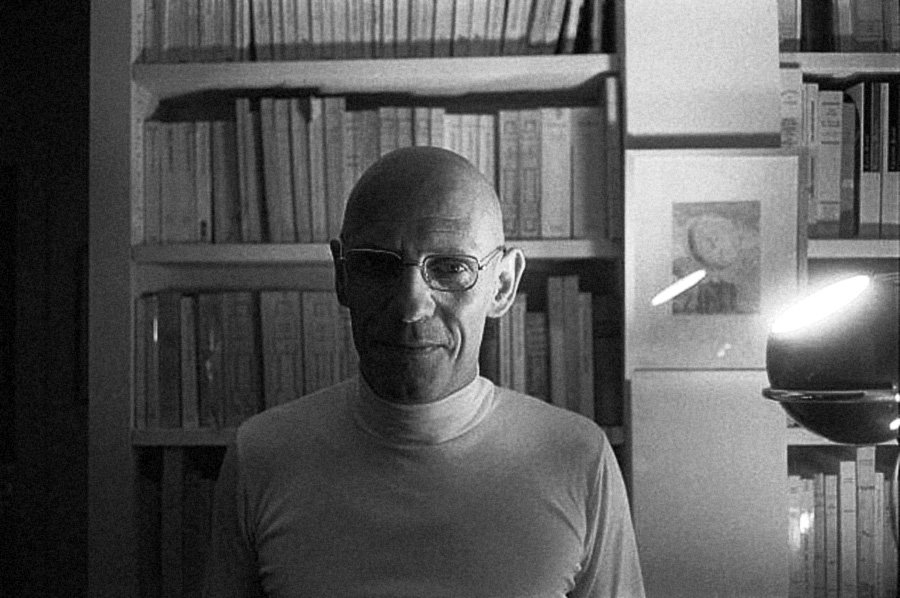
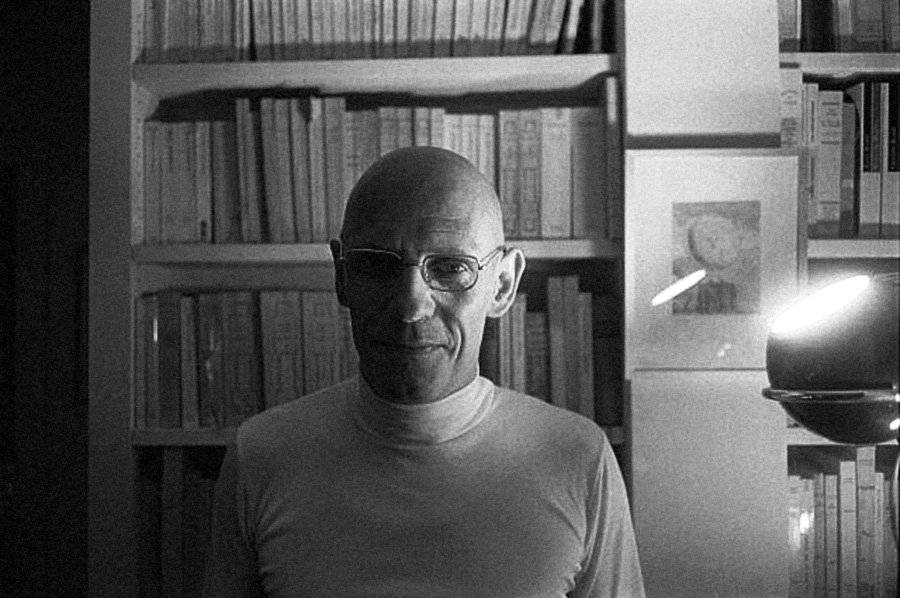
I think I found it, if but for a moment, in the interviews of Michel Foucault. In particular, in the conversations with Claude Bonnefoy, ironically translated into a text, Speech Begins After Death.
As aspiring writers, we're constantly inquiring into various methods, techniques, and styles. Why did Hemingway stand to write? Is writing in the morning, as Nietzsche confesses, the most efficacious and timely? Or, as Cioran shared, does the night, coupled with seemingly endless existential bicycle rides around a lantern-lit city, induce proficiency and thought?
In a more complex tone, we query: What is it about travel that evokes the sensation to write? Why does a journey, if it does at all, elicit a certain style or mannerism of thinking? If a line of thought is exposed, whereas it might have otherwise remained unprompted, disguised amongst our daily, habitual live - how do we solicit such encounters?
Anything to help us write more effectively, and, for most of us, more efficiently. We're eager to learn, for example, how our heroes took up this noble, and at times, inauspicious task. (I dare not say profession, at least not as an author, lest we forget Roland Barthes.) However, there also needs to be a frame of reference for "why we write", or from whence the impetus is initiated. Michel Foucault points the way.
Foucault was a great diagnostician, perhaps this is precisely where his lucid, lilted, languid prose arose - from the art and science, or the life-practice, of diagnosing, i.e.: trying to elucidate that which remains hidden. Not the desire to adorn language, but to reach the truth of that which must be said.
Here's Foucault, offering a clinical, if not philosophical, approach to drawing the contours of what a definition of writing might encompass, or rather, put into motion:
"Writing consists essentially of doing something that allows me to discover something I hadn't initially seen."
Less phenomenologically, he goes on to articulate, "When I begin to write an essay or a book, or anything, I don't really know where it's going to lead or where it'll end up or what I'm going to show. I only discover what I have to show in the actual movement of writing, as if writing specifically meant diagnosing what I had wanted to say at the very moment I begin to write." (46)
Unlike physicians, who, as Foucault explains, normally reduce language to silence, Foucault instead, attempts to identify and examine a problematic within a certain lineage of history or philosophy - through writing. In this sense, then, the pen becomes the scalpel: an instrument of exploration, no less than excision.
As Foucault states, "The physician listens, but does so to cut through the speech of the other and reach the silent truth of the body." (35) The physician speaks, therefore, only to offer a diagnosis and subsequent therapy, but language itself is restricted, bound to orders and instructions. "The surgeon discovers the lesion in the sleeping body, opens the body and sews it back up again, he operates; all this is done in silence, the absolute reduction of words." The physician, therefore, uncovers the truth of what the body speaks.
In contrast, the writer uses language to diagnose, then create or foster a type of therapeutics, personalized to the individual needs of a particular situation. Which is to say, the "activity of language", or the very act of writing itself, is precipitated, not from having "something in mind" to say, but rather, from the necessity, or obligation to write.
"When it is no longer possible to speak, we discover the secret, difficult, somewhat dangerous charm of writing." It is precisely here, on this point, that we can see Foucault's extraordinary affinity with Nietzsche, whom he describes as a great diagnostician, exerting a kind of radical, "violent therapy for the diseases of culture".
As a challenge to ourselves, or perhaps to the history of philosophy, Foucault inquires into the nature of writing, trying to examine from where the compulsion to write germinates, what it means, and in relation to what necessity it is brought on.
"One thing I feel certain of is that there's a tremendous obligation to write." As he explains,
"This obligation to write, I don't really know where it comes from. As long as we haven't started writing, it seems to be the most gratuitous, the most improbably thing, almost the most impossible, and one to which, in any case, we'll never feel bound. Then, at some point - is it the first page, the thousandth, the middle of the first book, or later? I have no idea - we realize that we're absolutely obligated to write."
There are at least two modes or states of obligation that Foucault describes. The first, is, what he calls, "a form of absolution". What this means is that through writing, the form that obligation takes reveals itself, in this instance, as the persistence to carry out the task to release yourself from the compulsion. Which is to say, to write is to absolve yourself of your duties to write. "That absolution is essential for the day's happiness. It's not the writing that's happy, it's the joy of existing that's attached to writing, which is slightly different."
The second mode of obligation, or how that obligation manifests itself, concerns the "inexhaustibility of language". There's a sense in which, as so many writers know, we're always striving to write that last sentence. "Ultimately," as Foucault states, "we always write not only to write the last book we will write, but, in some truly frenzied way - and this frenzy is present even in the most minimal gesture of writing - to write the last book in the world." Thus, in a way, we're constantly aware of the utter exhaustion that writing involves. Multiple iterations, and still, the persistence remains - just one more sentence. It'll be the last sentence.
Lastly, and most poetically, Foucault writes:
"We write to hide our face, to bury ourselves in our own writing. We write so that the life around us, alongside us, outside, far from the sheet of paper, this life that's not very funny but tiresome and filled with worry, exposed to others, is absorbed in that small rectangle of paper before our eyes and which we control. Writing is a way of trying to evacuate, through the mysterious channels of pen and ink, the substance, not just of existence, but of the body, in those minuscule marks we make on paper. To be nothing more, in terms of life, than this dead and jabbering scribbling that we've put on the white sheet o fpaper is what we dream about when we write. But we never succeed in absorbing all that teeming life in the motionless swarm of letters. Life always goes on outside the sheet of paper, continues to proliferate, keeps going, and is never pinned down to that small rectangle."
"The role of writing," says Foucault, "is essentially one of distancing and of measuring distance".
On Commas
I've recently discovered that I have a love for commas. Before working with a copy editor, I couldn't exactly articulate why. I'd never really stopped to think about it. The commas were always just there, populated with great fervor, highlighting interludes as much as rocket launches.
For whatever reason, I've always been fond of the curvature of the comma. It's ever so slight and promising. They just hang there. You're not exactly sure what will come next. Will there be a pause, and then a continuation? Or, will a new trajectory be put into motion? Where will it lead? There's great pleasure to be found in the moments a comma affords.
It has come to my attention that I often get carried away with using commas. When I read my own writing, which I rarely do, commas always seem to be present. Sometimes they're inserted like carefully placed railroad spikes holding down the tracks. While, at other times, I can sense they're about to derail the train, and the trains to come.
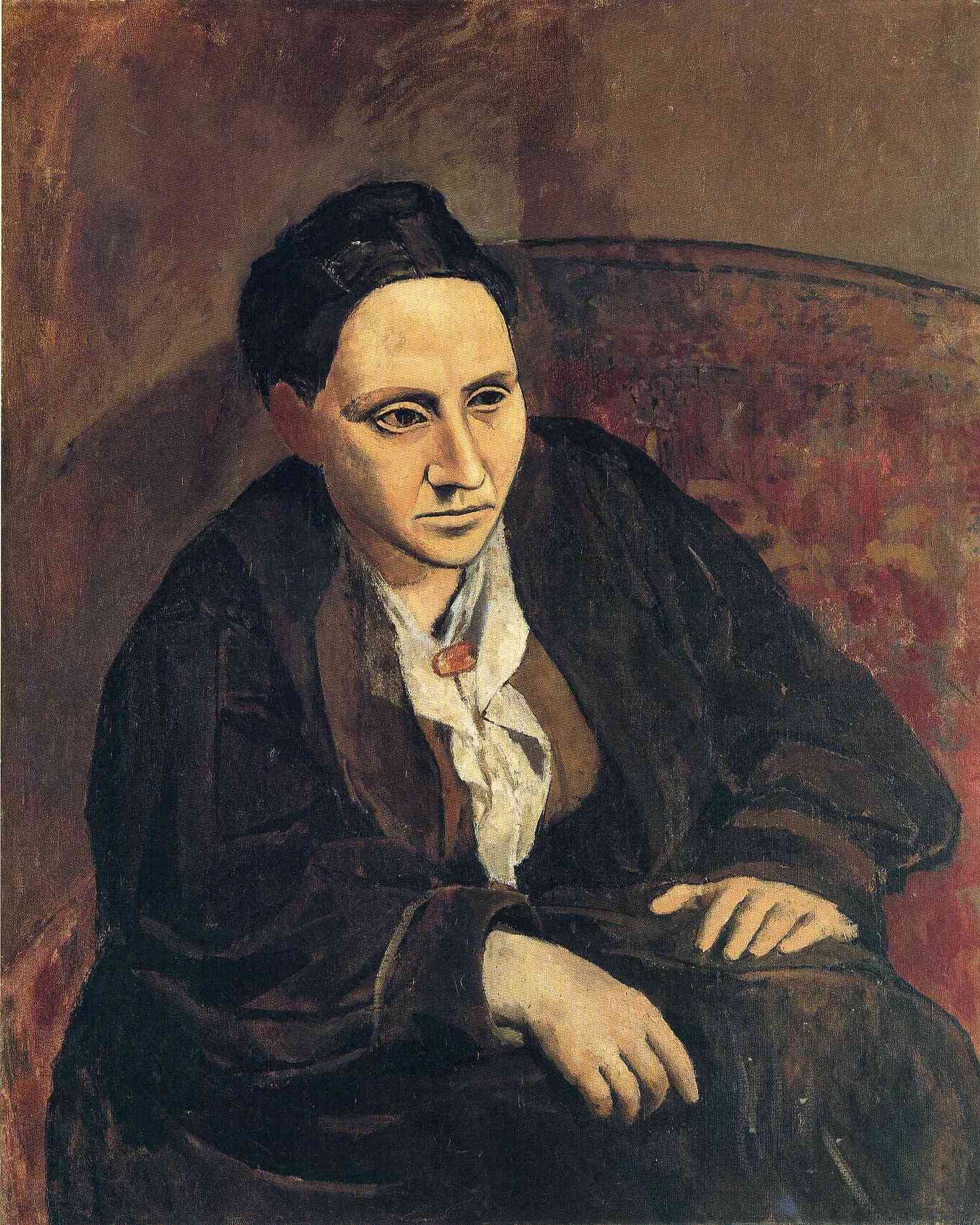
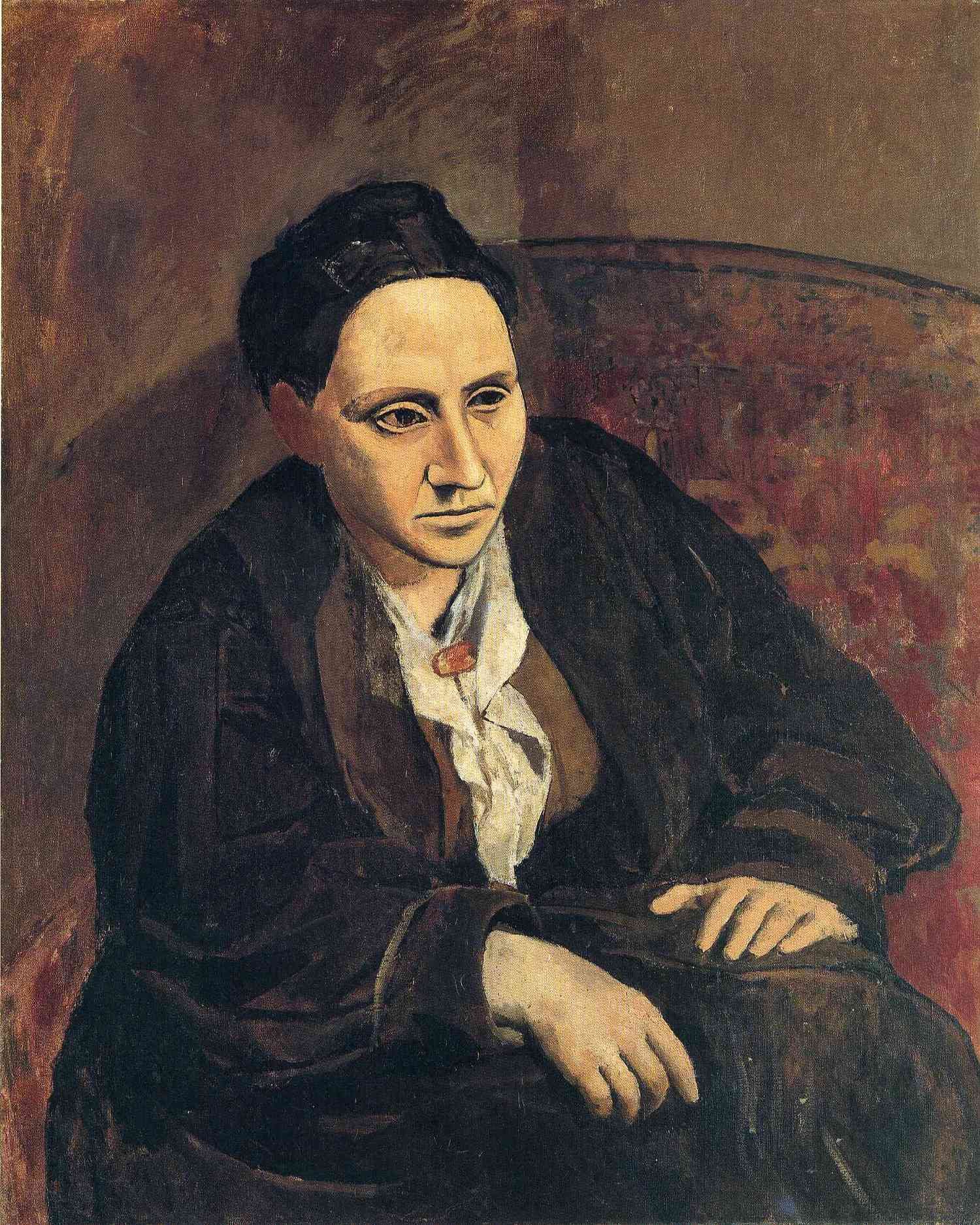
From Tender Buttons, Gertrude Stein Writes:
"Out of kindness comes redness and out of rudeness comes rapid same question, out of an eye comes research, out of selection comes painful cattle. So then the order is that a white way of being round is something suggesting a pin and is it disappointing, it is not, it is so rudimentary to be analysed and see a fine substance strangely, it is so earnest to have a green point not to red but to point again."
After reading this passage from Gertrude Stein, I'm led to believe that without developing an appreciation for commas, it's very difficult to read her work in more than a cursory sense. Which is to say that she employs commas in such magnificent, unexpected ways. She leaves you completely puzzled, but also full of just enough oxygen to try to figure out the riddle.
It's such a profound experience when you encounter a comma in Gertrude Stein. It's like greeting a comet with a wave, as it sparks across the effervescent sky. From red to green, to red again. She cajoles us along! Gertrude Stein is such a masterful writer. Of course, some people find her difficult to read.
Writing doesn't come easy for me. It's a very arduous, cumbersome process. As so many others have expressed: sometimes writing just flows, while at other times, it's like banging your head against the wall. As Deleuze inspires, sometimes you just gotta keep banging.
After some reflection, I've come to realize that I employ commas, not out of any grammatical forethought, but that they help me to pace my thought. I figure things out as I write. Not before I write. Clearly, this gets me into some troubled waters. Good thing commas help us breath.
* I strongly recommend that you listen to Gordon Bearn's presentation on Comma, Living.
Nothing Can Replace Painting
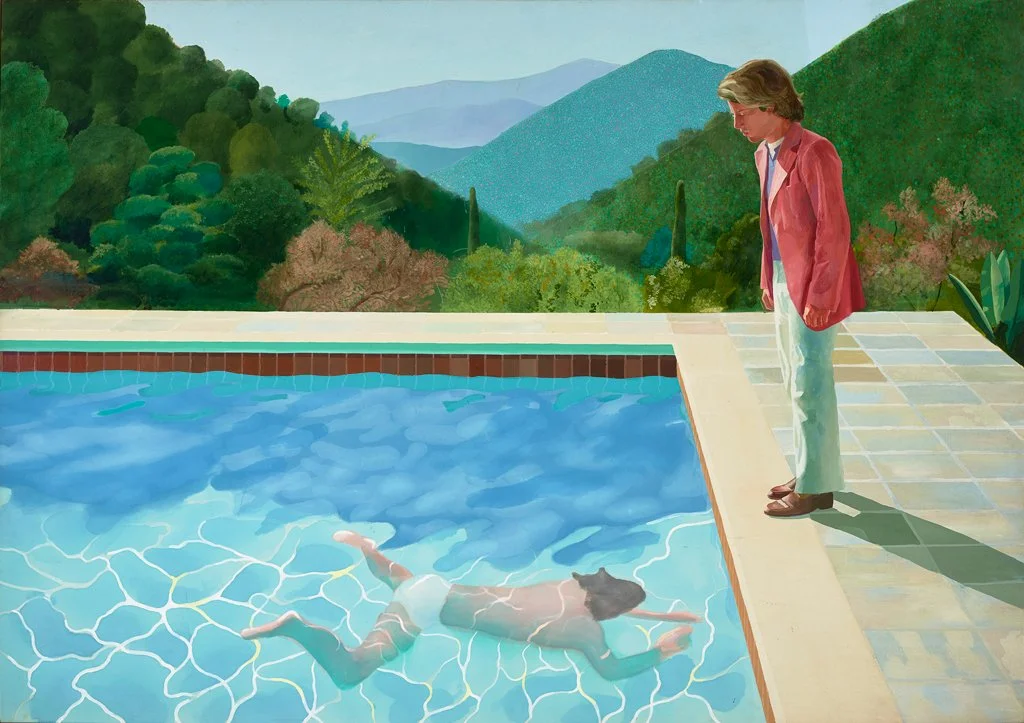
David Hockney - Portrait of an Artist (Pool with Two Figures).
I've been reading a fair amount of interviews with David Hockney. I find them so ripe and resplendent with observations and insights. They're almost like viewing one of his landscapes. As soon as you discover one layer, a color or posture leads you to another previously unexplored depth. There's so much wonder and vastness in his work. It's as if you'll never be able to finish looking, let alone finish the conversation.
Unsurprisingly, perhaps, David Hockney has sufficiently devastating remarks to make on the nature of photography. His comments are aimed directly at the totality of vision that photography lays purchase to: primarily that photography is omniscient. As he states, "Photography likes to claim that it is just putting reality in front of us. But that's obviously not the case." What Hockney goes on to lament, but only just so, is that from the start, the authenticity of photography has been called into question.
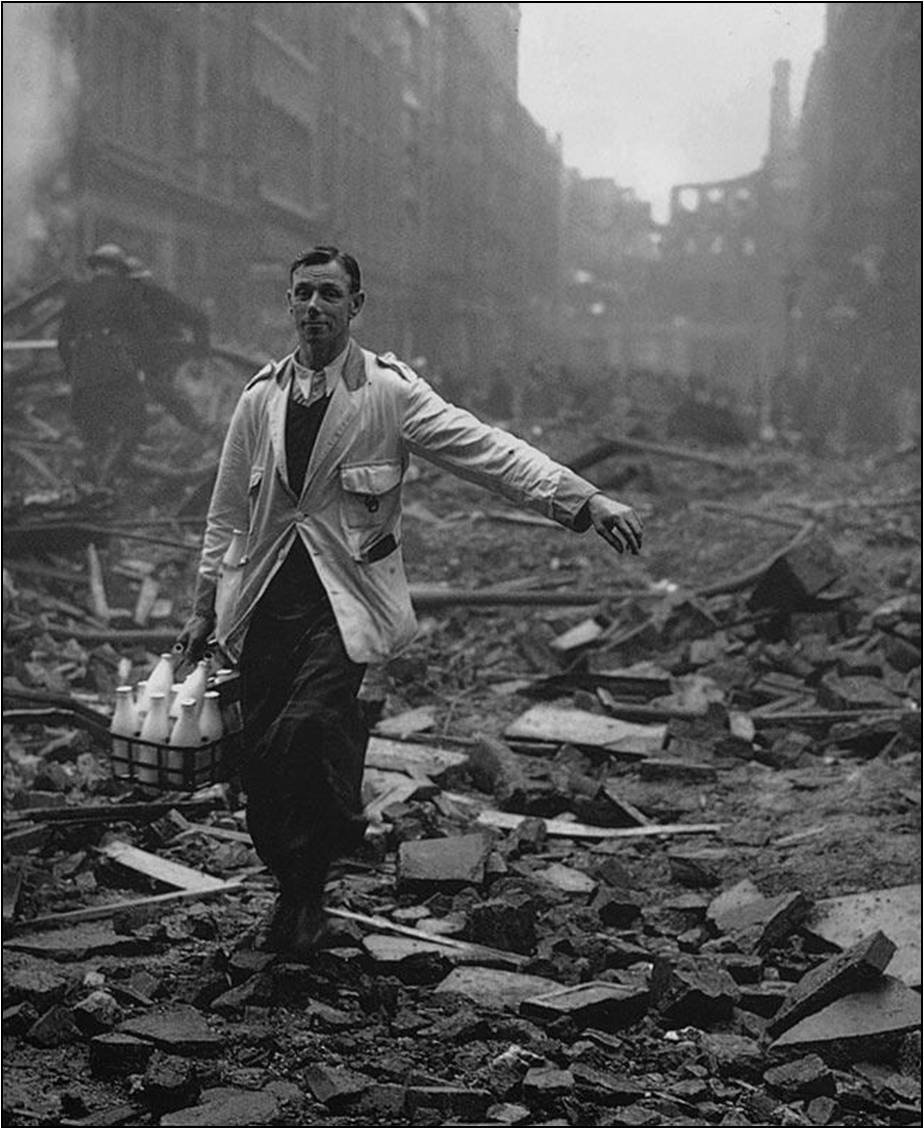
As Hockney explains, "There's a famous shot of bombed-out London the morning after a raid. There's a milkman walking over the ruins. It was made in 1941 to tell people to keep calm and carry on. But he wasn't a milkman: he was the photographer's assistant, he'd just put on a coat. You could say it was faked, but at the time it was doing a job of work: it was saying 'Carry on'. If it were a painting, you wouldn't worry about whether it was a real milkman who was the model."
The point, then, is not that photography is a performance. Of course that is an acceptable style, or mode of presentation. Instead, the point is that photography tends to lend the impression that it has a special claim to reality. That photography, as a matter of fact, represents, or is able to capture, the truth.
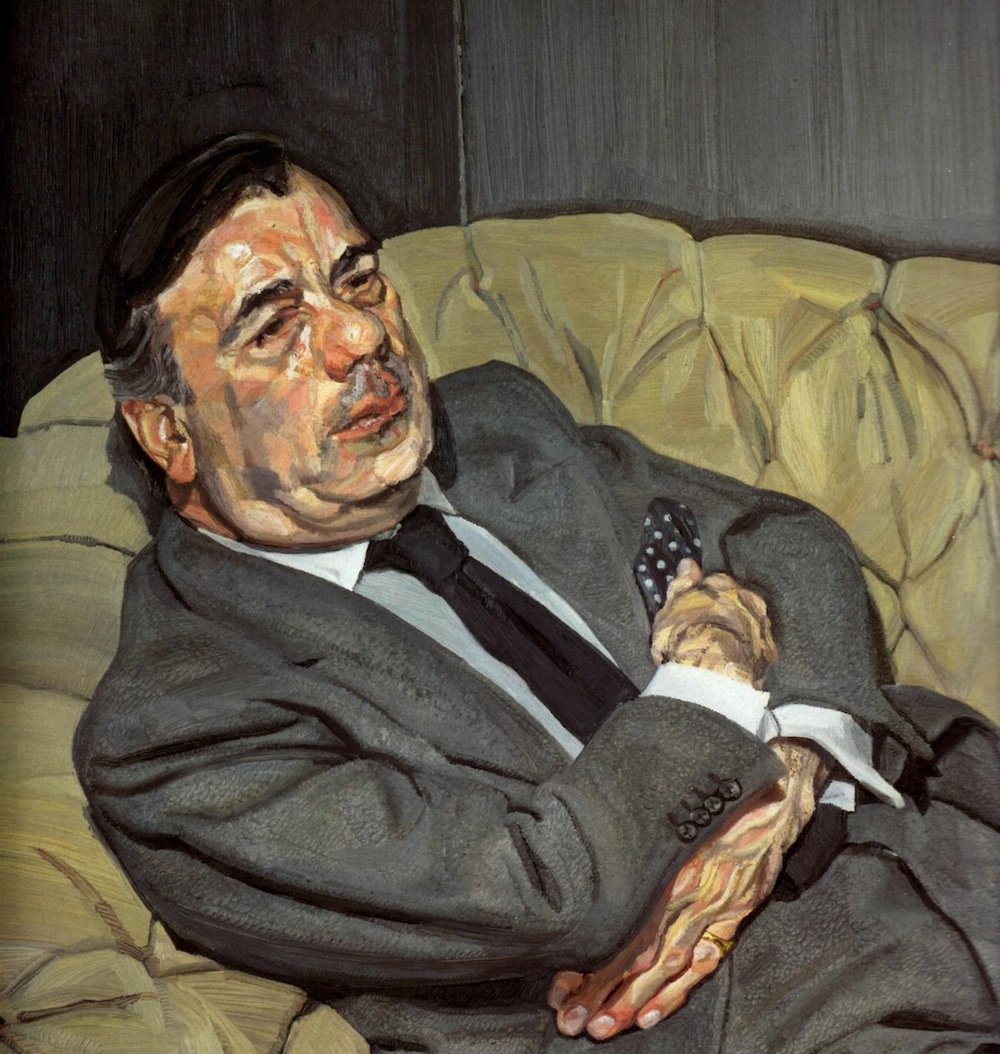
Needless to say, nothing could be further from the paintings of David Hockney. This is precisely why Hockney claims that the portraits of Lucian Freud are, in his own words, "as good of portraits as done by anybody." They manage to portray reality, in a way that photography cannot: with a stunning sense and degree of acuity. In this respect, then, people are as much landscapes for Freud, as Woldgate is a portrait for David Hockney: they are virtually, infinitely explorable.
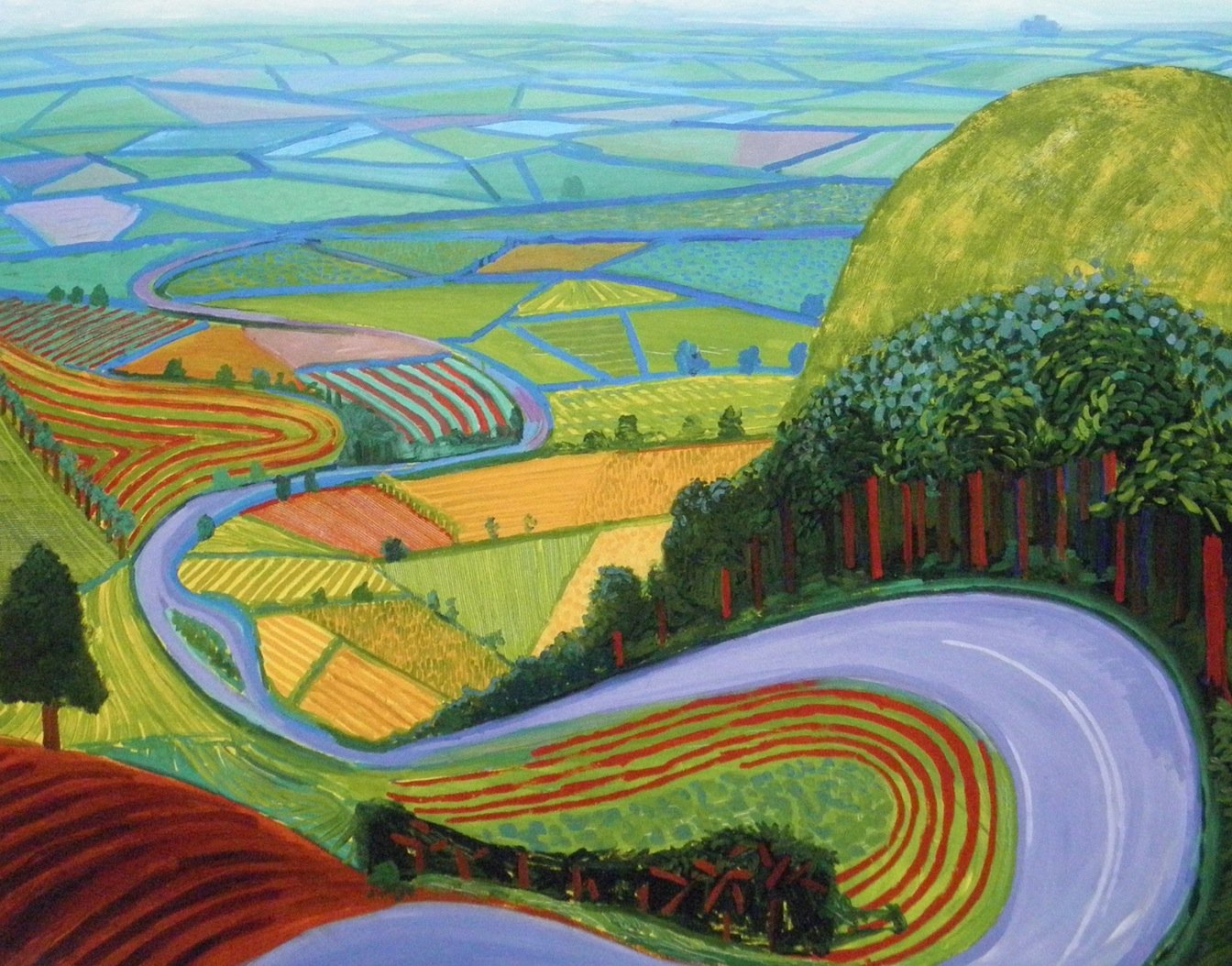
Hockney, to be sure, spent time working with photography, while Freud focused solely on painting, which leads him to express: "We are moving out of what we thought photography was and back to painting." Photography, therefore, increasingly loses its claim to the type of vision and veracity that painting constantly endures and provides. Still, Hockney suggests, "people believe that photography catches reality. It's catching a bit of it, but not that much of it."
Imagine, for instance, standing before a magnificently arresting sunset. You're instantly paralyzed. Your eyes struggle to find a place to rest, as they traverse across the sky. Within seconds, you're enfolded in a matrix of unexpectedly vivid and penetrating colors. Helplessly, you anxiously attempt to further immerse yourself in the abundance of this ephemeral moment. It's just so beautiful. You want it to last forever. You want to bathe in the vast swathes of light. Yet, and despite your best efforts, you begin to feel the radiance of the sun as it starts to position itself to set. Its strength, while constant, is somehow fleeting. "One more moment", you plead. You snap a photo in the hopes of later reliving this moment, but the photo will only later betray your vision.
Interestingly enough, Henri Cartier-Bresson, unarguably one of the greatest photographers of the mid-twentieth century, gave up photography in the last few decades of his life, and turned to drawing. David Hockney makes a wonderful observation on this decision: "He was the master of that period: a fantastic eye. He began when Leica was invented, and he gave it up a little before Photoshop was invented. His roles - don't crop the picture, for example - would be incomprehensible to a young twenty-first-century photographer. You couldn't have a Cartier-Bresson again, because you would never believe it. Today it would be artificial."
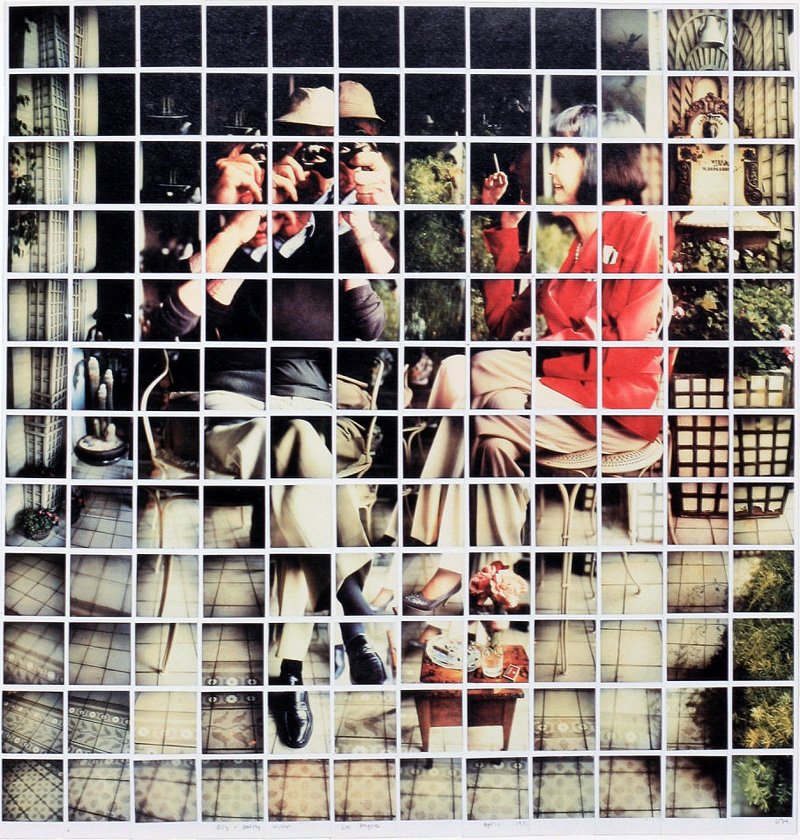
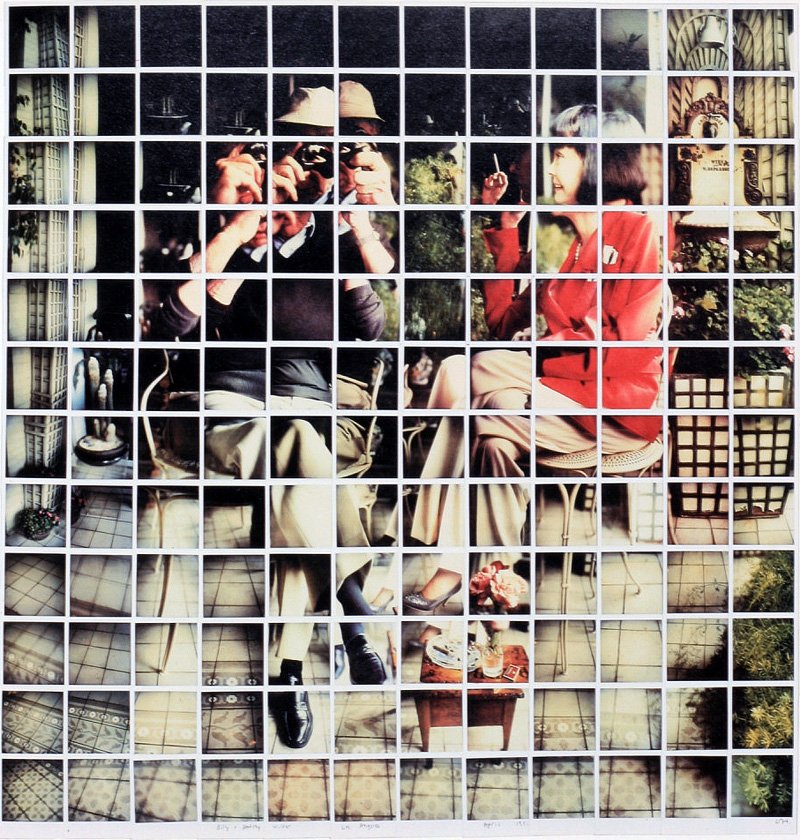
When you view a Hockney photo collage, you can feel him trying to slowly, almost methodically, put the pieces together. He's trying to work out, at least on stage, what exactly photography means for the history of art. Polaroid by polaroid, you can feel him strenuously attempting to overcome our cultural attraction to, and misperceptions of, photography. "Most people feel that the world looks like the photograph," explains Hockney. "I've always assumed that the photograph is nearly right, but that little bit by which it misses makes it miss by a mile. This is what I grope at."

Meagan Bennett
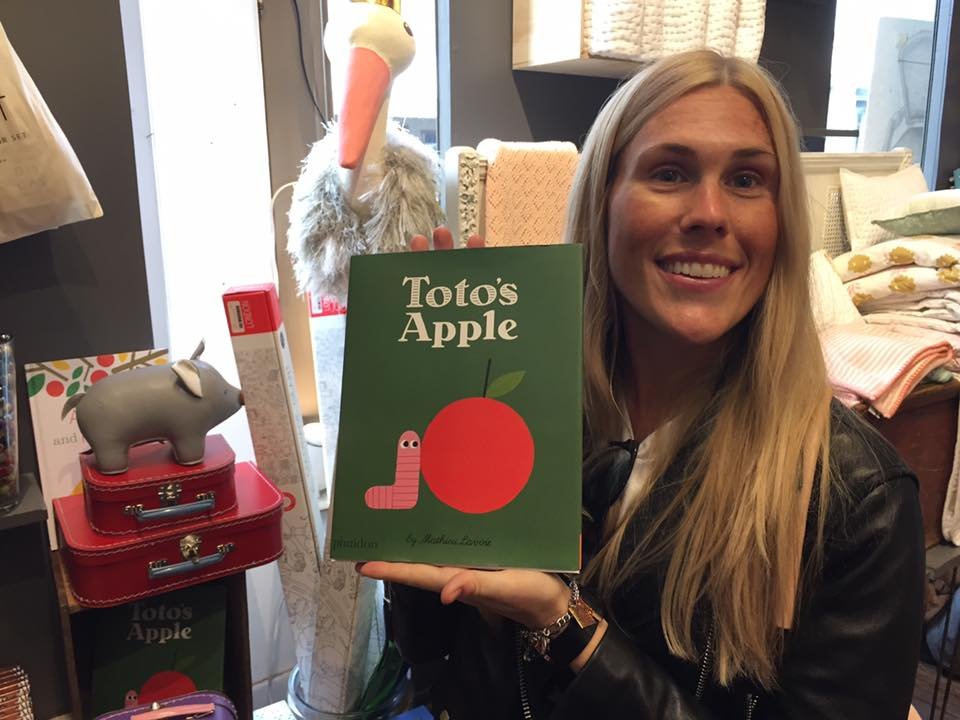
Meet Meagan Bennett, designer at Abrams Appleseed.
"Well I do declare," that Meagan is the type of person that defines her work by her life. Which is to say, that she is one of those rare individuals that is constantly striving to make her life a work of art. You see, for her, it's not about the product, so much as the "creative process that intuitively reflects a childlike sensibility". If the process is adequately constructed and diagrammatically mapped out, then the product is but the expression of those intuitions and sensibilities. You have to trust your selves. Or, in her enticing words, "this open-ended definition of self (as the possibility for transformation) is something that I try to emulate on a daily basis". Nothing is ever a "done deal", until it finally is...but 'is' is not a word that Meagan enjoys, at least not on the surface. She'd rather follow the path of the 'and', of conjunctions and disjunctions, inventing the rhythm as she creates her own lines of flight.
In a terribly unformuliac structure (read positively), Meagan inspires four practically possible practices. Now, that was a tongue twister: 1) Exhibit Fearlessly Curiosity 2) Rediscover a Sense of Wonder 3) Make Non-Linear Connections 4) Be Passionate. As she explains, "while this process is not rocket science, these are immeasurably important practices that are easily lost as we move further away from childhood". In childhood, and later as adults, "true creativity lies outside" this tripartite zone of fear, disapproval and absence. (Picture a scary inveigling triangle.) How to combat this? Through the perspective of a child. "If we approach our lives from a child's point of view, we can widen our thoughts, remove the barriers we've created, and, in turn, glean inspiration from the most unexpected places."
"Curiosity is not a byproduct of the luxury of childhood leisure; it's a necessity for creativity." If anything, this post was written as a love letter, as an ode to that form of creativity: to life, to work, to an ethic of inspiration and imagination. Meagan's beauty, which is radiant and electric, can be found in each of her carefully crafted and executed decisions, and in the sense of community and curiosity that she imparts, by her candidly unique expressions. As she reminds us, "Curiosity and awareness encourage spontaneity and improvisation, which results in a fluid creative process." Creativity is nothing if but the expressions of love blossoming. And, I feel her love...and I know you do too!